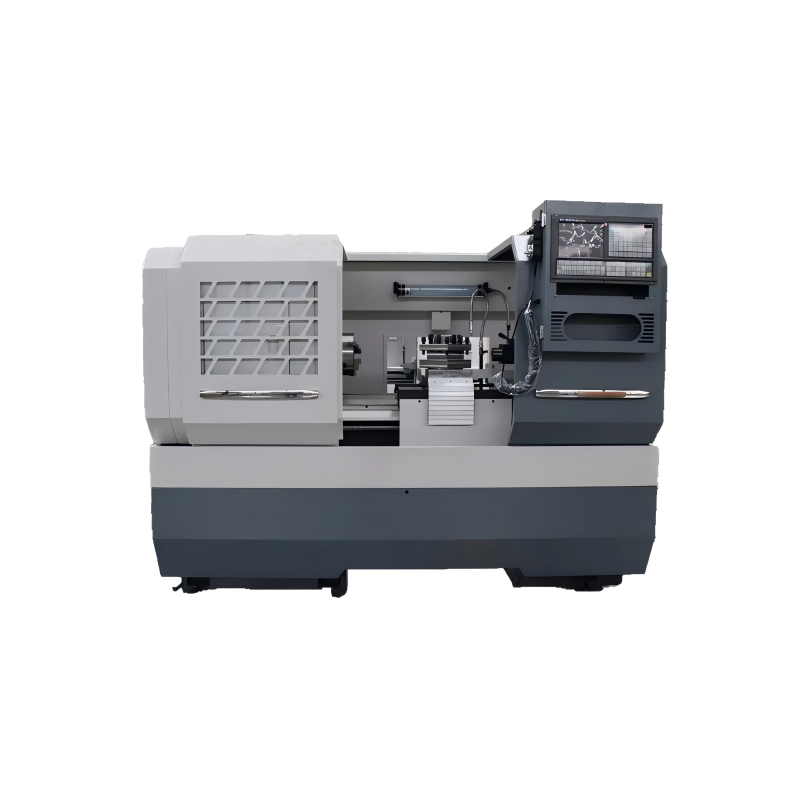
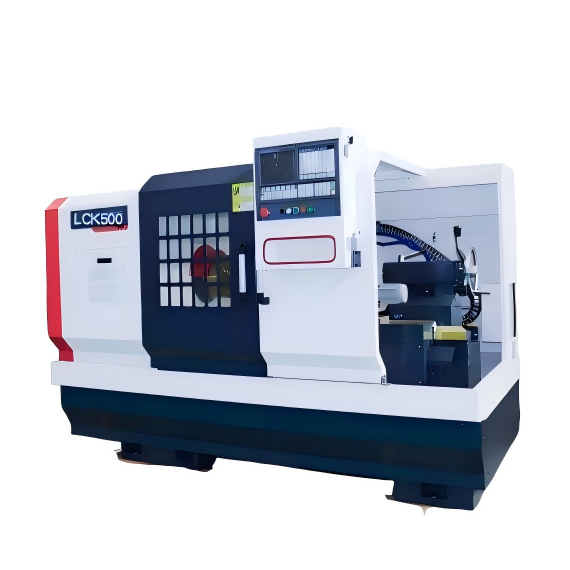
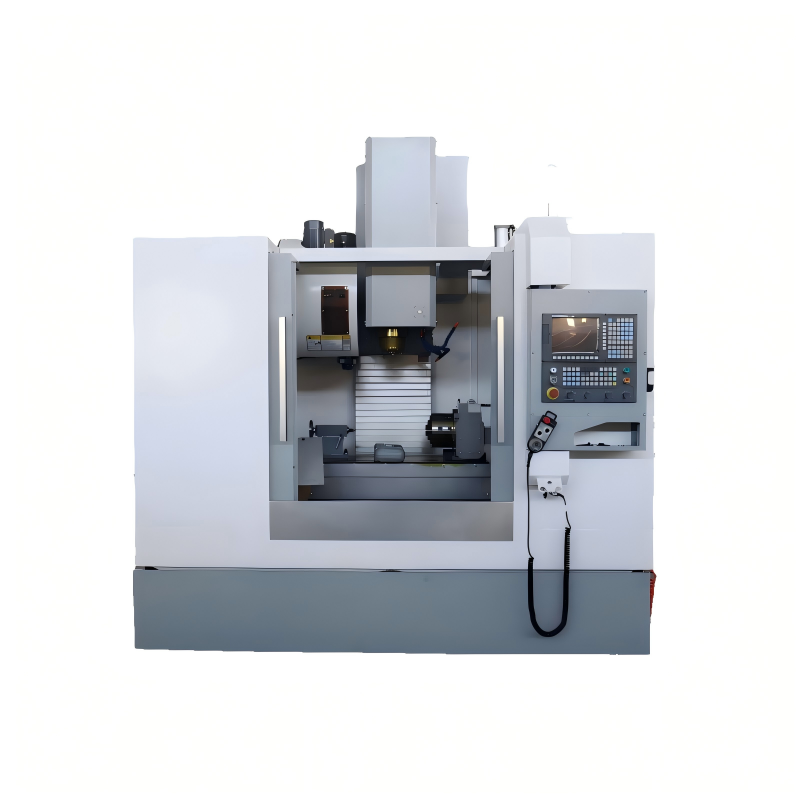
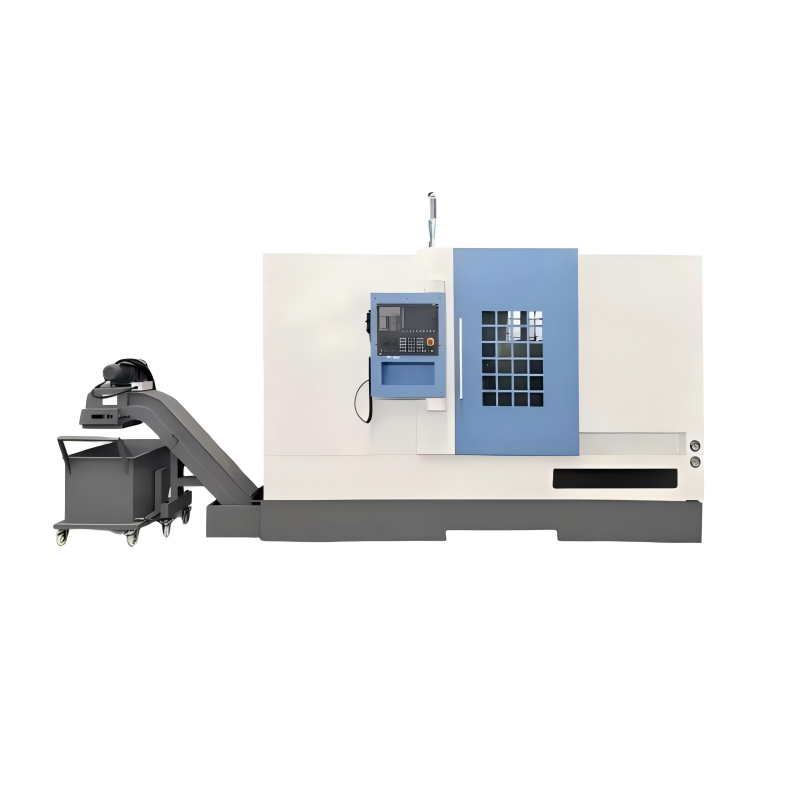
With the rapid development of manufacturing technologies, precision and efficiency have become key factors in determining a company's competitiveness. In this context, the CNC (Computer Numerical Control) lathe has emerged as an indispensable tool for achieving high-precision machining. This report focuses on the advancements and benefits of high-precision horizontal CNC Lathes made in China, highlighting their role in enhancing manufacturing efficiency.
The evolution of CNC technology has been marked by significant improvements in both hardware and software. Modern CNC lathes are equipped with advanced control systems that allow for precise and consistent machining. These systems can handle complex operations with ease, thanks to their ability to interpret and execute detailed instructions. The integration of real-time monitoring and feedback mechanisms ensures that any deviations from the desired specifications are immediately corrected, thereby maintaining the highest level of accuracy.
High-precision horizontal CNC lathes, in particular, have seen remarkable advancements. These machines are designed to handle a wide range of materials, from metals to plastics, with exceptional precision. The use of high-quality components, such as linear guides and ball screws, contributes to the overall stability and accuracy of the machine. Additionally, the incorporation of advanced features like automatic tool changers and multi-axis capabilities allows for more efficient and versatile machining processes.
One of the primary advantages of using high-precision horizontal CNC lathes is the significant enhancement in manufacturing efficiency. These machines are capable of performing multiple operations in a single setup, reducing the need for manual intervention and minimizing downtime. The ability to automate the machining process not only speeds up production but also reduces the likelihood of human error, resulting in higher quality products.
Furthermore, the use of advanced software and programming techniques allows for the optimization of machining parameters. This includes the selection of the most efficient cutting speeds, feed rates, and tool paths. By fine-tuning these parameters, manufacturers can achieve optimal performance, leading to reduced cycle times and increased throughput. The integration of simulation tools also enables operators to test and validate machining programs before actual production, further enhancing efficiency and reducing the risk of errors.
While the initial investment in high-precision horizontal CNC lathes may be higher compared to traditional machining methods, the long-term cost savings and sustainability benefits make them a worthwhile investment. These machines are designed for durability and longevity, with robust construction and high-quality components that ensure minimal maintenance and extended operational life. This translates into lower operating costs over time, as well as reduced waste and rework.
Moreover, the precision and consistency of CNC machining contribute to the reduction of material waste. By optimizing the machining process, manufacturers can achieve higher yields and minimize the amount of scrap material generated. This not only reduces costs but also aligns with sustainable manufacturing practices, as it minimizes the environmental impact of the production process.
The advent of Industry 4.0 has brought about a new era of smart manufacturing, and high-precision horizontal CNC lathes are at the forefront of this transformation. These machines are increasingly being integrated with advanced technologies such as the Internet of Things (IoT), artificial intelligence (AI), and machine learning (ML). This integration enables real-time data collection, analysis, and decision-making, leading to more intelligent and adaptive manufacturing processes.
For example, IoT sensors can monitor the condition of the machine and its components, providing predictive maintenance insights. This proactive approach helps to prevent unexpected breakdowns and extends the lifespan of the equipment. AI and ML algorithms can analyze historical and real-time data to optimize machining parameters, predict potential issues, and improve overall productivity. The result is a more efficient, responsive, and resilient manufacturing environment.
The high-precision horizontal CNC lathe made in China represents a significant advancement in manufacturing technology. These machines offer unparalleled precision, efficiency, and versatility, making them an essential tool for modern manufacturing. By leveraging the latest advancements in CNC technology, manufacturers can achieve higher levels of productivity, reduce costs, and contribute to sustainable practices. As the industry continues to evolve, the integration of these lathes with Industry 4.0 technologies will further enhance their capabilities, driving the future of smart manufacturing.
 16/06/2026
With the rapid advancements in manufacturing technologies, the adoption of efficient and versatile machinery has become a necessity for businesses aiming to stay competitive. One such piece of equipment that stands out is the Horizontal CNC lathe with gan
Read More15/06/2026Introduction to CK61100 in CNC Precision EngineeringThe CK61100, a high-precision CNC (Computer Numerical Control) lathe, stands out as a pivotal tool in modern manufacturing. Designed for heavy-duty cutting and high-precision machining, the CK61100 is ca
Read More15/06/2026In the realm of manufacturing, the advancement of Computer Numerical Control (CNC) technology has opened up new horizons for design and production. This report delves into the capabilities of CNC in handling complex design projects, exploring how it trans
Read More01/06/2026With the rapid advancement in technology, Computer Numerical Control (CNC) has emerged as a transformative force in the woodworking industry. This report delves into how CNC technology is reshaping modern woodworking techniques, offering unparalleled prec
Read More31/05/2026Introduction to CNC InnovationsThe continuous evolution of Computer Numerical Control (CNC) technology has been a driving force behind the advancement in manufacturing processes, enhancing both efficiency and accuracy. As industries increasingly seek more
Read More30/05/2026When it comes to manufacturing, the choice of machinery can significantly impact the efficiency and quality of your projects. One such critical piece of equipment is the CNC (Computer Numerical Control) machine, which has become indispensable in modern in
Read More29/05/2026The automotive industry, a cornerstone of modern manufacturing, has been undergoing significant transformations driven by technological advancements. One such innovation that is reshaping the sector's landscape is Computer Numerical Control (CNC) technolo
Read More28/05/2026CNC Machining: The Future of Precision Manufacturing is a topic that has garnered significant attention in the industrial and manufacturing sectors. As technology continues to advance, Computer Numerical Control (CNC) machining stands out as a critical co
Read MoreOur professional sales team is always ready to assist you.