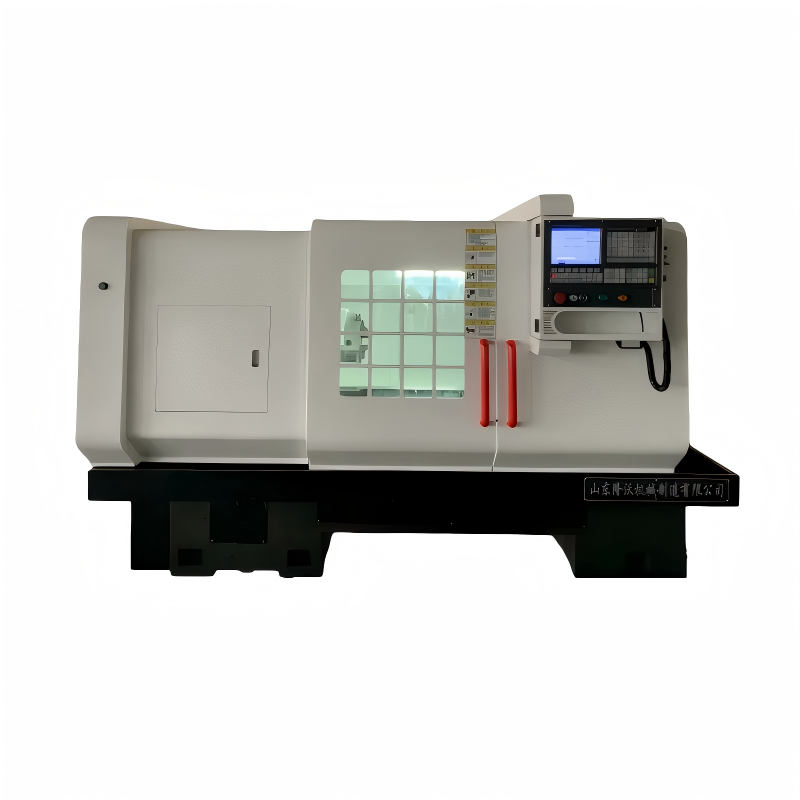
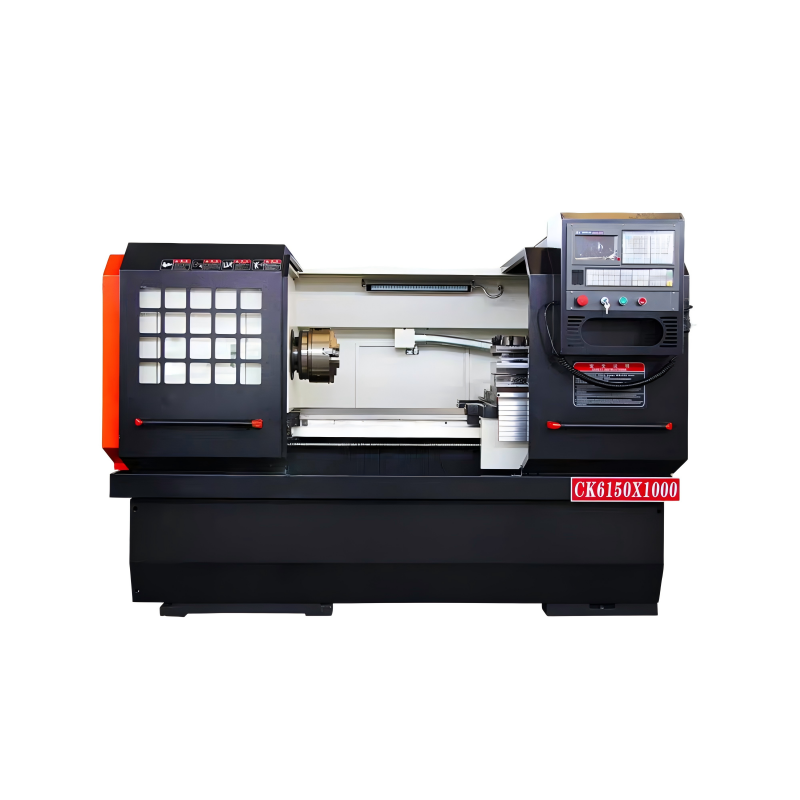
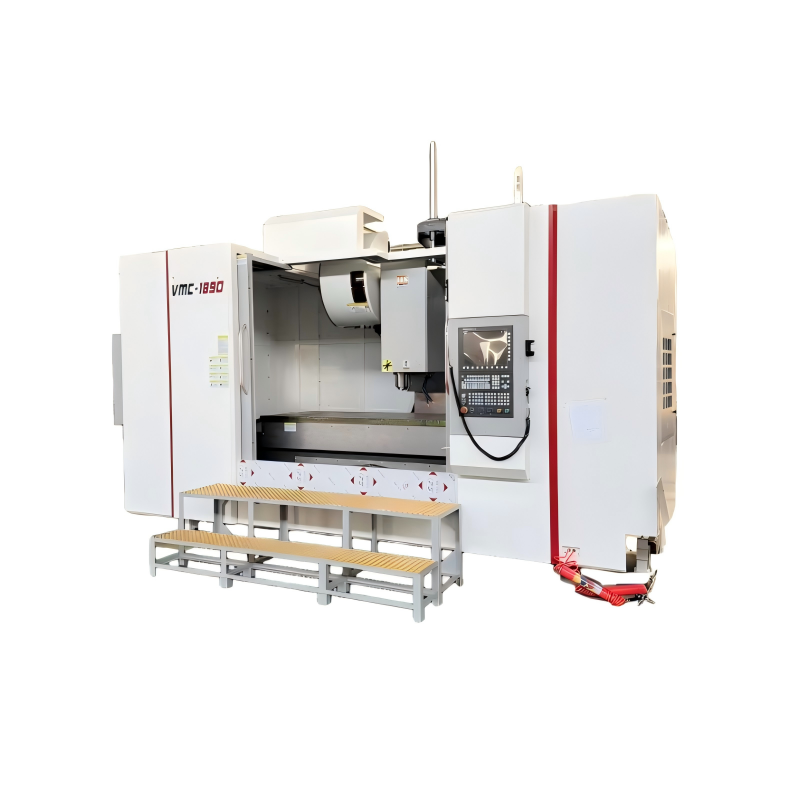
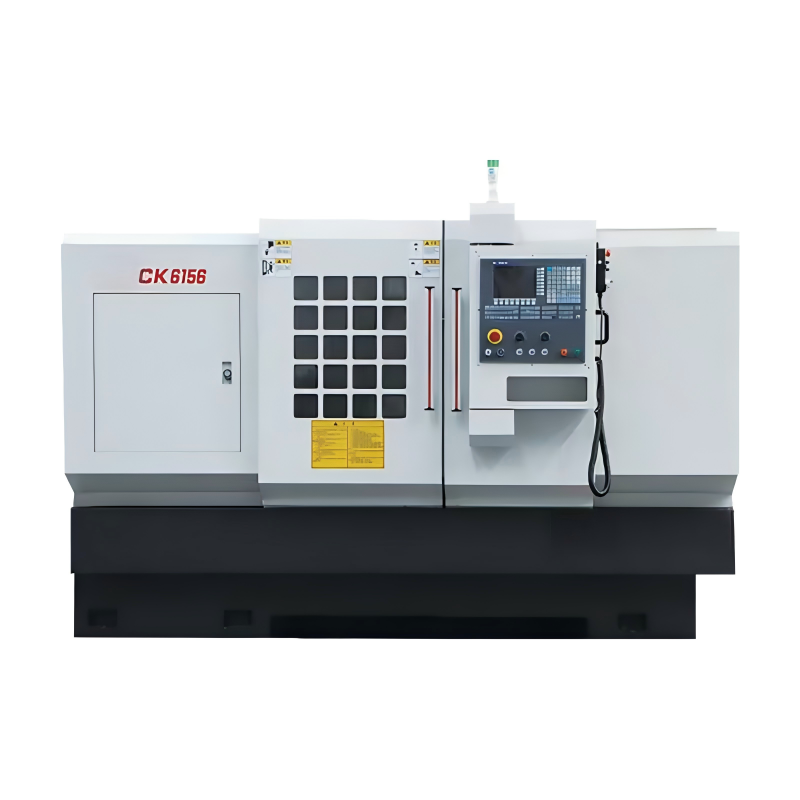
When it comes to outfitting a workshop with the right machinery, choosing a Small VMC (Vertical Machining Center) is a critical decision. These machines are not only versatile but also essential for precision work in various industries, from automotive parts manufacturing to custom metal fabrication. However, with a plethora of options available on the market, identifying the Essential Features to Look for in a Small VMC for Your Workshop can be quite challenging. This guide aims to demystify this process by highlighting key features that make a significant difference in performance, efficiency, and overall value.
One of the first considerations when selecting a Small VMC for your workshop is the machine's size and footprint. Workshops often have limited space, making compactness a crucial factor. A well-designed Small VMC should offer a balance between its working envelope and the physical space it occupies. Ideally, the machine should provide ample workspace for handling a variety of materials and components without overwhelming the available floor area. Additionally, consider the ease of access around the machine for maintenance and operation. Machines with ergonomic designs, such as front-loading tool changers and easily accessible control panels, can significantly enhance the workflow and reduce downtime.
At the heart of any machining operation lies the need for accuracy and precision. For a Small VMC, these attributes are even more critical due to the nature of the tasks they perform, which often involve intricate and detailed work. Key factors to look for include the machine’s positioning accuracy, repeatability, and thermal stability. Positioning accuracy refers to how closely the machine can move to a specified point, while repeatability ensures that the machine can consistently return to the same position. Thermal stability, on the other hand, is the machine’s ability to maintain consistent performance despite changes in temperature, which can be a significant issue in workshops with varying environmental conditions. Advanced features like linear scales, high-precision ball screws, and robust cooling systems can greatly enhance these aspects, ensuring that your Small VMC delivers reliable and precise results every time.
The spindle is the powerhouse of any VMC, and its performance directly impacts the quality and speed of the machining process. When evaluating a Small VMC, pay close attention to the spindle’s power, speed, and torque. A higher spindle speed allows for faster material removal rates and smoother surface finishes, particularly important for hard materials or fine details. Additionally, the spindle’s power and torque determine its ability to handle tough cutting operations without compromising on precision. Tooling capabilities are equally important. Look for a VMC with a robust and versatile tool changer, capable of holding a wide range of tools and quickly switching between them. This not only increases productivity but also allows for more complex and diverse machining operations. Features like automatic tool measurement and compensation further enhance the machine’s versatility and accuracy.
The control system and user interface of a Small VMC play a pivotal role in the overall usability and efficiency of the machine. A modern, intuitive control system can significantly reduce the learning curve for new operators and streamline the programming and setup processes. Look for a VMC with a user-friendly CNC (Computer Numerical Control) system that offers advanced features such as conversational programming, which allows operators to create programs using simple, plain-language commands. This is particularly useful for small workshops where operators may not have extensive programming experience. Additionally, a touch-screen interface can make navigation and operation more straightforward, reducing the risk of errors and improving productivity. Compatibility with popular CAD/CAM software is also a plus, as it allows for seamless integration into existing design and manufacturing workflows.
Investing in a Small VMC is a significant financial commitment, and ensuring the machine’s long-term reliability is paramount. Regular maintenance and timely support are key to keeping the VMC running smoothly and minimizing downtime. When selecting a VMC, consider the manufacturer’s reputation for service and support. Look for a company that offers comprehensive maintenance plans, including regular inspections, part replacements, and software updates. Additionally, check if the manufacturer provides training for operators and maintenance personnel, as this can greatly enhance the machine’s performance and longevity. Access to a network of local service centers and a responsive technical support team can also be invaluable in addressing any issues that may arise, ensuring that your Small VMC remains a productive and reliable asset in your workshop.
In conclusion, selecting the right Small VMC for your workshop involves a careful evaluation of several key features, including size and footprint, accuracy and precision, spindle performance and tooling capabilities, control system and user interface, and maintenance and support. By focusing on these essential aspects, you can ensure that your chosen VMC will meet the specific needs of your workshop, delivering high-quality, efficient, and reliable performance for years to come.
 21/06/2026
In the realm of modern manufacturing, the integration of advanced machinery is key to achieving high-quality output and efficient production processes. One such piece of equipment that has gained significant attention in workshops across various industrie
Read More21/06/2026In the ever-evolving landscape of modern manufacturing, the integration of advanced machinery is crucial for maintaining a competitive edge. One such piece of equipment that has gained significant traction in small to medium-sized workshops is the Small V
Read More20/06/2026Exploring the Versatility of a Small VMC for Workshop EnvironmentsIn the realm of hobbyist machining, the small VMC (Vertical Machining Center) has emerged as an indispensable tool. This section delves into the versatility offered by such machines, making
Read More20/06/2026In the contemporary landscape of manufacturing and prototyping, workshops are increasingly becoming hubs of innovation and efficiency. A key enabler in this transformation is the introduction of advanced machinery, with the Small VMC (Vertical Machining C
Read More20/06/2026In the world of modern workshops, precision and efficiency are paramount. The integration of advanced machinery has become a critical factor in achieving these goals. One such piece of equipment that stands out for its versatility and capability is the Sm
Read More19/06/2026In the realm of manufacturing and small-scale production, the integration of a Small VMC (Vertical Machining Center) into a workshop can significantly boost productivity. This report delves into the practical aspects and strategic approaches for enhancing
Read More19/06/2026IntroductionThe integration of a Small VMC (Vertical Machining Center) into your personal workshop can significantly elevate the quality and efficiency of your projects. This guide aims to provide an in-depth look at setting up a Small VMC, ensuring it is
Read More19/06/2026In the realm of precision machining, the choice of machinery plays a pivotal role in determining both the quality and efficiency of the final product. A Small VMC for Workshop, or Vertical Machining Center, is an increasingly popular option due to its ver
Read More18/06/2026In today’s fast-paced manufacturing environment, the need for efficient and versatile machinery is more critical than ever. One such piece of equipment that has gained significant popularity among small to medium-sized workshops is the Small VMC (Vertical
Read More18/06/2026In the world of machining, choosing the right small VMC (Vertical Machining Center) for your workshop is a decision that can significantly impact productivity and efficiency. This article will guide you through the key considerations and steps to ensure y
Read More18/06/2026In the realm of home workshops, having the right tools can make all the difference. One such tool that has gained significant attention is the Small VMC (Vertical Machining Center). This article explores the benefits of integrating a Small VMC into your h
Read MoreOur professional sales team is always ready to assist you.