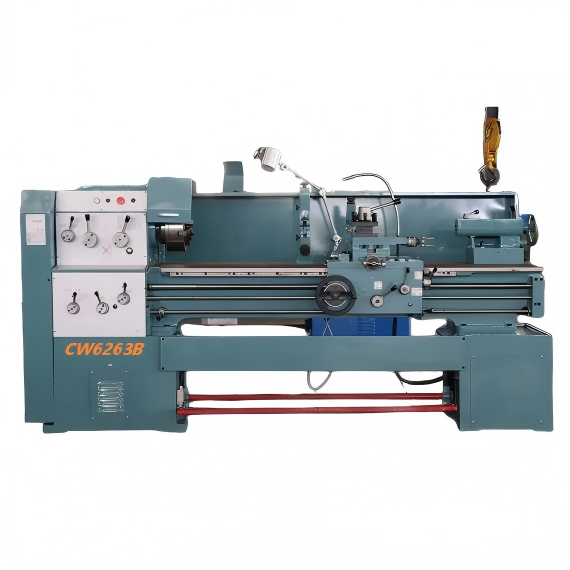
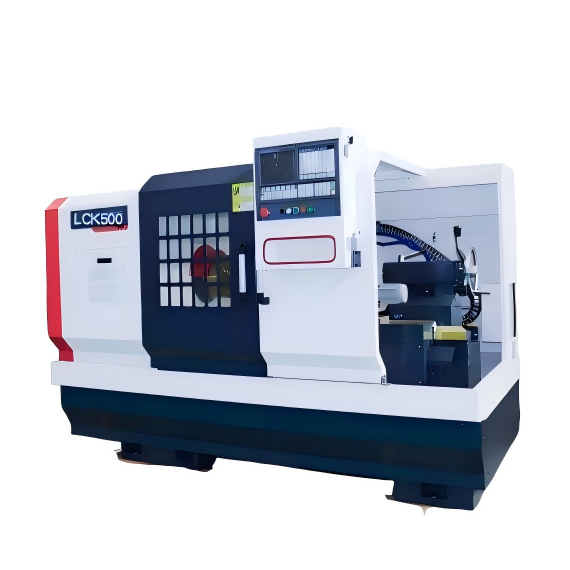
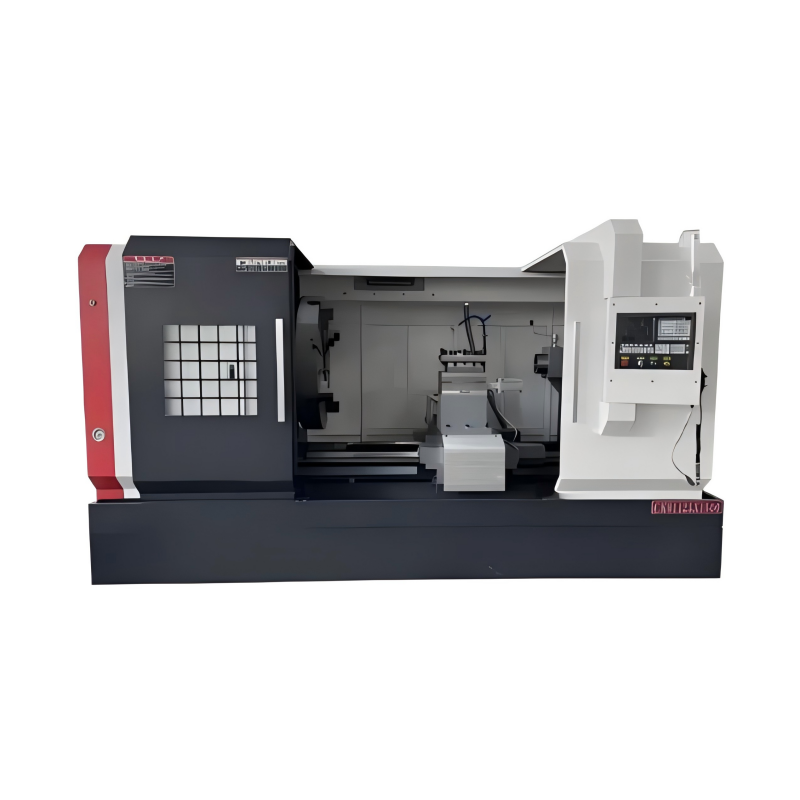
While the focus of this document is on providing Essential Tips for Operating a Manual Lathe Machine, it's important to recognize that in today's manufacturing environment, there are numerous tools and machines designed to handle a variety of tasks, from precision machining to heavy-duty operations. One such piece of equipment, although not directly related to lathes, is the Double pallet heavy HMC (Horizontal Machining Center), which represents an advanced solution for industries requiring high efficiency and accuracy in part production. However, our primary discussion will revolve around enhancing skills and knowledge about manual lathe operation, ensuring operators can achieve optimal results while maintaining safety and productivity.
A manual lathe machine is a fundamental tool in any workshop, used for shaping metal, wood, or other materials. It works by rotating the workpiece against a cutting tool, allowing for the creation of symmetrical objects with high precision. Understanding the basic components and their functions is crucial. The main parts include the bed, headstock, tailstock, carriage, and tool post. Familiarity with these elements enables the operator to set up the machine correctly and perform various operations efficiently. Unlike automated systems like the double pallet heavy HMC, where programming and setup require specialized knowledge, a manual lathe demands hands-on skill and experience. This section will cover the essential aspects of setting up and operating a manual lathe, including how to mount the workpiece, select the appropriate cutting tools, and adjust the speed and feed rates for different materials and operations.
Safety is paramount when working with any machinery, especially with a manual lathe. Operators must be well-versed in all safety protocols and wear the necessary personal protective equipment (PPE) at all times. Key safety measures include wearing safety glasses, gloves, and non-slip footwear. Additionally, the work area should be kept clean and free of clutter to prevent accidents. Regular maintenance is equally important to ensure the lathe operates smoothly and safely. This involves lubricating moving parts, checking for wear and tear, and replacing worn-out components. By adhering to these practices, operators can extend the life of the lathe and avoid potential hazards. While the double pallet heavy HMC has its own set of maintenance requirements, the principles of safety and regular upkeep apply universally across all types of machinery, reinforcing the importance of these practices in any manufacturing setting.
Achieving high-quality results on a manual lathe requires mastering several key techniques. These include turning, facing, drilling, and threading. Each technique has specific steps and considerations that must be carefully followed. For example, turning involves using a single-point cutting tool to remove material from the outer diameter of the workpiece, while facing is used to create a flat surface perpendicular to the axis of rotation. Drilling and threading are more specialized operations that require precise setup and execution. To excel in these areas, operators need to practice regularly and develop a keen sense of touch and control. Advanced techniques, such as taper turning and knurling, further enhance the versatility of the manual lathe. Although the double pallet heavy HMC offers automated precision, the manual lathe remains a valuable tool for custom and small-scale projects, where the operator's skill and expertise are critical.
Even experienced operators may encounter issues while working with a manual lathe. Common problems include vibration, chatter, and uneven cuts. Vibration can be caused by loose components or an unbalanced workpiece, and it can lead to poor surface finish and reduced tool life. Chatter, characterized by a loud, high-pitched noise, often indicates that the cutting tool is not properly supported or the speed and feed rates are incorrect. Uneven cuts can result from misalignment of the tool or improper clamping of the workpiece. Addressing these issues promptly and effectively is crucial for maintaining the quality of the work. Troubleshooting guides and best practices can help operators identify and resolve these problems. While the double pallet heavy HMC may have more sophisticated diagnostics and error reporting, the ability to troubleshoot and solve problems on a manual lathe is a valuable skill that enhances overall operational efficiency.
To become a proficient manual lathe operator, continuous learning and skill development are essential. This can be achieved through formal training, workshops, and self-study. Many resources, including books, online tutorials, and industry forums, provide valuable information and insights. Networking with other professionals and participating in industry events can also broaden one's knowledge and perspective. As technology advances, staying updated with the latest trends and innovations is important, even if they are more relevant to CNC (Computer Numerical Control) machines like the double pallet heavy HMC. Understanding the capabilities and limitations of both manual and automated systems can help operators make informed decisions and adapt to new challenges. By continually advancing their skills and knowledge, operators can not only improve their performance but also contribute to the overall success of their organization.
In conclusion, operating a manual lathe machine effectively and safely requires a deep understanding of its components, techniques, and best practices. By following the tips outlined in this document, operators can enhance their skills, ensure workplace safety, and produce high-quality work. While the double pallet heavy HMC represents a significant advancement in machining technology, the manual lathe remains a versatile and indispensable tool in many workshops. Whether you are a novice or an experienced operator, the principles discussed here will help you achieve excellence in your craft.
 29/06/2026
When considering the acquisition of a manual lathe machine, it is crucial to evaluate several key factors that will influence not only the efficiency and quality of work but also the overall cost-effectiveness of your operation. This technical report aims
Read More29/06/2026Understanding the Importance of a Vertical Machining CenterIn today's competitive manufacturing landscape, selecting the right vertical machining center (VMC) is crucial for businesses aiming to enhance productivity, precision, and overall efficiency. A V
Read More29/06/2026Vertical Machining Centers (VMCs) are a cornerstone of modern manufacturing, offering unparalleled precision and versatility in the production of complex parts. This report provides an in-depth look at the key suppliers of VMCs, with a particular focus on
Read More18/06/2026With the rapid advancement in manufacturing technologies, Chinese lathe manufacturers have increasingly become a focal point of global attention. This shift is not only due to their competitive pricing but also because of the significant improvements in q
Read More18/06/2026In the ever-evolving landscape of manufacturing, the quest for precision, efficiency, and innovation is paramount. One area that has seen significant advancements is the production of lathes, particularly in China, where leading manufacturers are setting
Read More17/06/2026In the ever-evolving landscape of manufacturing, the integration of advanced machinery has become a cornerstone for achieving higher productivity, precision, and efficiency. One such machine that stands out is the Double Pallet Heavy HMC (Horizontal Machi
Read More17/06/2026In the realm of industrial manufacturing, efficiency and productivity are paramount. The integration of advanced machinery and systems plays a critical role in achieving these goals. One such innovation that has significantly enhanced operational capabili
Read More17/06/2026In the realm of manufacturing, where precision and efficiency are paramount, the adoption of advanced machinery has become a necessity rather than a luxury. One such piece of equipment that stands out in this context is the Double Pallet Heavy HMC (Horizo
Read More17/06/2026Introduction to Heavy HMC for Palletized WorkpiecesIn the manufacturing and machining industry, the use of a heavy horizontal machining center (HMC) for processing palletized workpieces has become increasingly popular. This technology offers significant a
Read More17/06/2026Understanding the Double Pallet Heavy HMCThe Double Pallet Heavy HMC (Horizontal Machining Center) represents a significant leap in manufacturing technology, designed specifically to increase production efficiency and flexibility. This system is character
Read MoreOur professional sales team is always ready to assist you.