When considering the acquisition of a manual lathe machine, it is crucial to evaluate several key factors that will influence not only the efficiency and quality of work but also the overall cost-effectiveness of your operation. This technical report aims to provide an in-depth analysis of the critical aspects one must consider before making such a significant investment, with a unique perspective on how these considerations can intersect with the use of Double pallet heavy HMC (Horizontal Machining Center) in a manufacturing setting.
Evaluating the Precision and Accuracy Requirements
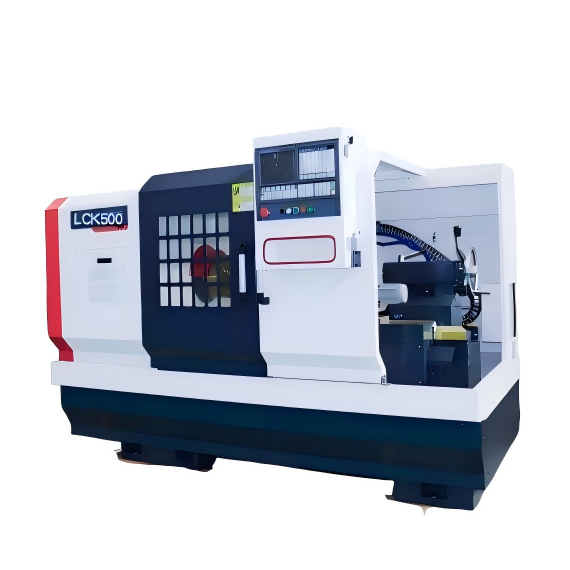
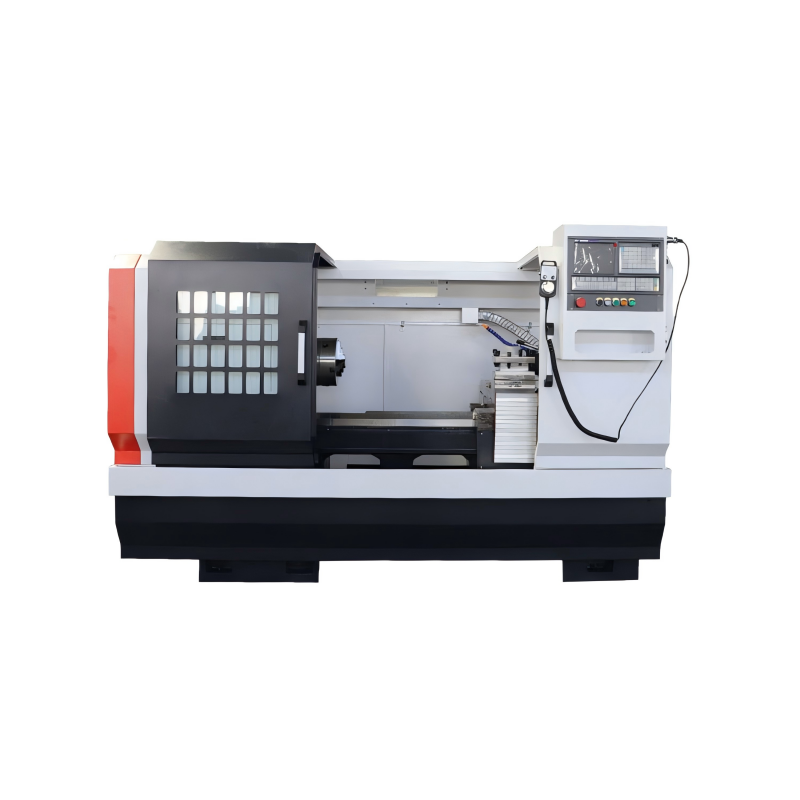
The first and foremost consideration in selecting a manual lathe is the precision and accuracy needed for the specific tasks at hand. Manual lathes are known for their ability to deliver high-precision machining, which is essential for industries requiring tight tolerances. However, the level of precision required will determine whether a manual lathe or a more advanced CNC (Computer Numerical Control) system would be more suitable. For instance, if the operations involve complex geometries and extremely fine details, a CNC Lathe might offer better repeatability and consistency. In contrast, for simpler, less intricate parts, a manual lathe can be both effective and cost-efficient. It's important to note that while a double pallet heavy HMC is designed for high-volume, high-accuracy production, a manual lathe can still play a complementary role in prototype development and small batch production, where the flexibility and human touch are invaluable.
Assessing the Workpiece Size and Material Compatibility
The size and type of materials you plan to work with are other critical factors to consider. A manual lathe must be capable of handling the dimensions and weight of the workpieces. For example, if you frequently work with large, heavy components, you may need a lathe with a robust construction and a larger bed. Additionally, the material compatibility of the lathe is equally important. Different materials require different cutting speeds, tooling, and cooling systems. For instance, machining hard metals like stainless steel or titanium may necessitate a lathe with a more powerful motor and specialized tooling. In a scenario where a double pallet heavy HMC is already in use, the manual lathe should be selected to complement its capabilities, ensuring that the entire production line can handle a wide range of materials and sizes efficiently.
Considering the Operational Flexibility and User Experience
Operational flexibility and user experience are often overlooked but are crucial for long-term productivity and operator satisfaction. A manual lathe offers a high degree of flexibility, allowing operators to make real-time adjustments and corrections during the machining process. This can be particularly beneficial in custom or small-batch production environments where adaptability is key. The ergonomics and ease of use of the lathe are also important. Features such as easy-to-read dials, smooth handwheels, and comfortable working heights can significantly enhance the operator's experience and reduce fatigue. In a setting where a double pallet heavy HMC is used, the manual lathe should be chosen to provide a seamless transition between automated and manual processes, ensuring that operators can easily switch between the two without compromising on efficiency or quality.
Cost-Benefit Analysis and Long-Term Maintenance
Finally, a thorough cost-benefit analysis is essential to ensure that the investment in a manual lathe is economically viable. While the initial purchase price is a significant factor, it is equally important to consider the long-term costs associated with maintenance, tooling, and operational expenses. A well-maintained manual lathe can last for many years, providing a good return on investment. Regular maintenance, including lubrication, cleaning, and timely replacement of worn parts, is crucial to extend the life of the machine. In the context of a double pallet heavy HMC, the manual lathe should be selected with a focus on minimizing downtime and maximizing the overall productivity of the manufacturing line. By carefully evaluating the total cost of ownership, you can make an informed decision that aligns with your budget and operational goals.
In conclusion, selecting the right manual lathe involves a comprehensive evaluation of precision requirements, workpiece size and material, operational flexibility, and long-term maintenance. By considering these key factors, you can ensure that your investment in a manual lathe complements the capabilities of a double pallet heavy HMC and contributes to the overall efficiency and success of your manufacturing operations.
 29/06/2026



