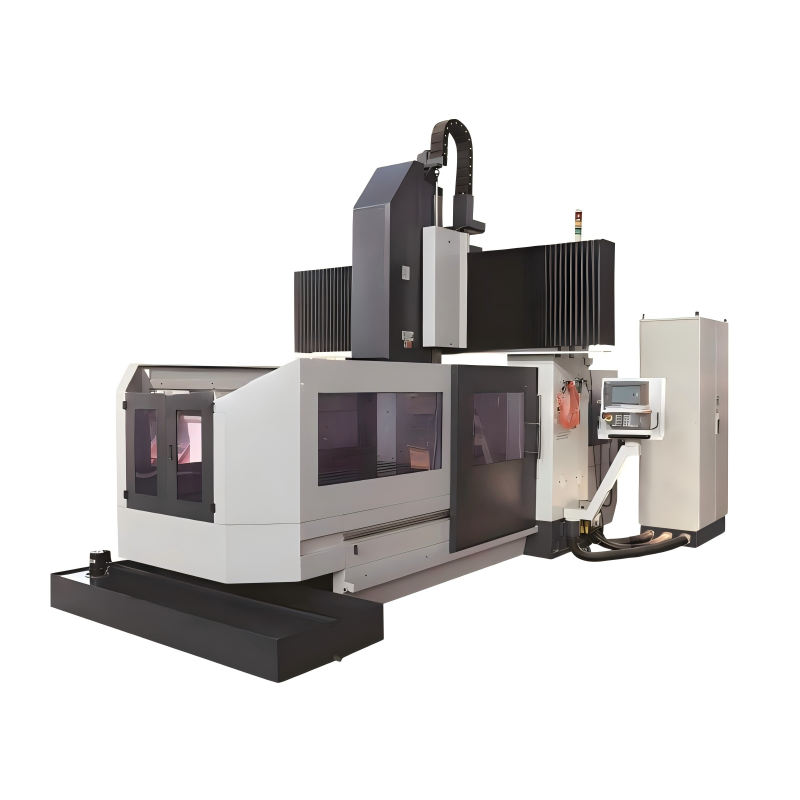
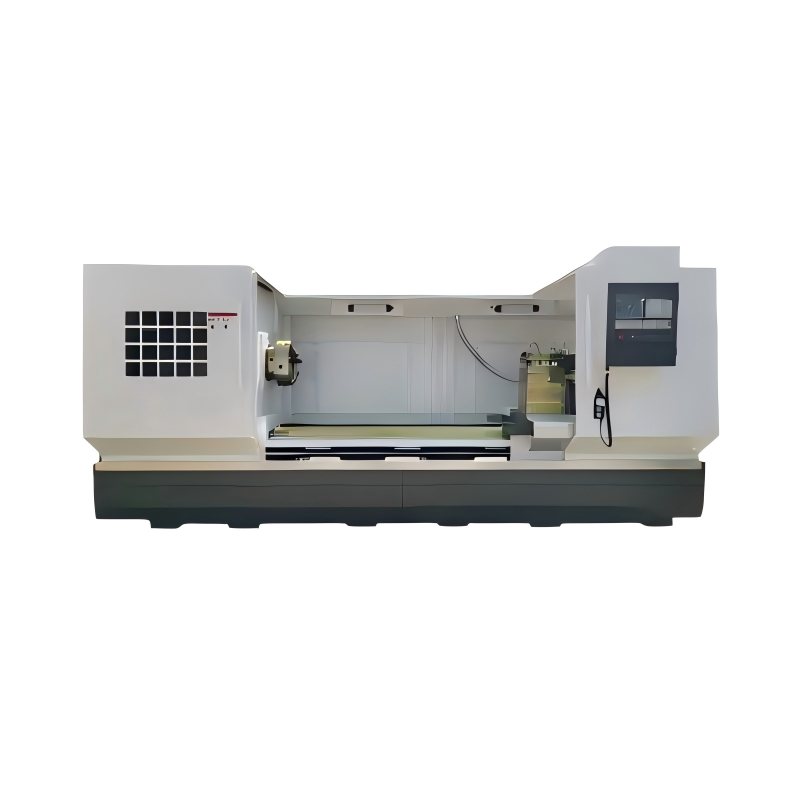
Maintaining a CNC Pipe Thread Lathe is crucial for ensuring its longevity and optimal performance. These machines, which are specialized for threading pipes, require consistent upkeep to prevent wear and tear. By implementing a regular maintenance schedule, operators can reduce downtime, improve efficiency, and extend the life of their equipment. Key areas that should be regularly inspected include the spindle, cutting tools, and lubrication systems. Ensuring these components are in good working order not only enhances the precision of the threads but also minimizes the risk of costly repairs.
A preventive maintenance plan is essential for any Horizontal Lathe Machine, including those used for CNC pipe threading. This plan should cover both daily checks and periodic servicing. Daily checks might include inspecting the machine for loose bolts, checking the coolant levels, and verifying the condition of the cutting tools. Periodic servicing, on the other hand, involves more in-depth tasks such as cleaning and recalibrating the machine, replacing worn parts, and updating software if applicable. By following a structured maintenance plan, operators can identify and address potential issues before they become serious, thereby maintaining the machine's performance and reliability.
Lubrication and cooling are critical aspects of maintaining a CNC pipe thread lathe. Proper lubrication reduces friction between moving parts, preventing excessive wear and heat buildup. It is important to use the correct type and amount of lubricant as specified by the manufacturer. Additionally, the cooling system must be maintained to ensure it effectively dissipates heat generated during operation. Regularly checking and changing the coolant, as well as cleaning the coolant filters, helps prevent contamination and ensures the system operates efficiently. By adhering to these best practices, operators can significantly enhance the lifespan and performance of their CNC pipe thread lathes.
Calibration and alignment are fundamental for achieving high precision in horizontal lathes, especially when threading pipes. Over time, the alignment of the machine can shift due to various factors, such as vibration and wear. Regular calibration ensures that the machine's axes are properly aligned, which is crucial for producing accurate and consistent threads. Calibration should be performed using precision tools, and it is often recommended to have this done by a trained technician. Additionally, operators should check and adjust the tool holder and cutting tool positions to maintain the required tolerances. By keeping the machine calibrated and aligned, operators can ensure the quality and accuracy of the threads produced.
Even with regular maintenance, issues can still arise in CNC pipe thread lathe operations. Common problems include tool wear, incorrect thread dimensions, and mechanical failures. To troubleshoot these issues, it is important to first identify the root cause. For example, if the threads are not meeting the required specifications, the cutting tool may need to be replaced or reconditioned. If there are mechanical failures, such as unusual noises or vibrations, the machine should be shut down and inspected for loose or damaged components. Operators should also keep a log of maintenance activities and issues encountered, as this can help in diagnosing and resolving problems more efficiently. By addressing these common issues promptly, operators can minimize downtime and maintain the productivity of their CNC pipe thread lathe.
Proper training and documentation are essential for effective maintenance of a CNC pipe thread lathe. Operators and maintenance personnel should be thoroughly trained on the specific requirements and procedures for maintaining the machine. This includes understanding the importance of each maintenance task, how to perform them correctly, and the tools and materials needed. Additionally, comprehensive documentation, such as maintenance manuals and service records, should be kept up-to-date and easily accessible. These documents provide a reference for troubleshooting and ensure that all maintenance activities are recorded, which can be valuable for future reference and compliance. By investing in training and maintaining thorough documentation, organizations can ensure that their CNC pipe thread lathes are well-maintained and operate at their best.
 27/06/2026
In the ever-evolving landscape of manufacturing, the integration of advanced machinery has become a necessity for maintaining competitiveness. One such innovation that stands out is the CNC Pipe Thread Lathe, a state-of-the-art solution designed to revolu
Read More26/06/2026Understanding the Importance of CNC Pipe Thread Lathe in Modern ManufacturingIn today's fast-paced manufacturing environment, precision and efficiency are paramount. The CNC Pipe Thread Lathe has emerged as a crucial tool for achieving these goals, partic
Read More22/06/2026The evolution of CNC (Computer Numerical Control) technology has revolutionized the manufacturing industry, particularly in pipe fabrication. The CNC Pipe Thread Lathe is a prime example of how advanced machinery can significantly enhance productivity, pr
Read More18/06/2026The manufacturing industry has seen a significant shift towards automation and precision, with CNC (Computer Numerical Control) machines playing a pivotal role in this transformation. Among these, the CNC Pipe Thread Lathe stands out for its ability to pr
Read More18/06/2026In the realm of modern manufacturing, precision and efficiency stand as the cornerstones of success. Among the various innovations that have significantly impacted this sector, the advent of CNC Pipe Thread Lathe technology has proven to be a game-changer
Read More18/06/2026Understanding the Importance of Regular MaintenanceThe CNC Pipe Thread Lathe, a specialized piece of machinery designed for threading pipes with precision and efficiency, represents a significant investment for any manufacturing or industrial operation. T
Read More18/06/2026Introduction to CNC Pipe Thread Lathe TechnologyThe advent of CNC Pipe Thread Lathe technology marks a significant advancement in the manufacturing and machining industry. This innovation has revolutionized the way pipe threading is performed, offering un
Read More18/06/2026In the realm of precision machining, a CNC Pipe Thread Lathe stands out as an essential tool for creating threads on pipes and other cylindrical workpieces. This comprehensive guide aims to provide a thorough understanding of how to operate such a machine
Read More18/06/2026Introduction to CNC Pipe Thread Lathe TechnologyThe advent of Computer Numerical Control (CNC) technology has revolutionized the manufacturing industry, particularly in the production of precise and complex components. One such machine that exemplifies th
Read More18/06/2026In the realm of industrial manufacturing, precision and efficiency are paramount. One tool that has significantly contributed to these aspects is the CNC Pipe Thread Lathe. This machine, through its advanced capabilities, not only improves the quality of
Read More18/06/2026Understanding the Basics of CNC Pipe Thread LatheA CNC Pipe Thread Lathe is a specialized machine designed for cutting threads on pipes, which can be used in various industrial applications. These lathes are controlled by computer numerical control (CNC)
Read More18/06/2026The CNC Pipe Thread Lathe is a critical tool in modern industrial manufacturing, offering unparalleled precision and versatility. This advanced machine has become an indispensable asset across various sectors, from oil and gas to automotive and constructi
Read More18/06/2026In the realm of modern manufacturing, precision is not just a desirable trait but an absolute necessity. The introduction and continuous evolution of CNC (Computer Numerical Control) machines have significantly enhanced our ability to achieve this level o
Read More17/06/2026In the world of heavy industries, where precision and durability are paramount, the CNC Pipe Thread Lathe has emerged as an indispensable tool. This technical report delves into the capabilities, applications, and advancements of large diameter pipe threa
Read More08/06/2026In the realm of modern manufacturing, precision and efficiency are paramount. This report delves into how CNC milling machine gantries, alongside advancements in technologies like the CNC Pipe Thread Lathe, can significantly boost productivity and accurac
Read MoreOur professional sales team is always ready to assist you.