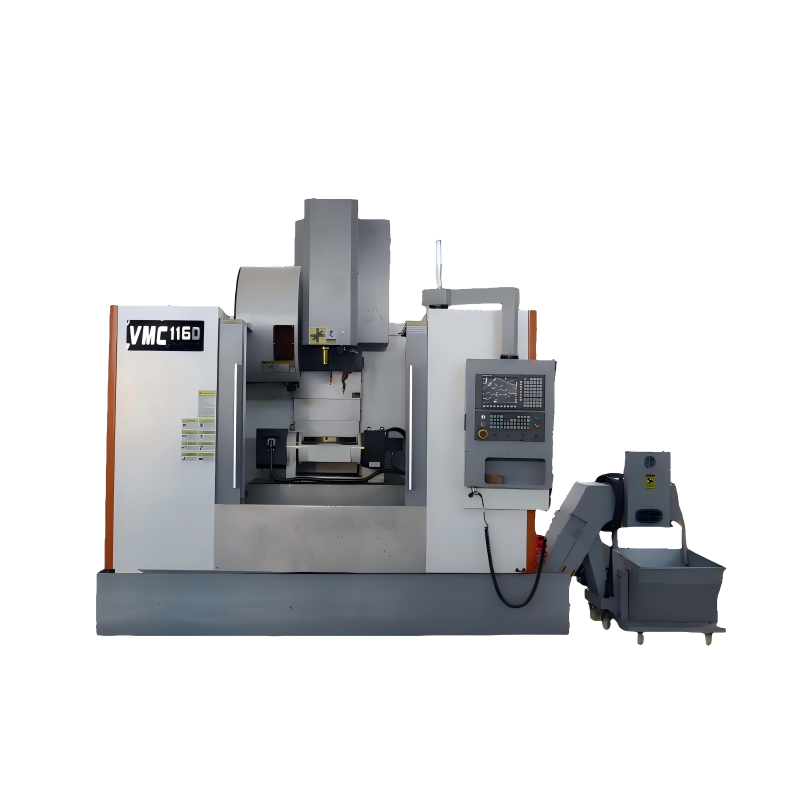
The Turning Lathe Machine, an indispensable tool in the manufacturing and engineering industries, has been a cornerstone of precision work for centuries. As technology advances, so too does the capability of these machines, allowing for ever more intricate designs and higher levels of accuracy. This report delves into the art of precision with a turning lathe machine, exploring its evolution, key components, and the latest technological advancements that are shaping the future of machining.
The history of the turning lathe machine is a long and fascinating one, stretching back to ancient Egypt where early versions were used to create wooden objects. Over time, as materials and needs changed, the design and function of lathes evolved significantly. By the Industrial Revolution, lathes had become more sophisticated, capable of handling metals and other harder materials, which opened up new possibilities for manufacturing. The 20th century saw the introduction of electric motors, further enhancing the speed and efficiency of these machines. Today, modern CNC (Computer Numerical Control) lathes represent the pinnacle of this evolution, offering unparalleled precision and automation. Understanding this progression is crucial for appreciating how far we've come and what the future might hold for turning lathe machines.
To fully grasp the capabilities of a turning lathe machine, it's essential to understand its main components and their roles. At the heart of every lathe is the spindle, which holds and rotates the workpiece at high speeds. The headstock, containing the motor and spindle, is responsible for providing the necessary power and control over rotational speed. Opposite the headstock is the tailstock, used primarily for supporting longer or heavier workpieces. Additionally, the carriage, which moves along the bed, carries the cutting tools, and is critical for achieving precise cuts. Each component works in harmony, contributing to the overall performance and precision of the machine. Modern advancements have led to the integration of digital controls, allowing operators to program specific movements and parameters, thereby increasing both accuracy and repeatability. These improvements underscore the importance of each part in realizing the full potential of a turning lathe machine.
Recent years have witnessed significant technological advancements in turning lathe machines, particularly in the realm of CNC technology. CNC Lathes use computer-aided design (CAD) and computer-aided manufacturing (CAM) software to translate digital models into precise instructions for the machine. This not only enhances the precision of the final product but also allows for complex geometries that would be impossible to achieve manually. Another notable development is the incorporation of multi-axis capabilities, enabling simultaneous operations on multiple sides of the workpiece. This reduces setup times and increases productivity. Furthermore, real-time monitoring and data analytics are becoming standard features, allowing for predictive maintenance and optimization of the machining process. These innovations are driving the industry forward, making turning lathe machines more efficient, versatile, and cost-effective than ever before.
Turning lathe machines find applications across a wide range of industries, from automotive and aerospace to medical and consumer goods. In the automotive sector, lathes are used to produce engine components, such as pistons and crankshafts, which require high precision and durability. Aerospace manufacturers rely on these machines to fabricate parts for aircraft and spacecraft, where even the slightest deviation can have catastrophic consequences. The medical industry also benefits from the precision of turning lathes, using them to create implants, surgical instruments, and other critical components. Additionally, the production of everyday items like faucets, doorknobs, and bicycle parts often involves turning lathe processes. The versatility and precision of these machines make them invaluable in ensuring the quality and reliability of products across various sectors.
As we look to the future, several trends and challenges are likely to shape the landscape of turning lathe machines. One major trend is the continued integration of Industry 4.0 technologies, such as artificial intelligence (AI) and the Internet of Things (IoT). These technologies promise to further enhance the automation and connectivity of lathes, leading to smarter, more efficient manufacturing processes. However, this also brings challenges, including the need for skilled operators who can manage and maintain these advanced systems. Another challenge is the increasing demand for sustainable and eco-friendly practices. Manufacturers are under pressure to reduce waste, energy consumption, and environmental impact. Innovations in material science, such as the use of lightweight alloys and composites, will also influence the design and operation of turning lathes. Addressing these challenges while embracing new opportunities will be key to the continued success and relevance of turning lathe machines in the coming years.
In conclusion, the turning lathe machine remains a vital tool in the pursuit of precision and quality in manufacturing. Its rich history, coupled with ongoing technological advancements, ensures that it will continue to play a central role in shaping the future of the industry. By understanding the evolution, components, and applications of these machines, as well as the emerging trends and challenges, we can better appreciate the art of precision they embody and the value they bring to our world.
 29/06/2026
In the ever-evolving landscape of manufacturing, the integration of advanced technology has become a cornerstone for success. One such technological advancement is the small horizontal CNC lathe, which has seen significant development in China, positionin
Read More29/06/2026In today’s manufacturing landscape, the integration of advanced technologies has revolutionized production processes, with multi-axis CNC (Computer Numerical Control) workcells standing out as a testament to innovation and efficiency. This report delves i
Read More23/06/2026In the ever-evolving landscape of manufacturing, the precision and efficiency of turning lathe machines play a pivotal role in shaping the future of the industry. This report delves into the latest advancements in slant bed lathe innovations, highlighting
Read More15/06/2026In the world of manufacturing, precision and speed are two critical factors that determine the success of a project. The turning lathe machine, a staple in workshops for centuries, has evolved to meet these demands, incorporating advanced technologies tha
Read More15/06/2026Introduction to Slant Bed CNC SystemsThe slant bed CNC (Computer Numerical Control) system represents a significant advancement in the field of machining, especially when it comes to precision and efficiency. This type of machine is designed with a tilted
Read More15/06/2026In today's fast-paced manufacturing environment, the efficiency and precision of turning lathe machines play a crucial role in determining the success of production processes. With the introduction of the latest turning lathe machine models, manufacturers
Read More15/06/2026With the advancement of technology, choosing the right machine for your specific needs has become more critical than ever. When it comes to precision engineering and manufacturing, a Slant Bed CNC (Computer Numerical Control) turning lathe machine stands
Read More15/06/2026The turning lathe machine is a cornerstone in the manufacturing industry, playing an essential role in shaping and machining parts with high precision. To maximize output while maintaining quality, it's crucial to understand the capabilities and best prac
Read MoreOur professional sales team is always ready to assist you.