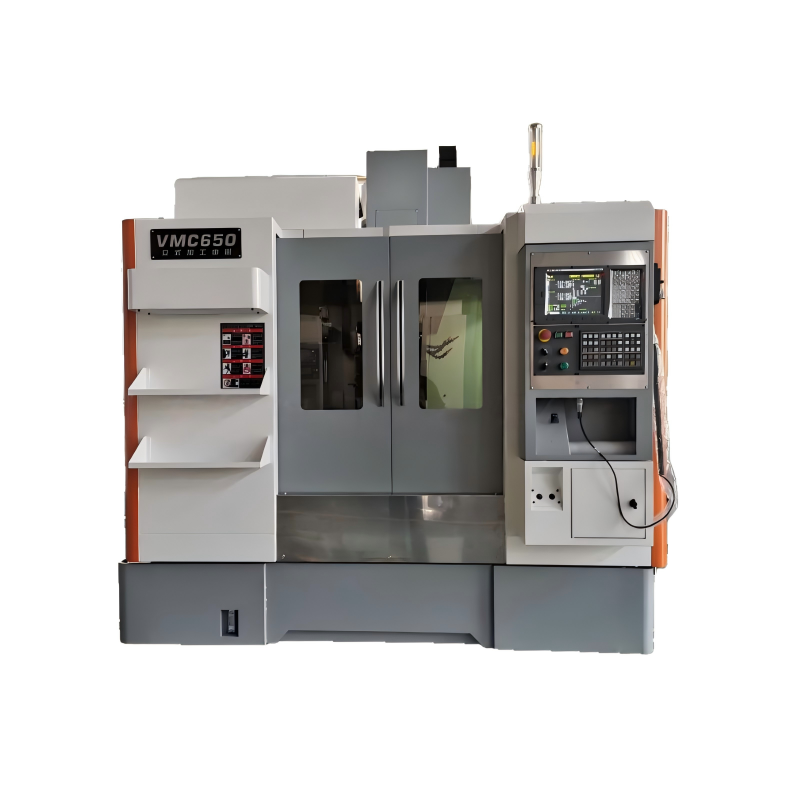
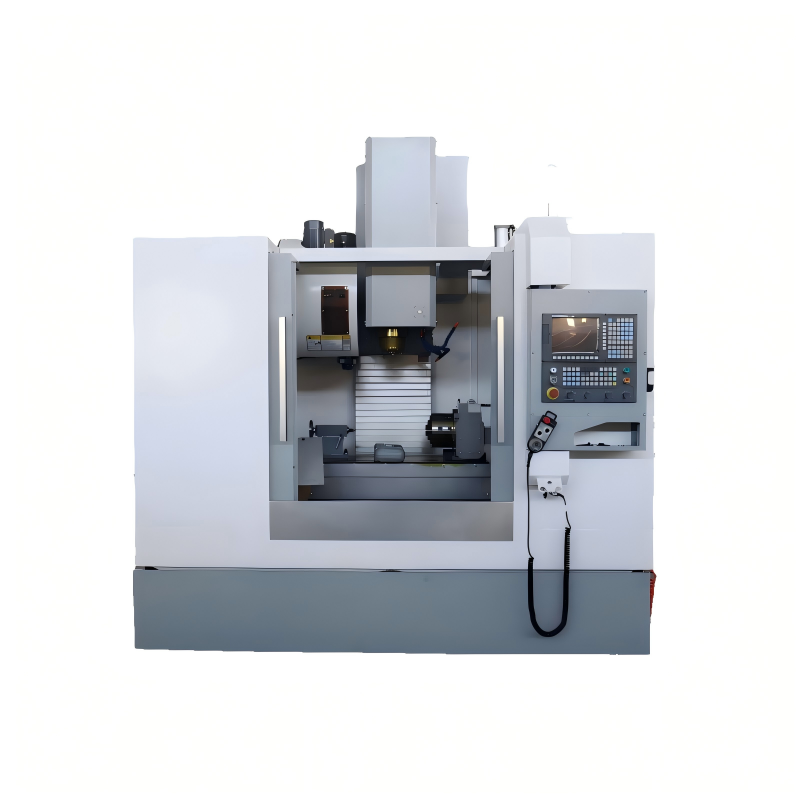
In the realm of modern machining, the capabilities and versatility of conventional lathes remain a cornerstone for many manufacturing processes. This technical report delves into the functionalities of a 630mm swing conventional lathe, particularly focusing on its application in creating precision components, such as those produced by a CNC pipe thread cutting machine. The exploration will cover several key aspects, including the machine's adaptability to different materials, the precision and accuracy it offers, and how it complements advanced CNC technologies.
The 630mm swing conventional lathe is designed to handle a wide range of materials, from soft metals like aluminum and brass to harder alloys such as stainless steel and titanium. This adaptability is crucial in a diverse manufacturing environment where different materials are used for various applications. For instance, in the production of pipes, the lathe can be set up to cut threads with high precision, similar to what a CNC pipe thread cutting machine would achieve. The ability to switch between materials without significant retooling or adjustment makes the 630mm swing lathe a versatile tool in any workshop.
Moreover, the lathe’s robust construction and stable base ensure that it can withstand the stresses of working with harder materials, maintaining consistent performance and longevity. This reliability is essential for ensuring that the final products meet the required specifications, whether they are simple cylindrical parts or more complex threaded components.
One of the most critical aspects of any machining process is the precision and accuracy of the final product. The 630mm swing conventional lathe excels in this area, offering fine control over the cutting process. The machine is equipped with a high-precision lead screw and a well-calibrated feed mechanism, which ensures that each cut is made with the utmost accuracy. This level of precision is particularly important when producing threaded components, where even the slightest deviation can affect the fit and function of the part.
Additionally, the lathe’s manual controls allow operators to make fine adjustments on the fly, ensuring that the workpiece is machined to exact specifications. This hands-on approach, combined with the operator’s skill and experience, can often achieve results that are comparable to those produced by automated systems like a CNC pipe thread cutting machine. The ability to produce high-quality, precise components is a testament to the enduring value of conventional lathes in modern manufacturing.
While the 630mm swing conventional lathe is a powerful tool on its own, it also plays a complementary role alongside advanced CNC technologies. In many cases, a combination of both manual and automated processes is used to achieve the best results. For example, a CNC pipe thread cutting machine can be used for high-volume, repetitive tasks, while the conventional lathe can handle more intricate, custom, or low-volume work. This hybrid approach leverages the strengths of both types of machines, ensuring efficiency and flexibility in the production process.
Furthermore, the conventional lathe can be used for prototyping and small-batch production, allowing manufacturers to test and refine designs before committing to large-scale production. The ability to quickly make changes and adjustments on a conventional lathe can significantly reduce development time and costs. Once the design is finalized, the CNC pipe thread cutting machine can take over for mass production, ensuring consistency and high throughput.
Another significant advantage of the 630mm swing conventional lathe is its durability and ease of maintenance. These machines are built to last, with sturdy frames and reliable components that can withstand years of heavy use. Regular maintenance, such as lubrication and calibration, can keep the lathe running smoothly and extend its operational life. This longevity translates to lower long-term costs, as the machine requires fewer replacements and repairs compared to more complex CNC systems.
Additionally, the simplicity of the conventional lathe’s design means that it is less prone to breakdowns and malfunctions. This reliability is particularly valuable in a production environment where downtime can be costly. By providing a dependable and cost-effective solution, the 630mm swing lathe remains a valuable asset in any modern machining setup, complementing the more advanced capabilities of a CNC pipe thread cutting machine.
The 630mm swing conventional lathe continues to be a vital tool in modern machining, offering a unique blend of versatility, precision, and reliability. Its ability to handle a wide range of materials, produce high-accuracy components, and complement advanced CNC technologies makes it an indispensable asset in any manufacturing facility. Whether used for prototyping, small-batch production, or as a backup to automated systems, the conventional lathe remains a cornerstone of modern machining, ensuring that the highest quality standards are met in every application.
 23/06/2026
The integration of Computer Numerical Control (CNC) technology into pipe thread cutting processes has revolutionized the manufacturing industry, significantly enhancing productivity and efficiency. This report delves into how CNC pipe thread cutting machi
Read More22/06/2026In the ever-evolving landscape of industrial manufacturing, the CNC pipe thread cutting machine has emerged as a pivotal tool for enhancing productivity and precision. This report delves into the latest innovations in CNC pipe thread cutting machines, hig
Read More16/06/2026Understanding the Importance of Regular MaintenanceMaintaining a CNC pipe thread cutting machine is not just about keeping it running; it's about ensuring its longevity and efficiency. A well-maintained machine can significantly reduce downtime, improve p
Read More16/06/2026In recent years, the advent of CNC (Computer Numerical Control) pipe thread cutting machines has significantly transformed how industries operate. These advanced systems not only streamline production processes but also enhance precision and efficiency, m
Read More16/06/2026In the realm of industrial manufacturing, precision and efficiency are paramount. A CNC pipe thread cutting machine is a specialized tool designed to meet these demands, ensuring that pipes and tubes are accurately threaded for various applications. This
Read More16/06/2026In the ever-evolving landscape of manufacturing, the integration of advanced technologies plays a pivotal role in enhancing productivity and precision. One such technology that has significantly transformed the industry is the CNC (Computer Numerical Cont
Read More16/06/2026In the realm of precision engineering, advancements in technology have paved the way for more efficient and accurate manufacturing processes. One such innovation that stands out is the CNC pipe thread cutting machine. This article delves into the intricac
Read MoreOur professional sales team is always ready to assist you.