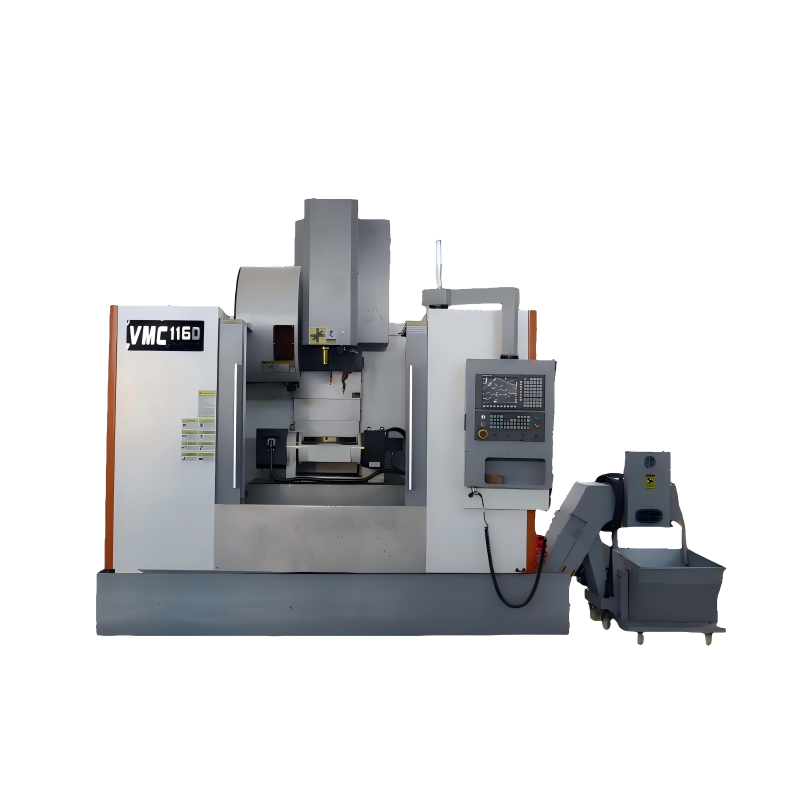
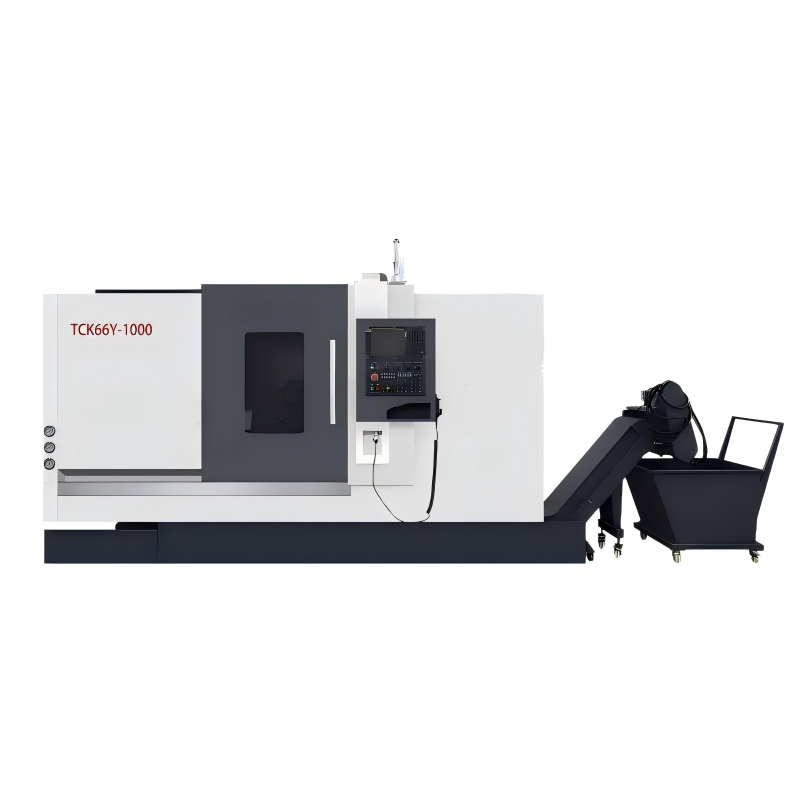
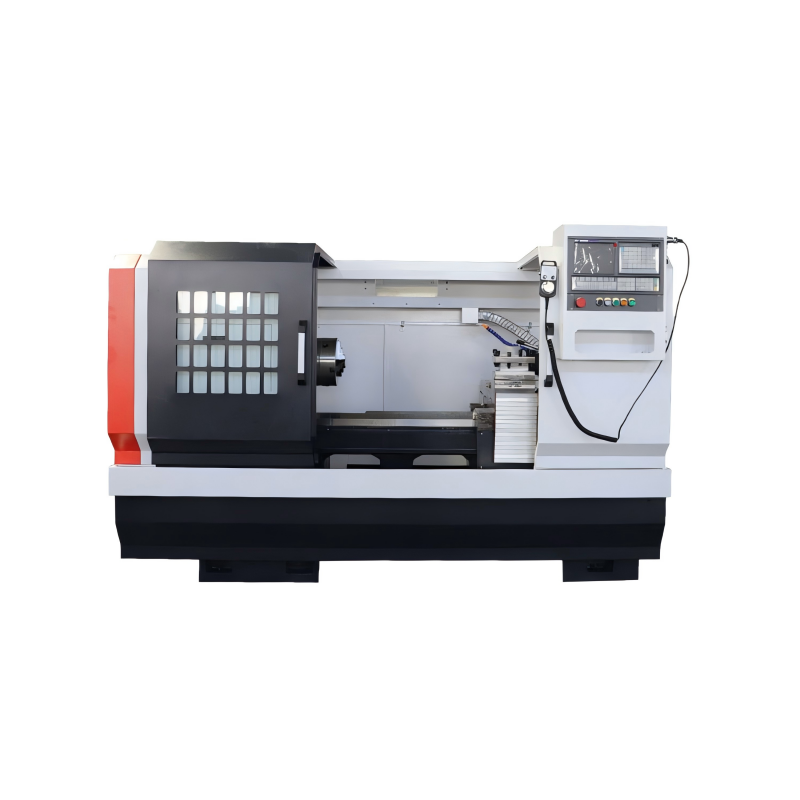
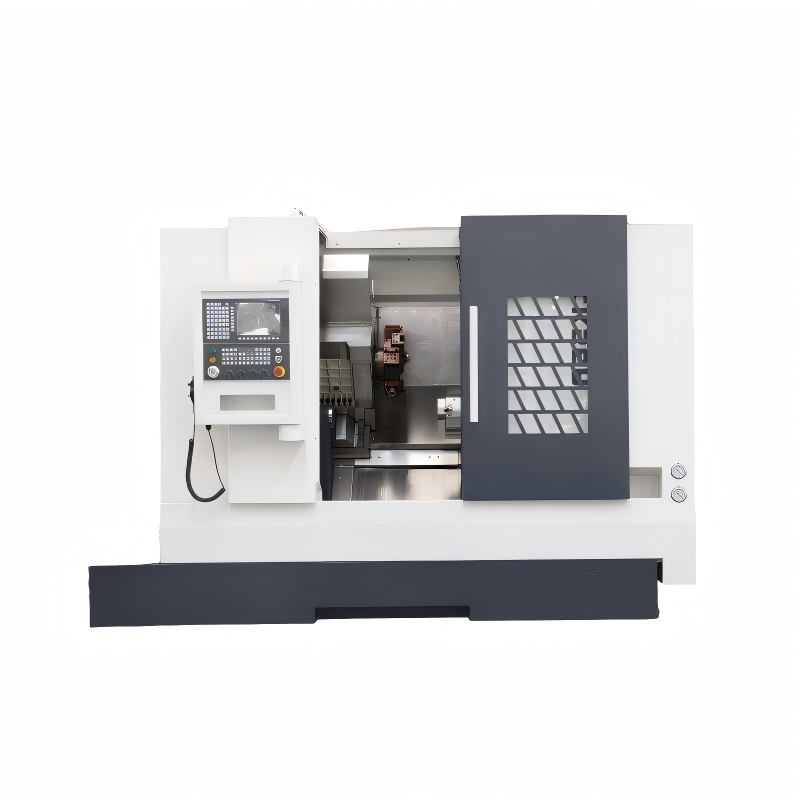
In the ever-evolving landscape of manufacturing, CNC (Computer Numerical Control) milling machines stand out as a cornerstone technology. These sophisticated tools have transformed the way industries produce parts and components, offering unparalleled precision, versatility, and efficiency. This report delves into the capabilities of modern CNC Milling Machines, exploring their advanced features, applications, and the impact they have on various sectors.
One of the most significant advancements in modern CNC milling machines is the dramatic improvement in precision and accuracy. Today's machines are equipped with high-resolution encoders and advanced control systems that can achieve tolerances as tight as 0.001 mm. This level of precision is crucial for industries such as aerospace, where even the slightest deviation can lead to catastrophic failures. The use of closed-loop feedback systems ensures that the machine can correct any deviations in real-time, maintaining consistent quality throughout the production process.
Moreover, the integration of advanced software allows for complex 3D modeling and simulation, enabling engineers to predict and mitigate potential errors before the actual machining begins. This not only reduces waste but also enhances the overall efficiency of the production line. The ability to perform multi-axis operations, including 5-axis milling, further contributes to the precision and complexity of the parts that can be manufactured.
Modern CNC milling machines are highly versatile, capable of handling a wide range of materials and tasks. From soft plastics to hardened steel, these machines can adapt to different material properties, making them indispensable in various industries. The flexibility is further enhanced by the availability of interchangeable tooling and modular design, allowing operators to quickly switch between different setups and operations.
The introduction of automatic tool changers (ATCs) has revolutionized the workflow, reducing downtime and increasing productivity. ATCs can store multiple tools and automatically change them as required by the program, eliminating the need for manual intervention. This feature is particularly beneficial in high-volume production environments, where time is of the essence. Additionally, the ability to integrate with other manufacturing processes, such as laser cutting and 3D printing, makes CNC milling machines a central component of modern manufacturing ecosystems.
The trend towards Industry 4.0 has led to significant advancements in the automation and integration of CNC milling machines. Modern machines are designed to work seamlessly with other systems, such as robotic arms, conveyor belts, and inspection stations. This integration enables the creation of fully automated production lines, where the entire manufacturing process, from raw material input to finished product, is managed by a central control system.
Furthermore, the use of IoT (Internet of Things) and cloud-based technologies allows for real-time monitoring and data analysis. Operators can remotely monitor the performance of the machine, track maintenance needs, and optimize production schedules. Predictive maintenance, enabled by machine learning algorithms, can detect potential issues before they lead to breakdowns, reducing downtime and maintenance costs. The ability to collect and analyze large amounts of data also provides valuable insights into production trends and efficiency, helping companies make informed decisions and improve their overall operations.
Another notable advancement in modern CNC milling machines is the improvement in user interfaces. Gone are the days of complex, text-based command inputs. Today's machines feature intuitive graphical interfaces that are easy to navigate, even for operators with limited experience. Touchscreen displays, visual programming, and drag-and-drop functionality make it simple to set up and run programs, reducing the learning curve and training time.
Additionally, the availability of comprehensive training and support resources, including online tutorials, virtual simulations, and remote assistance, ensures that operators can quickly become proficient in using the machine. This ease of use is particularly important in small and medium-sized enterprises (SMEs), where resources may be limited. By lowering the barrier to entry, modern CNC milling machines enable a wider range of businesses to benefit from this advanced technology.
The capabilities of modern CNC milling machines have expanded significantly, driven by advancements in technology and the demands of various industries. Enhanced precision and accuracy, increased versatility and flexibility, advanced automation and integration, and improved user interfaces are just some of the key features that make these machines indispensable in today's manufacturing landscape. As technology continues to evolve, we can expect even more innovations that will further enhance the capabilities and efficiency of CNC milling machines, paving the way for a new era of manufacturing excellence.
 30/06/2026
The advent of Computer Numerical Control (CNC) milling machines has marked a significant milestone in the evolution of manufacturing processes. These sophisticated tools have not only enhanced production efficiency and precision but also opened up new pos
Read More30/06/2026Understanding the Basics of CNC Milling Machines CNC milling machines, a cornerstone in modern manufacturing, represent an advanced form of subtractive manufacturing where raw material is removed from a workpiece to create a final product. This process is
Read More30/06/2026Understanding the Importance of Regular Maintenance for CNC Milling Machines Maintaining a CNC milling machine is crucial for ensuring its longevity, efficiency, and accuracy. Regular maintenance not only prevents unexpected breakdowns but also helps in r
Read More29/06/2026In the realm of modern manufacturing, CNC (Computer Numerical Control) milling machines have emerged as a cornerstone for precision and efficiency. These sophisticated devices rely heavily on software to perform their tasks with accuracy and speed. This r
Read More28/06/2026Understanding the Basics of CNC Milling MachinesThe journey to selecting the right CNC (Computer Numerical Control) milling machine for your workshop begins with understanding what these machines are and how they operate. A CNC milling machine is an autom
Read More27/06/2026The evolution of CNC Milling Machine technology has been a remarkable journey, marked by continuous innovation and adaptation to the ever-changing demands of manufacturing. From its early beginnings to the sophisticated systems of today, CNC milling machi
Read More26/06/2026The advent of CNC (Computer Numerical Control) milling machines has revolutionized the manufacturing industry, enabling higher precision and efficiency in engineering projects. This report delves into advanced techniques employed with CNC milling machines
Read MoreOur professional sales team is always ready to assist you.