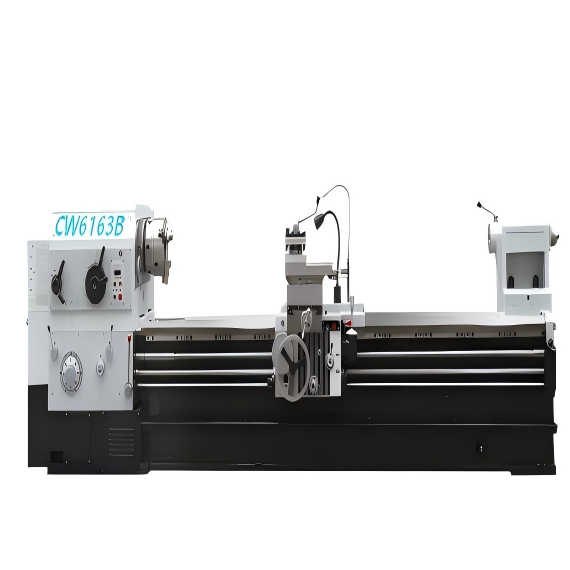
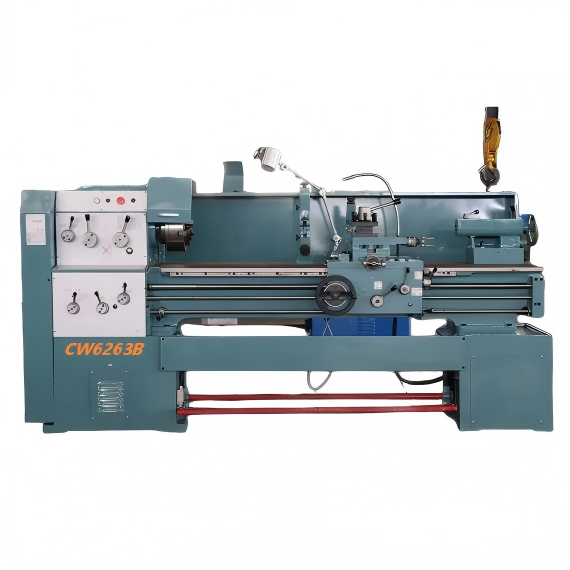
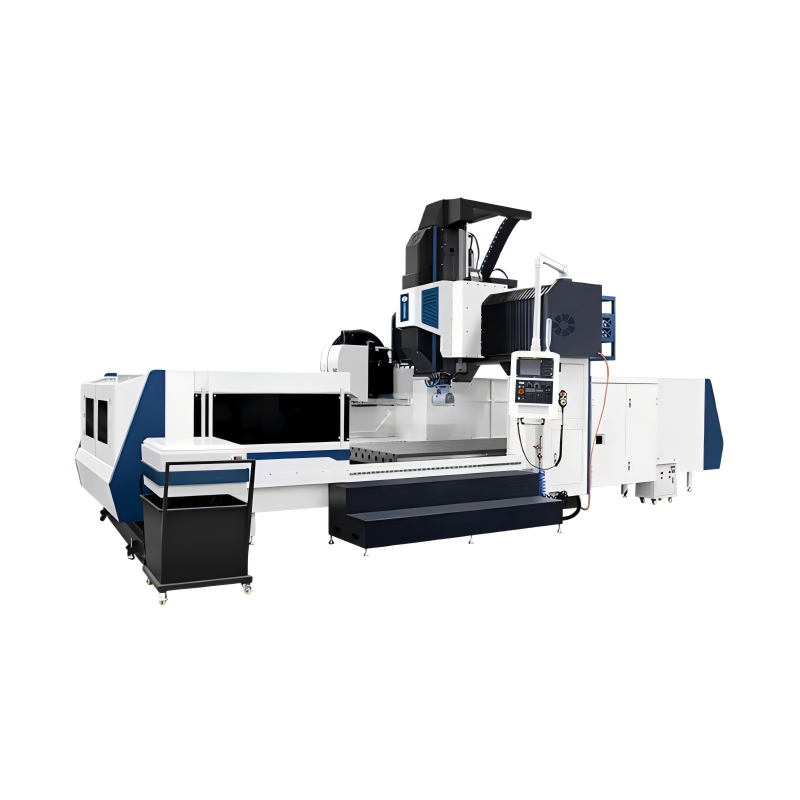
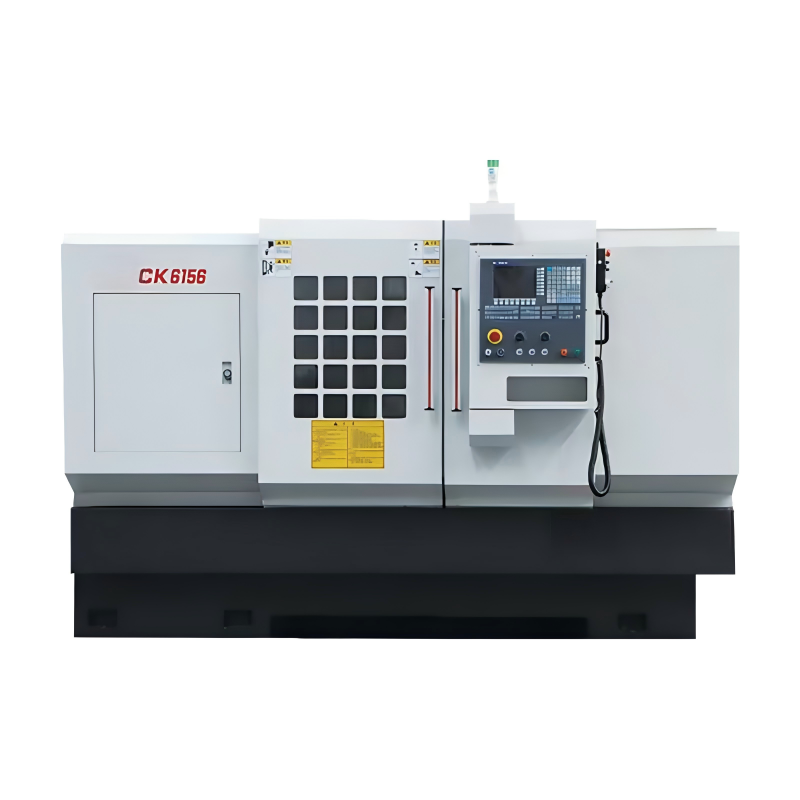
The evolution of CNC Milling Machine technology has been a remarkable journey, marked by continuous innovation and adaptation to the ever-changing demands of manufacturing. From its early beginnings to the sophisticated systems of today, CNC Milling Machines have become an indispensable tool in various industries, including automotive, aerospace, and electronics. This report explores the historical development, current state, and future prospects of CNC milling machines, highlighting key advancements and potential areas for further growth.
The concept of numerically controlled (NC) machines was first introduced in the 1940s and 1950s, primarily driven by the need for more precise and efficient manufacturing processes. The early NC machines were limited by their reliance on punched tape, which was both time-consuming to prepare and prone to errors. However, the advent of computers in the 1960s paved the way for the development of computer numerical control (CNC) systems, which significantly improved the speed and accuracy of machining operations.
One of the most significant milestones in the history of CNC milling machines was the introduction of direct numerical control (DNC) in the 1970s. DNC allowed multiple machines to be controlled from a single computer, streamlining production processes and reducing the need for manual intervention. This period also saw the integration of advanced sensors and feedback systems, enabling real-time monitoring and adjustment of machine parameters, leading to even greater precision and consistency in machining.
Today's CNC milling machines are equipped with a wide range of advanced features and capabilities that have transformed the manufacturing landscape. High-speed machining, multi-axis control, and tool changers are just a few examples of the technologies that have been integrated into modern CNC milling machines. These advancements have not only increased the speed and efficiency of machining but also expanded the range of materials that can be processed, from metals and plastics to composites and ceramics.
Another notable development is the integration of CAD/CAM software, which allows for seamless design-to-manufacture workflows. This software enables designers and engineers to create complex 3D models and generate toolpaths that can be directly executed by the CNC milling machine. The result is a more streamlined and error-free manufacturing process, with reduced lead times and improved product quality.
Furthermore, the use of automation and robotics in CNC milling has become increasingly prevalent. Automated loading and unloading systems, as well as robotic arms, can be integrated with CNC milling machines to handle parts and tools, reducing the need for human intervention and increasing overall productivity. This level of automation is particularly beneficial in high-volume production environments, where consistent and reliable performance is crucial.
Looking ahead, the future of CNC milling machines is likely to be shaped by several emerging trends and innovations. One of the most promising areas is the integration of artificial intelligence (AI) and machine learning (ML) into CNC systems. AI and ML can be used to optimize toolpaths, predict maintenance needs, and even detect and correct errors in real-time, leading to more intelligent and adaptive machining processes.
Another area of focus is the development of more sustainable and eco-friendly CNC milling machines. As environmental concerns continue to grow, there is a growing demand for machines that consume less energy, produce less waste, and use more environmentally friendly materials. This includes the use of energy-efficient motors, the recycling of cutting fluids, and the adoption of lightweight and recyclable materials for machine components.
Finally, the trend towards Industry 4.0 and the Internet of Things (IoT) is expected to have a significant impact on the future of CNC milling machines. By connecting CNC machines to a network of other devices and systems, manufacturers can achieve greater visibility and control over their entire production process. This connectivity can enable predictive maintenance, remote monitoring, and real-time data analytics, all of which can contribute to more efficient and flexible manufacturing operations.
In conclusion, the evolution of CNC milling machines has been a testament to the power of technological innovation and the relentless pursuit of precision and efficiency in manufacturing. As we look to the future, it is clear that CNC milling machines will continue to play a vital role in shaping the manufacturing landscape, driven by advancements in AI, sustainability, and Industry 4.0 technologies.
 29/06/2026
In the realm of modern manufacturing, CNC (Computer Numerical Control) milling machines have emerged as a cornerstone for precision and efficiency. These sophisticated devices rely heavily on software to perform their tasks with accuracy and speed. This r
Read More28/06/2026Understanding the Basics of CNC Milling MachinesThe journey to selecting the right CNC (Computer Numerical Control) milling machine for your workshop begins with understanding what these machines are and how they operate. A CNC milling machine is an autom
Read More26/06/2026The advent of CNC (Computer Numerical Control) milling machines has revolutionized the manufacturing industry, enabling higher precision and efficiency in engineering projects. This report delves into advanced techniques employed with CNC milling machines
Read MoreOur professional sales team is always ready to assist you.