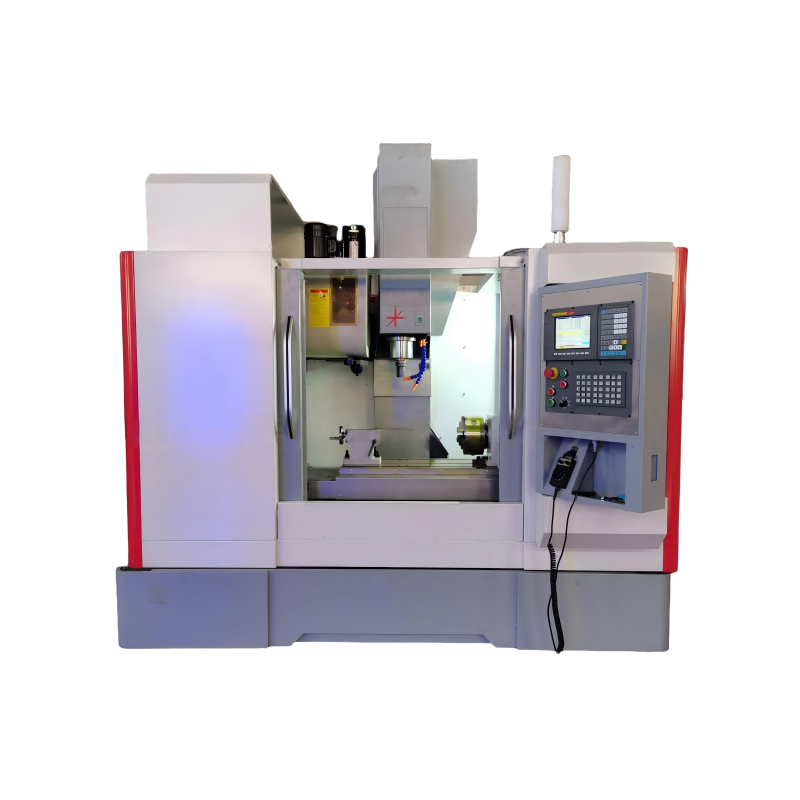
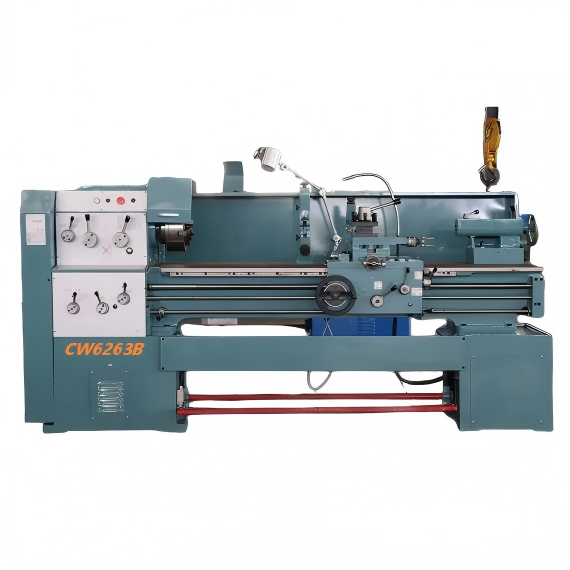
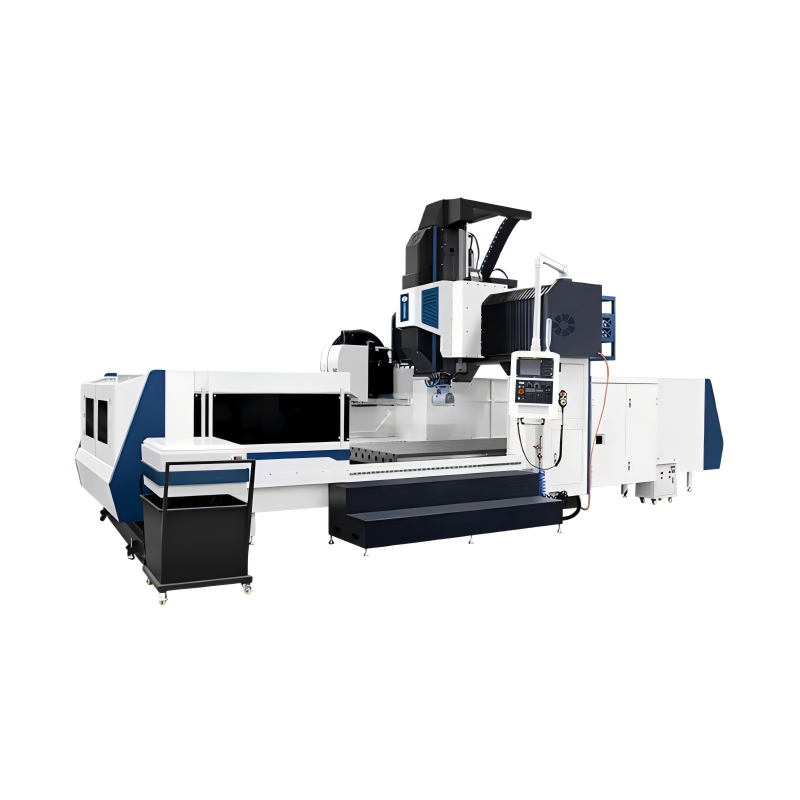
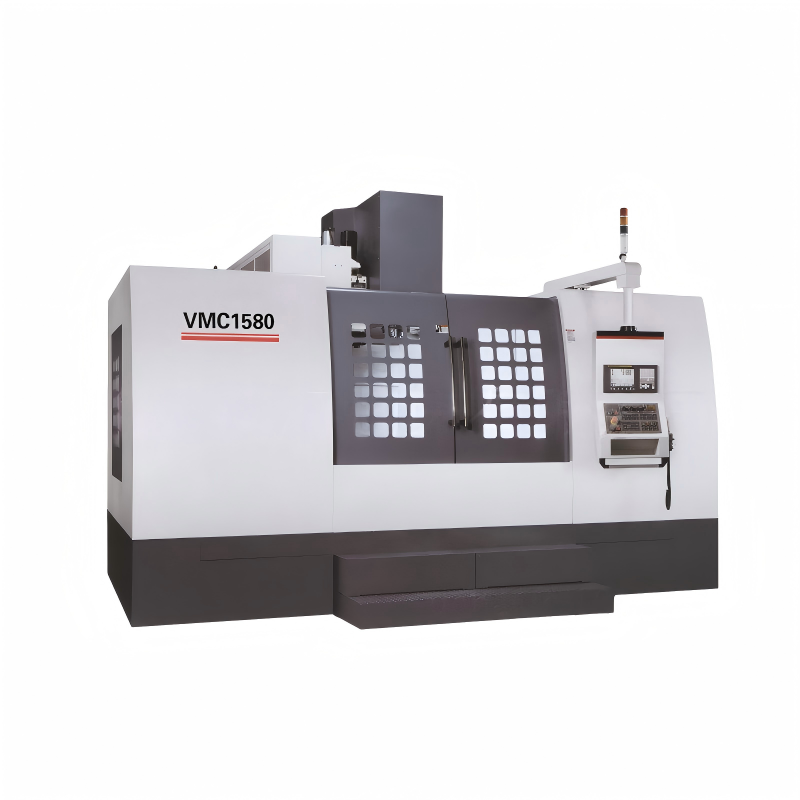
Gantry Milling Machines, also known as portal milling machines, have become indispensable tools in the manufacturing industry due to their versatility and precision. These machines are designed to handle large workpieces with ease, making them suitable for a wide range of applications across various industries. In this technical report, we will explore the unique features and capabilities of gantry milling machines, and how they contribute to the efficiency and productivity of different sectors.
One of the most significant advantages of gantry milling machines is their ability to handle large and heavy workpieces. The design of these machines, which typically includes a moving table and a stationary gantry, allows for the accommodation of workpieces that would be too cumbersome or difficult to manage on traditional milling machines. This capability is particularly valuable in industries such as aerospace, where large components like wing spars and fuselage sections need to be machined with high precision.
The gantry structure provides stability and rigidity, ensuring that the machine can maintain accuracy even when working with large parts. Additionally, the use of advanced control systems and software enables operators to achieve precise and consistent results, reducing the likelihood of errors and rework. This level of precision is critical in industries where tolerances are extremely tight, such as automotive and medical device manufacturing.
Gantry milling machines offer a high degree of flexibility in machining operations, allowing them to perform a variety of tasks. These machines can be equipped with multiple tool heads, each capable of performing different types of milling, drilling, and cutting operations. This multi-functionality means that a single gantry milling machine can replace several specialized machines, thereby reducing the overall cost and space requirements in a manufacturing facility.
Moreover, the ability to change tools quickly and easily enhances the machine's versatility. Tool changers and automatic tool management systems ensure that the right tool is available for each operation, minimizing downtime and increasing productivity. This flexibility is particularly beneficial in industries that require a diverse range of machining operations, such as general engineering and mold making.
Modern gantry milling machines are often integrated with advanced technologies, such as computer-aided design (CAD) and computer-aided manufacturing (CAM) systems. These technologies enable the creation of complex 3D models and the generation of precise tool paths, which are then executed by the machine. This integration streamlines the entire manufacturing process, from design to production, and ensures that the final product meets the exact specifications required.
Additionally, many gantry milling machines are equipped with real-time monitoring and diagnostic systems. These systems provide operators with valuable data on the machine's performance, including spindle speed, feed rate, and tool wear. By continuously monitoring these parameters, operators can detect and address issues before they lead to more serious problems, thus maintaining the machine's reliability and extending its lifespan.
Furthermore, the integration of automation technologies, such as robotic arms and automated material handling systems, further enhances the efficiency of gantry milling machines. Automation reduces the need for manual intervention, minimizes human error, and allows for continuous operation, leading to higher throughput and lower production costs.
Despite their initial high cost, gantry milling machines offer a strong return on investment (ROI) over time. The ability to handle large workpieces, perform multiple operations, and integrate with advanced technologies makes them highly efficient and productive. This efficiency translates into reduced production times, lower labor costs, and increased output, all of which contribute to a faster ROI.
Additionally, the durability and long lifespan of gantry milling machines mean that they require less frequent replacement, further reducing long-term costs. Regular maintenance and proper care can extend the life of these machines, ensuring that they continue to deliver high-quality results for many years. This longevity, combined with their versatility and precision, makes gantry milling machines a worthwhile investment for any manufacturing facility.
In addition to their technical benefits, gantry milling machines also offer environmental and safety advantages. Modern gantry milling machines are designed to minimize waste and energy consumption, contributing to a more sustainable manufacturing process. For example, the use of energy-efficient motors and the optimization of tool paths can significantly reduce power usage, while the collection and recycling of coolant and chips help to minimize waste.
From a safety perspective, gantry milling machines are equipped with various safety features, such as emergency stop buttons, safety guards, and interlock systems. These features protect operators from potential hazards and ensure a safe working environment. Additionally, the automation and integration of these machines reduce the need for manual intervention, further enhancing workplace safety.
In conclusion, gantry milling machines are versatile and powerful tools that play a crucial role in modern manufacturing. Their ability to handle large workpieces, perform multiple operations, and integrate with advanced technologies makes them an essential asset in a wide range of industries. By investing in gantry milling machines, manufacturers can improve their efficiency, productivity, and overall competitiveness, while also contributing to a safer and more sustainable manufacturing process.
 27/06/2026
When it comes to acquiring a Gantry Milling Machine, understanding the key features that define its performance, efficiency, and durability is crucial. This type of machine, often used in large-scale manufacturing and engineering projects, offers unparall
Read More26/06/2026The evolution of manufacturing technologies has always been a driving force behind industrial growth, with each new development bringing about significant changes in efficiency, precision, and productivity. Among these innovations, the Gantry Milling Mach
Read More25/06/2026In the realm of modern manufacturing, the gantry milling machine has emerged as a versatile and indispensable tool. This report aims to explore the advantages of using a gantry milling machine in contemporary industrial settings, highlighting its key feat
Read MoreOur professional sales team is always ready to assist you.