Understanding the Bed-Type Milling Machine
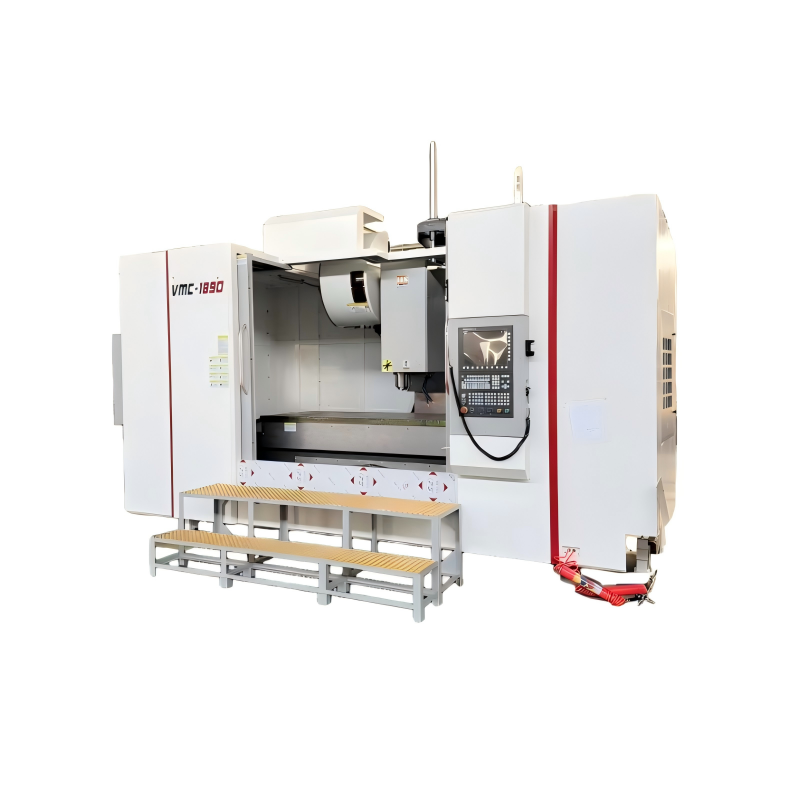
The bed-type milling machine, a staple in manufacturing and metalworking industries, is designed for precision and versatility. It stands out due to its robust construction, which includes a heavy-duty bed that provides stability and accuracy during operation. This section delves into the fundamental aspects of the bed-type milling machine, exploring its components, operational principles, and the types of tasks it can efficiently handle. Understanding these basics is crucial for anyone involved in maintaining or operating such machinery, as it forms the foundation upon which more advanced knowledge and skills are built.
Maintenance Essentials: Regular Inspection and Cleaning
Regular inspection and cleaning are paramount to the longevity and optimal performance of a bed-type milling machine. These activities should be carried out systematically, following a well-defined schedule. During inspections, operators should pay close attention to critical areas such as the spindle, ways, and table, looking for signs of wear, damage, or misalignment. Cleaning, on the other hand, involves removing chips, debris, and lubricant residues that can accumulate over time. Proper cleaning not only prevents contamination but also enhances the machine's efficiency and reduces the risk of unexpected breakdowns. By adhering to a rigorous maintenance routine, operators can significantly extend the life of their equipment and ensure consistent, high-quality output.
Lubrication: The Lifeline of Your Bed-Type Milling Machine
Lubrication is an indispensable aspect of maintaining a bed-type milling machine. The correct application of lubricants ensures smooth movement of mechanical parts, minimizes friction, and protects against corrosion. Different parts of the machine may require different types of lubricants, and it is essential to follow the manufacturer’s recommendations regarding the type and frequency of lubrication. For example, the ways and slides often benefit from a heavier oil, while the spindle might need a lighter, more fluid lubricant. Additionally, modern machines may come with automatic lubrication systems, which simplify the process but still require periodic checks to ensure they are functioning correctly. Neglecting proper lubrication can lead to premature wear, increased energy consumption, and ultimately, costly repairs. Therefore, establishing a reliable lubrication regimen is one of the most effective ways to keep your bed-type milling machine in top condition.
Calibration and Adjustment: Ensuring Precision and Accuracy
Calibration and adjustment are critical steps in maintaining the precision and accuracy of a bed-type milling machine. Over time, various factors such as usage, environmental conditions, and wear can cause the machine to drift from its initial settings. Regular calibration helps to restore the machine to its optimal performance levels. This process typically involves checking and adjusting the alignment of the spindle, the parallelism of the table, and the perpendicularity of the vertical axis. Tools like dial indicators, test bars, and laser alignment systems are commonly used for this purpose. Additionally, adjustments may be necessary for the feed mechanisms, ensuring that the machine delivers consistent and accurate cuts. By regularly calibrating and adjusting your bed-type milling machine, you can maintain the high standards of quality and precision required in modern manufacturing processes.
Troubleshooting Common Issues: A Proactive Approach
Even with the best maintenance practices, issues can arise in a bed-type milling machine. Being able to identify and troubleshoot common problems is essential for minimizing downtime and maintaining productivity. Some typical issues include excessive vibration, uneven cuts, and tool breakage. Vibration can often be traced back to loose components or worn bearings, and addressing these issues promptly can prevent further damage. Uneven cuts may indicate misalignment or improper tool setup, and recalibration or tool adjustment may be necessary. Tool breakage can result from incorrect speeds and feeds, inadequate coolant, or using the wrong type of cutting tool. By understanding the root causes of these problems and taking proactive measures, operators can resolve issues quickly and efficiently, ensuring that the machine continues to operate at its best.
Upgrading and Modernizing Your Bed-Type Milling Machine
As technology advances, upgrading and modernizing your bed-type milling machine can provide significant benefits in terms of efficiency, accuracy, and functionality. Upgrades can range from simple additions like new control systems and improved safety features to more extensive modifications such as adding CNC (Computer Numerical Control) capabilities. CNC upgrades, in particular, can transform a manual machine into a highly automated and precise tool, capable of handling complex and repetitive tasks with ease. Other potential upgrades include advanced cooling systems, enhanced lighting, and more efficient chip management solutions. When considering upgrades, it is important to evaluate the specific needs of your operations and the long-term benefits of the investment. By staying up-to-date with the latest advancements, you can ensure that your bed-type milling machine remains a valuable asset in your manufacturing process.
Training and Documentation: Empowering Your Team
Effective maintenance of a bed-type milling machine is not just about the machine itself; it also depends on the skills and knowledge of the operators and maintenance personnel. Providing comprehensive training and maintaining detailed documentation are key to empowering your team. Training programs should cover all aspects of the machine, from basic operation and safety procedures to advanced maintenance and troubleshooting techniques. Regular refresher courses and updates on new technologies and best practices can help keep your team’s skills sharp. Documentation, including manuals, maintenance logs, and troubleshooting guides, should be easily accessible and regularly updated. By investing in training and documentation, you can ensure that your team is well-equipped to handle the challenges of maintaining a bed-type milling machine, leading to improved performance and reduced downtime.
 27/06/2026



