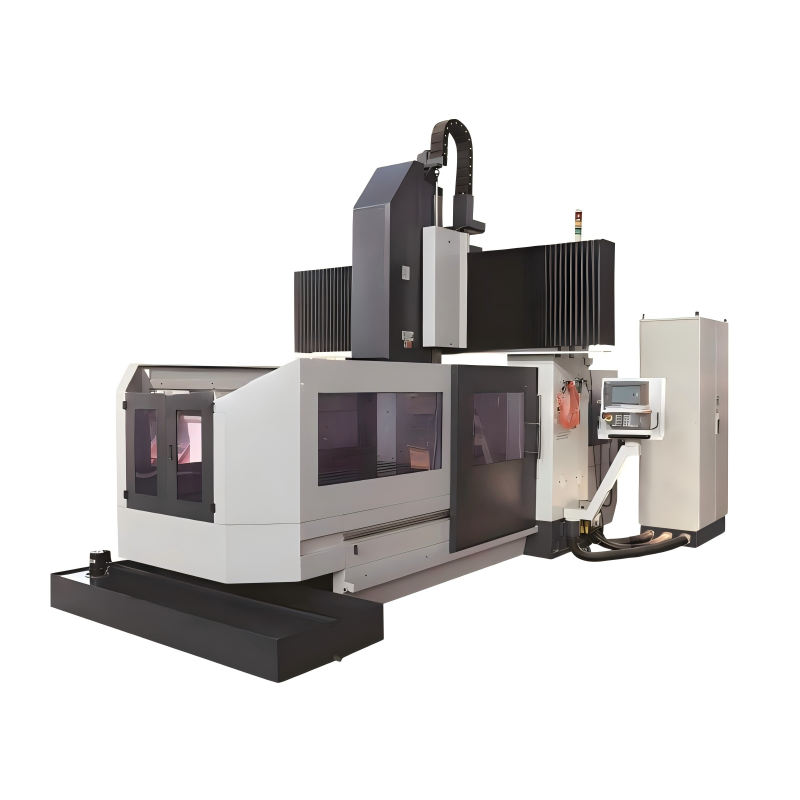
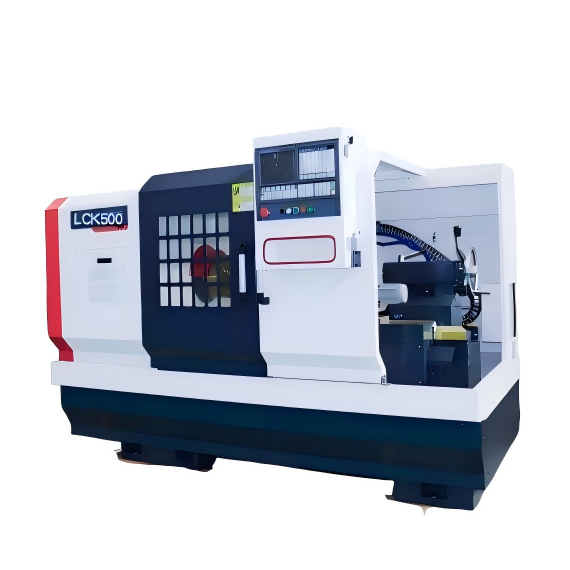
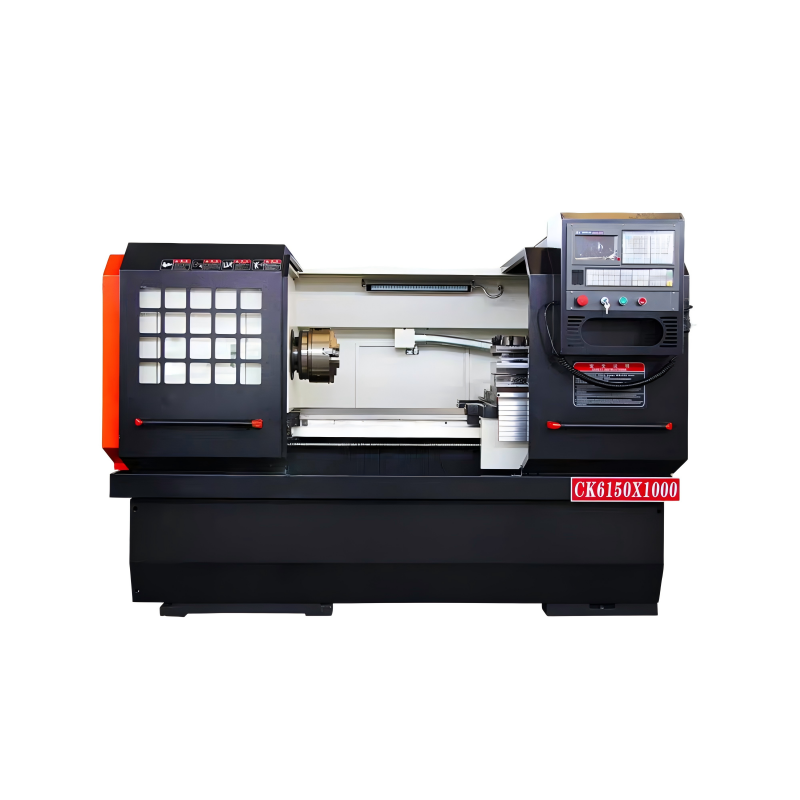
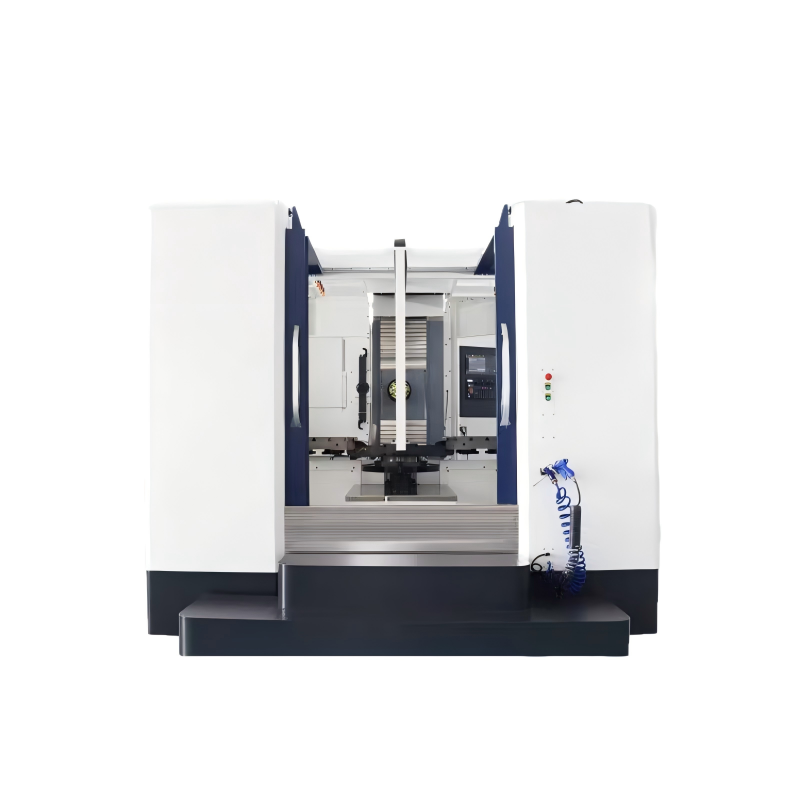
A Universal Milling Machine is an essential piece of equipment in the manufacturing and engineering sectors, capable of performing a wide range of operations with precision and efficiency. This guide aims to provide a comprehensive understanding of how to operate a universal milling machine effectively, covering key aspects from setup through to maintenance, ensuring that users can achieve optimal results while maintaining safety standards.
The first step towards mastering the operation of a universal milling machine lies in gaining a thorough understanding of its components and their functions. A typical universal milling machine consists of several key parts, including the base, column, knee, saddle, table, overarm, arbor support, and spindle. Each component plays a crucial role in enabling the machine to perform its tasks accurately and efficiently. The base provides stability, the column supports the overarm, and the knee allows for vertical adjustments. Meanwhile, the table, which can move horizontally and longitudinally, serves as the work surface where the material is secured during machining. Understanding these components not only helps in operating the machine but also in troubleshooting any issues that may arise.
Before starting any milling operation, it's critical to prepare the machine and set up the workspace correctly. This process begins with inspecting the machine for any signs of wear or damage, checking the cutting tools for sharpness, and ensuring all safety features are functioning properly. Once the machine passes inspection, the next step involves setting up the workpiece. Proper clamping is essential to prevent movement during the milling process, which could lead to inaccuracies or even accidents. Additionally, selecting the appropriate cutting tool and adjusting the speed and feed rates according to the material being milled are vital steps in this phase. By taking the time to meticulously prepare and set up the universal milling machine, operators can significantly enhance the quality and accuracy of their work.
With the machine prepared and the workpiece securely clamped, the focus shifts to the actual operation. Effective operation of a universal milling machine requires a combination of technical knowledge, skill, and experience. Key techniques include understanding how to adjust the machine's settings for different materials and operations, such as face milling, end milling, or slotting. For instance, when performing face milling, the operator must ensure the cutter is perpendicular to the surface being milled, while end milling often requires careful adjustment of the depth of cut to avoid overloading the tool. Moreover, learning to read and interpret the machine’s gauges and dials is crucial for maintaining control throughout the process. By continuously practicing and refining these techniques, operators can improve their proficiency, leading to more precise and efficient milling operations.
To keep a universal milling machine operating at its best, regular maintenance and effective troubleshooting skills are indispensable. Regular maintenance includes cleaning the machine after each use to remove chips and debris, lubricating moving parts, and periodically checking for wear on critical components like the spindle and bearings. These routine checks help in identifying potential issues before they escalate into major problems. When faced with operational challenges, such as unusual noises, vibrations, or poor cutting performance, knowing how to diagnose and address these issues is crucial. Common troubleshooting steps might involve checking the alignment of the machine, inspecting the cutting tools for damage, and verifying the settings and adjustments. By adhering to a consistent maintenance schedule and developing strong troubleshooting skills, operators can extend the life of their universal milling machine and ensure reliable performance over time.
Safety is paramount in any machining environment, and operating a universal milling machine is no exception. Adhering to safety protocols not only protects the operator but also ensures the longevity of the machine. Key safety measures include wearing appropriate personal protective equipment (PPE) such as safety glasses, hearing protection, and gloves. Additionally, it is essential to familiarize oneself with the machine's emergency stop controls and ensure they are easily accessible. Proper housekeeping, such as keeping the work area clean and free of clutter, also contributes to a safer working environment. Regular training and refresher courses on safety procedures and machine operation are highly recommended to maintain a high standard of safety awareness. By prioritizing safety, operators can minimize the risk of accidents and create a more productive and secure workplace.
In conclusion, mastering the operation of a universal milling machine involves a deep understanding of its components, meticulous preparation, skilled operation, diligent maintenance, and a strong commitment to safety. By following the guidelines outlined in this comprehensive guide, operators can maximize the potential of their universal milling machine, achieving high-quality results while maintaining a safe and efficient working environment.
 27/06/2026
The selection of a Universal Milling Machine is a critical decision for any workshop, influencing not only the quality and efficiency of work but also long-term operational costs. This guide aims to provide a comprehensive overview on how to choose the ri
Read More26/06/2026Introduction to Universal Milling MachinesThe universal milling machine is a versatile piece of equipment that has become an indispensable tool in various industries, including automotive, aerospace, and manufacturing. Its ability to perform a wide range
Read More25/06/2026The universal milling machine is a versatile piece of equipment that has been a cornerstone in the manufacturing and engineering industries for decades. Its ability to perform a wide range of operations, from simple to complex, makes it an indispensable t
Read MoreOur professional sales team is always ready to assist you.