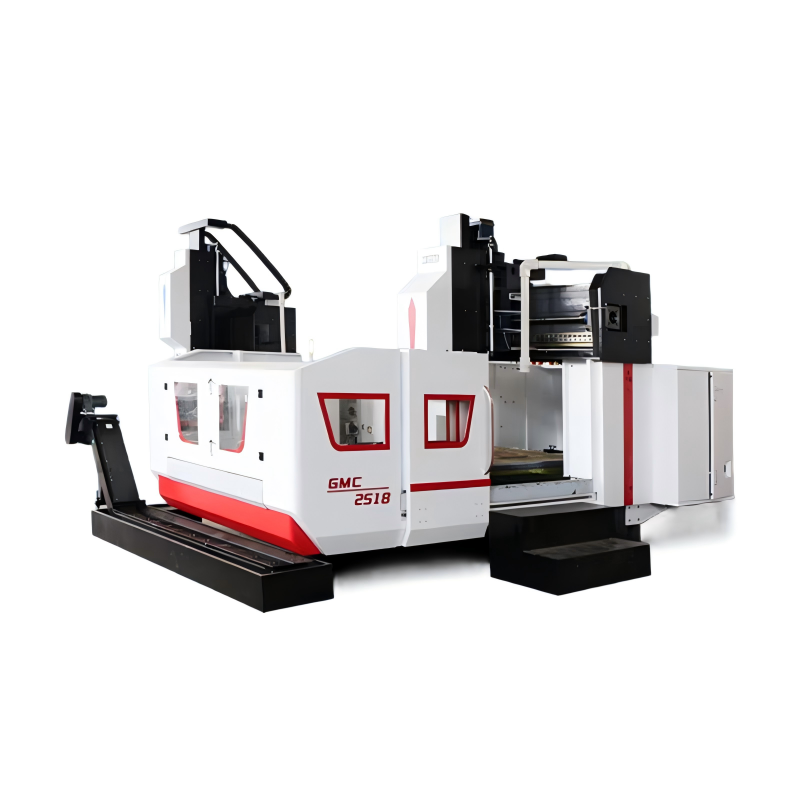
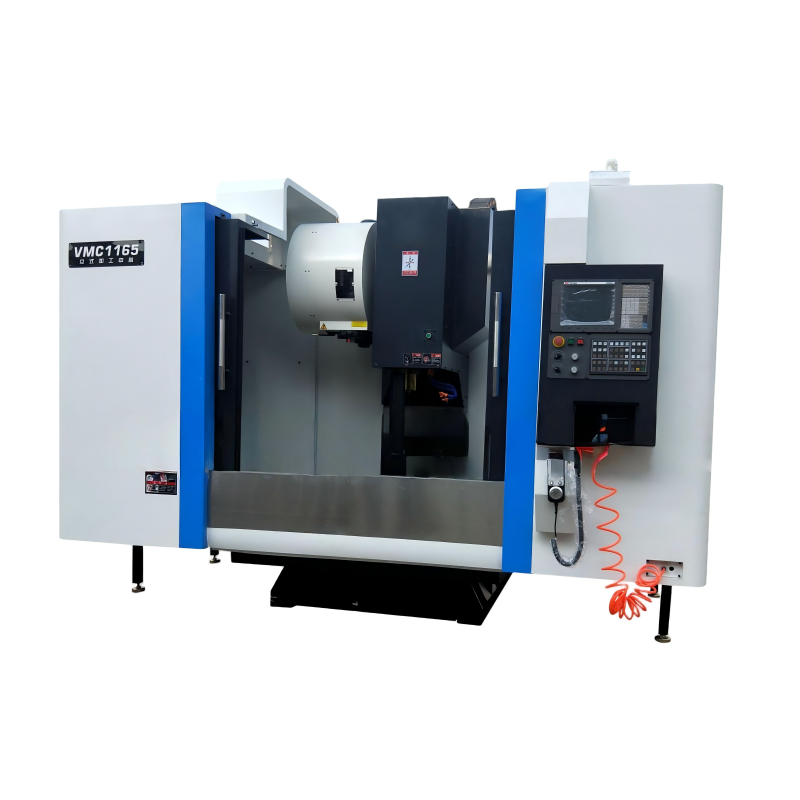
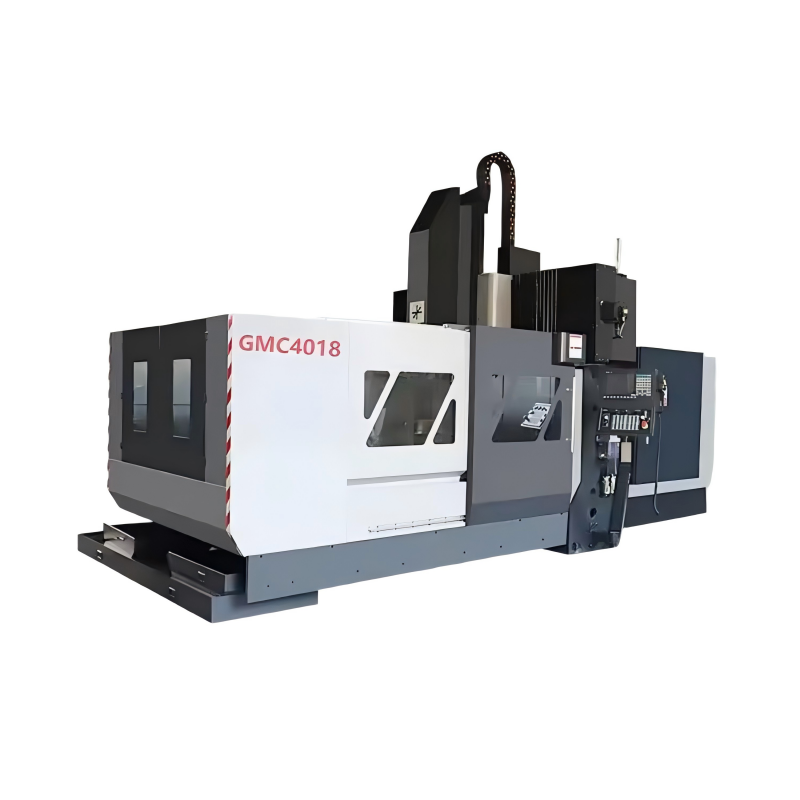
In the realm of manufacturing and engineering, Precision Milling Machines play a pivotal role in producing high-accuracy components. This report delves into the recent advancements in precision milling machine technology, highlighting key innovations that are transforming the industry.
The evolution of control systems has been one of the most significant drivers of innovation in precision milling machines. Modern CNC (Computer Numerical Control) systems have become increasingly sophisticated, enabling more precise and efficient machining. One of the key developments is the integration of advanced algorithms and real-time feedback mechanisms. These systems can now dynamically adjust cutting parameters based on sensor data, ensuring optimal performance and minimizing errors. For instance, adaptive control systems can automatically modify feed rates and spindle speeds to maintain consistent tool wear and surface finish, even under varying conditions. This level of automation not only enhances precision but also extends the lifespan of cutting tools, reducing maintenance costs and downtime.
Another notable advancement is the use of artificial intelligence (AI) and machine learning (ML) in control systems. AI-powered CNC systems can learn from historical data to predict and mitigate potential issues, such as tool breakage or excessive vibration. By continuously analyzing operational data, these systems can optimize the machining process, leading to higher productivity and better quality outcomes. The integration of AI and ML also enables predictive maintenance, allowing operators to schedule maintenance tasks before failures occur, thereby improving overall equipment efficiency.
One of the challenges in precision milling is the ability to work with a wide range of materials, each with its own unique properties. Recent innovations in precision milling machine technology have focused on enhancing material compatibility, making it possible to machine a broader spectrum of materials with greater accuracy and efficiency. For example, the development of specialized cutting tools and coatings has significantly improved the machining of hard and exotic materials, such as titanium, Inconel, and composites. These advanced tools and coatings reduce friction and heat generation, which are critical factors in maintaining the integrity of both the tool and the workpiece.
Additionally, the use of hybrid machining techniques, which combine traditional milling with other processes like laser ablation or electrical discharge machining (EDM), has opened new possibilities for machining complex geometries and materials. Hybrid machines can switch between different modes of operation, allowing for the seamless integration of multiple processes in a single setup. This not only simplifies the manufacturing process but also improves the dimensional accuracy and surface finish of the final product. Furthermore, the ability to handle a variety of materials with a single machine reduces the need for multiple setups and machines, leading to cost savings and increased flexibility in production.
The integration of advanced sensors and monitoring systems has revolutionized the way precision milling machines operate. These sensors provide real-time data on various aspects of the machining process, including temperature, vibration, and tool wear. By continuously monitoring these parameters, operators can detect and address issues before they lead to defects or downtime. For example, thermal sensors can detect hot spots in the workpiece, allowing for immediate adjustments to prevent thermal deformation. Vibration sensors, on the other hand, can identify imbalances or misalignments, which can be corrected to maintain the desired surface finish and dimensional accuracy.
Moreover, the use of condition-based monitoring (CBM) systems has become increasingly popular. CBM systems use a combination of sensors and data analytics to monitor the health of the machine and its components. By analyzing the data, these systems can predict when maintenance is required, helping to prevent unexpected failures and extending the life of the machine. This proactive approach to maintenance not only reduces downtime but also ensures that the machine operates at peak performance, leading to higher productivity and better quality products.
Another important aspect of advanced monitoring systems is the integration of Industry 4.0 technologies, such as the Internet of Things (IoT) and cloud computing. IoT-enabled sensors can transmit data to a centralized system, where it can be analyzed and visualized in real time. Cloud-based platforms allow for remote monitoring and management of multiple machines, providing operators with a comprehensive view of the entire production line. This level of connectivity and data sharing enables better decision-making and coordination, leading to more efficient and responsive manufacturing operations.
The user interface (UI) of a precision milling machine is a critical component that directly impacts the operator's ability to control and manage the machine effectively. Recent innovations in UI design have focused on creating more intuitive and user-friendly interfaces, making it easier for operators to interact with the machine and perform complex tasks. Touchscreen displays, for example, have replaced traditional buttons and knobs, providing a more modern and accessible interface. These touchscreens often feature graphical representations of the machining process, allowing operators to visualize and understand the operations more easily.
Another significant improvement is the incorporation of augmented reality (AR) and virtual reality (VR) technologies. AR can overlay digital information onto the physical world, providing operators with real-time guidance and instructions. For example, an AR headset can display step-by-step instructions for setting up a job, or highlight areas of the machine that require attention. VR, on the other hand, can be used for training and simulation purposes, allowing operators to practice and refine their skills in a safe and controlled environment. These technologies not only enhance the operator experience but also improve safety and reduce the learning curve for new operators.
Furthermore, the integration of voice recognition and natural language processing (NLP) has made it possible for operators to control the machine using voice commands. This hands-free approach can be particularly useful in situations where the operator needs to focus on the workpiece or perform manual tasks. Voice-controlled systems can also help reduce the risk of human error by eliminating the need for manual input, leading to more accurate and reliable operations.
The advancements in precision milling machine technology, including enhanced control systems, improved material compatibility, advanced sensors and monitoring systems, and user-friendly interfaces, are driving significant improvements in the manufacturing industry. These innovations not only increase the precision and efficiency of the machining process but also enhance the overall operator experience. As technology continues to evolve, we can expect further breakthroughs that will continue to transform the landscape of precision milling, making it more accessible, efficient, and reliable.
 26/06/2026
In the realm of modern manufacturing, precision is not just a preference but a necessity. The advent of advanced technologies has paved the way for more accurate and efficient production processes, with Precision Milling Machines playing a pivotal role in
Read More25/06/2026In the realm of manufacturing, precision is not just a preference but a necessity. A high-quality Precision Milling Machine stands out as an indispensable tool for achieving the exacting standards required in today’s competitive market. This report delves
Read MoreOur professional sales team is always ready to assist you.