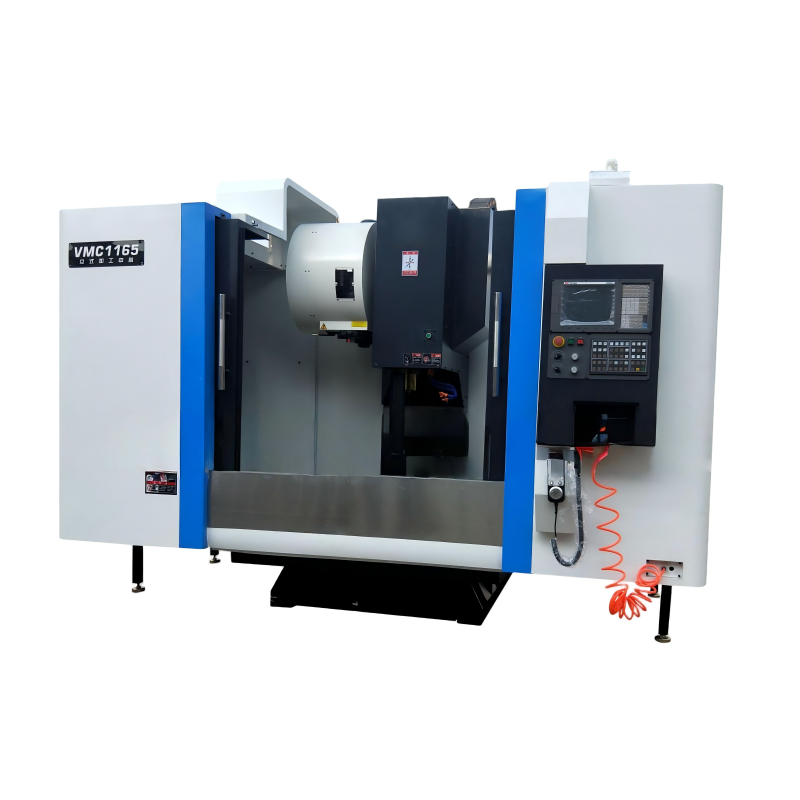
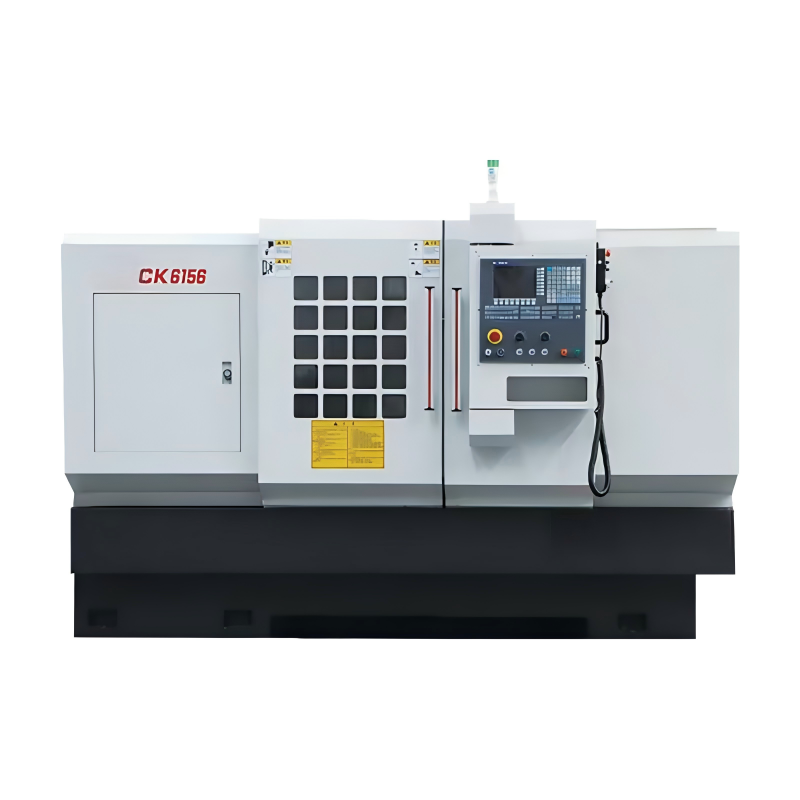
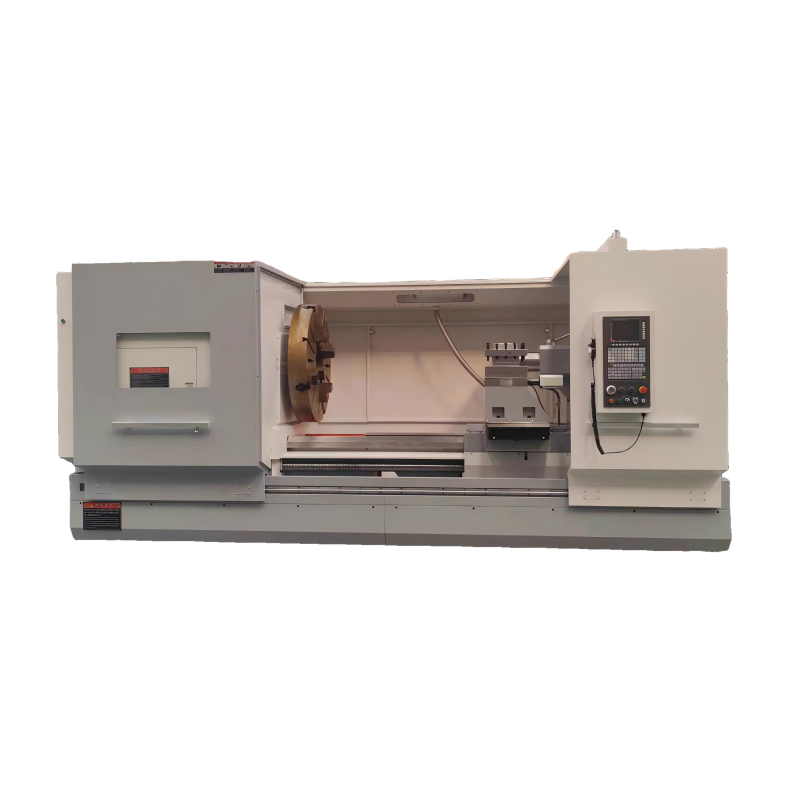
Heavy-Duty Milling Machines have long been a cornerstone of industrial manufacturing, offering unparalleled precision and versatility in the processing of various materials. This report delves into the diverse applications and capabilities of these robust machines, exploring their significance in modern industrial settings. By examining specific use cases, technological advancements, and the impact on productivity, we aim to provide a comprehensive understanding of how heavy-duty milling machines contribute to the efficiency and effectiveness of industrial operations.
Over the years, heavy-duty milling machines have undergone significant transformations, driven by advancements in technology and the evolving needs of the manufacturing industry. Initially, these machines were relatively simple, designed primarily for basic milling tasks. However, with the integration of computer numerical control (CNC) systems, heavy-duty milling machines have become highly sophisticated, capable of performing complex and precise operations with minimal human intervention.
The evolution of heavy-duty milling machines has also been marked by improvements in material handling, tooling, and automation. Modern machines are equipped with advanced features such as automatic tool changers, multi-axis capabilities, and high-speed spindles, which enhance their versatility and efficiency. These advancements have not only increased the range of tasks that can be performed but have also significantly reduced production times and costs.
Heavy-duty milling machines find extensive use across a wide array of industrial sectors, each with its unique requirements and challenges. In the aerospace industry, for example, these machines are crucial for the precision machining of components such as turbine blades and structural parts. The ability to handle large and complex workpieces, combined with high-precision cutting, makes heavy-duty milling machines indispensable in this sector.
In the automotive industry, heavy-duty milling machines are used for the production of engine blocks, transmission housings, and other critical components. The high-speed and high-accuracy capabilities of these machines ensure that parts meet the stringent quality standards required in the automotive sector. Additionally, the ability to perform multiple operations in a single setup reduces the need for repositioning, thereby increasing overall productivity.
The energy sector, particularly in the production of wind turbines and nuclear power plants, also benefits from the use of heavy-duty milling machines. These machines are essential for the machining of large, heavy, and often irregularly shaped components. The robust construction and powerful cutting capabilities of heavy-duty milling machines make them ideal for handling the demanding requirements of this sector.
The continuous advancement of technology is driving the development of more efficient and versatile heavy-duty milling machines. One of the most significant trends is the integration of Industry 4.0 technologies, such as the Internet of Things (IoT), artificial intelligence (AI), and machine learning. These technologies enable real-time monitoring, predictive maintenance, and data-driven decision-making, which can significantly enhance the performance and reliability of heavy-duty milling machines.
Another key area of innovation is the development of hybrid Machining Centers, which combine the capabilities of milling, turning, and grinding in a single machine. This multi-functional approach allows for the complete machining of complex parts in a single setup, reducing production time and improving accuracy. Additionally, the use of advanced materials and coatings for cutting tools is enhancing the durability and efficiency of heavy-duty milling machines, allowing them to operate at higher speeds and with greater precision.
Looking ahead, the future of heavy-duty milling machines is likely to be characterized by further integration of automation and robotics. Collaborative robots (cobots) and autonomous guided vehicles (AGVs) are expected to play a more prominent role in material handling and part loading, further streamlining the manufacturing process. Moreover, the development of more sustainable and energy-efficient machines will be a key focus, as industries strive to reduce their environmental impact.
The versatility and precision of heavy-duty milling machines make them an indispensable tool in modern industrial settings. From their evolution to their diverse applications and ongoing technological advancements, these machines continue to play a pivotal role in shaping the future of manufacturing. As industries increasingly adopt advanced technologies and sustainable practices, heavy-duty milling machines will remain at the forefront, driving innovation and efficiency in the production of high-quality components and products.
 27/06/2026
Understanding the Importance of Regular MaintenanceA heavy-duty milling machine is a critical piece of equipment in many manufacturing and engineering operations. Its role in producing high-precision parts with complex geometries makes it indispensable. H
Read More26/06/2026Understanding the Capabilities of Heavy-Duty Milling MachinesHeavy-duty milling machines are essential tools in the manufacturing and engineering industries, capable of handling large, complex parts with high precision. These machines come equipped with p
Read More25/06/2026Heavy-duty milling machines play a crucial role in the manufacturing industry, providing the capability to process large and complex parts with high precision. Understanding the capabilities of a heavy-duty milling machine is essential for manufacturers a
Read MoreOur professional sales team is always ready to assist you.