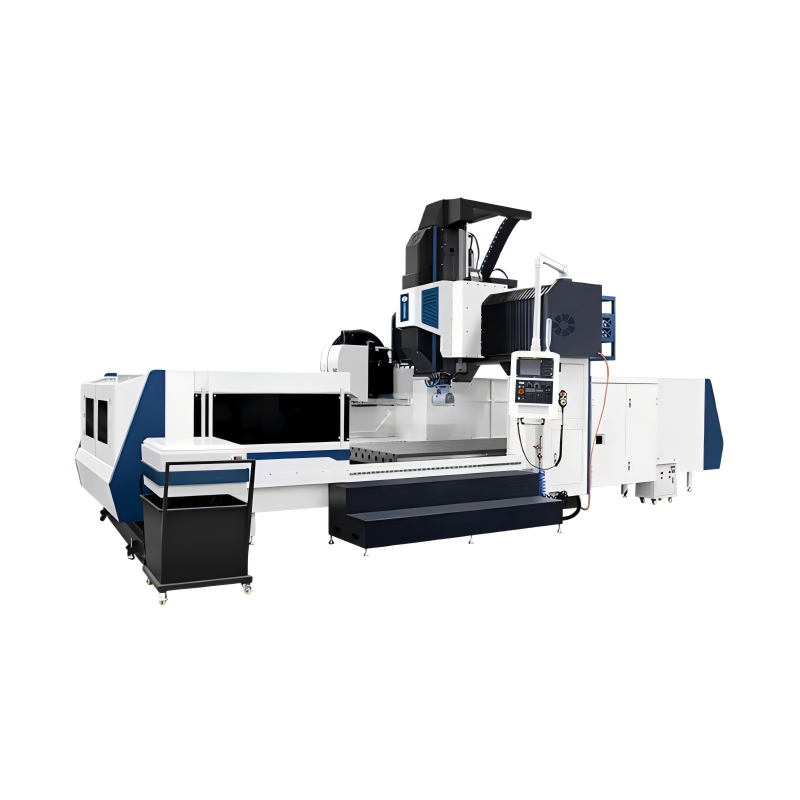
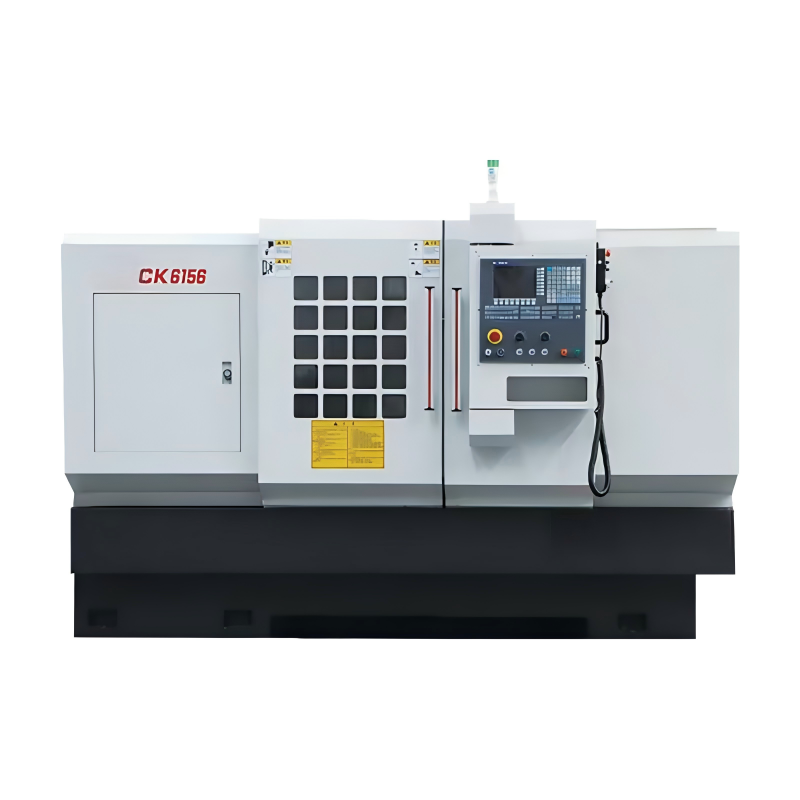
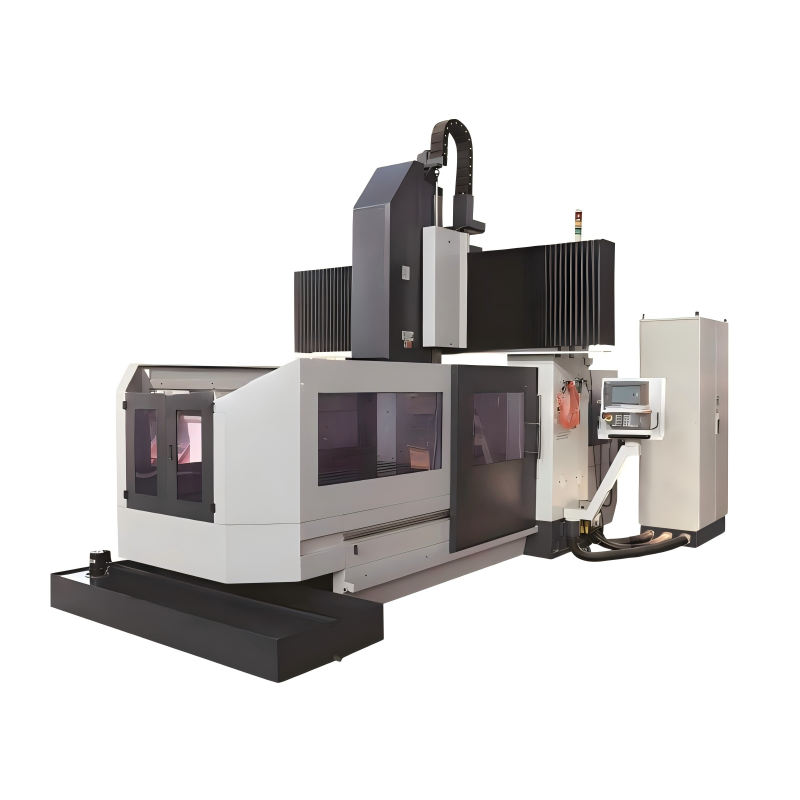
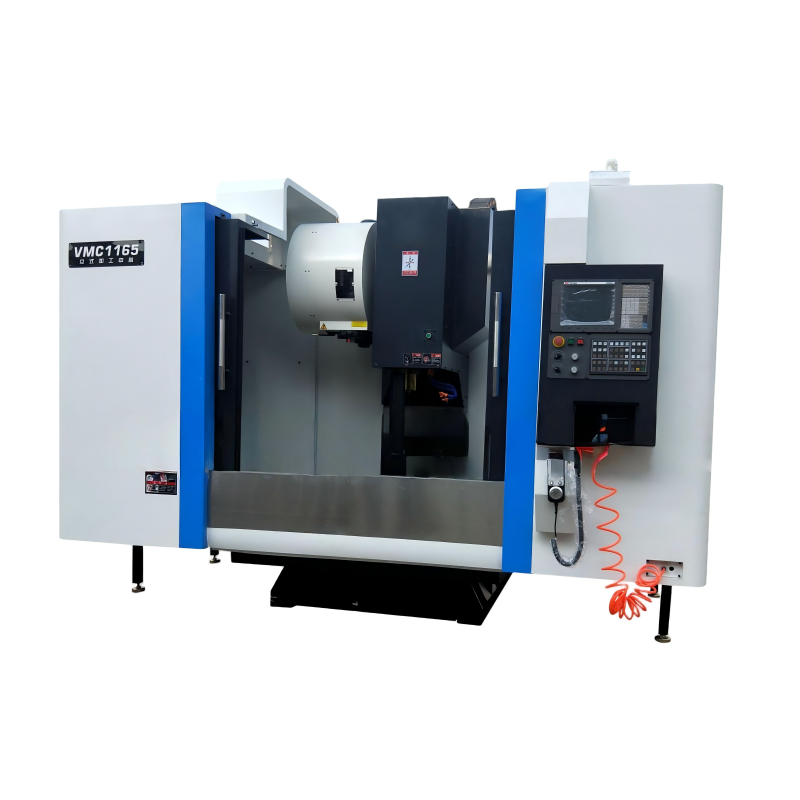
A Heavy-Duty Milling Machine is a critical piece of equipment in many manufacturing and engineering operations. Its role in producing high-precision parts with complex geometries makes it indispensable. However, like any sophisticated machinery, the heavy-duty milling machine requires regular maintenance to ensure optimal performance and longevity. This section will explore why routine upkeep is not just beneficial but essential for these machines.
The primary reason for maintaining a heavy-duty milling machine regularly lies in its ability to prevent unexpected breakdowns. Unplanned downtime can be costly, disrupting production schedules and potentially leading to loss of business. By adhering to a structured maintenance schedule, operators can identify and address potential issues before they escalate into major problems. This proactive approach not only extends the lifespan of the equipment but also helps in reducing repair costs over time.
Another significant benefit of regular maintenance is improved safety. A well-maintained machine operates more smoothly and predictably, reducing the risk of accidents. For instance, worn-out cutting tools or loose components can pose serious hazards to operators. Regular inspections and timely replacements of such parts are crucial in creating a safer working environment. Additionally, maintenance activities often include checking for fluid leaks, which if left unchecked, could lead to fire hazards or environmental pollution.
In summary, regular maintenance of a heavy-duty milling machine contributes to operational efficiency, cost savings, and enhanced workplace safety. It ensures that the machine remains in top condition, ready to tackle even the most demanding tasks with precision and reliability.
Effective maintenance of a heavy-duty milling machine involves paying close attention to several key components. Each part has unique requirements that, when met, contribute significantly to the overall performance and longevity of the equipment. In this section, we will delve into the specifics of maintaining some of the most critical elements of a heavy-duty milling machine.
Cutting Tools: The cutting tools are arguably the most vital part of a milling machine. They directly impact the quality and accuracy of the workpiece. Regular inspection and replacement of dull or damaged cutters are imperative. It's recommended to establish a tool change schedule based on usage frequency and material being milled. Keeping the tools sharp and in good condition not only improves the finish of the machined parts but also reduces the load on the machine, thereby extending its life.
Spindle Assembly: The spindle assembly is responsible for holding and rotating the cutting tool. Any malfunction here can severely affect the machining process. Lubrication of the spindle bearings should be done as per the manufacturer’s guidelines to minimize wear and tear. Periodic checks for signs of play or excessive vibration are also important. If any issues are detected, they must be addressed promptly to avoid further damage.
Way System: The way system, comprising guide ways and slides, supports the movement of the table and other moving parts. These surfaces need to be kept clean and free from debris. Applying a suitable lubricant regularly helps in reducing friction and ensuring smooth operation. Over time, the guide ways may develop wear patterns; therefore, it's advisable to perform periodic alignment checks and adjustments to maintain accuracy.
Coolant System: The coolant system plays an essential role in dissipating heat generated during the milling process. Regular cleaning of the coolant tank and filters prevents contamination and maintains the effectiveness of the coolant. Monitoring the concentration and pH level of the coolant is equally important, as incorrect levels can lead to corrosion or inadequate cooling, both of which can negatively impact the machine's performance.
By focusing on these key components and following the recommended maintenance procedures, operators can significantly enhance the reliability and productivity of their heavy-duty milling machines. Proper care and attention to detail in maintaining these parts will result in a more efficient and long-lasting machine.
Developing and implementing a comprehensive maintenance plan is crucial for maximizing the uptime and efficiency of a heavy-duty milling machine. A well-structured plan should cover all aspects of maintenance, from daily checks to annual overhauls. This section will outline the steps necessary to create and execute an effective maintenance strategy.
Step 1: Establish a Maintenance Schedule
The first step in creating a maintenance plan is to establish a detailed schedule. This schedule should include daily, weekly, monthly, quarterly, and annual maintenance tasks. Daily checks might involve inspecting the machine for any visible signs of wear or damage, while weekly tasks could include lubricating moving parts and checking fluid levels. Monthly and quarterly tasks might involve more thorough inspections and minor repairs, and annual overhauls would typically include major servicing and component replacements.
Step 2: Train Operators and Maintenance Personnel
Proper training is essential for both operators and maintenance personnel. Operators should be trained to perform basic daily checks and report any issues they notice. Maintenance staff, on the other hand, should be thoroughly trained in the specific maintenance procedures for the heavy-duty milling machine. This includes understanding the manufacturer’s guidelines, using the correct tools and techniques, and knowing how to troubleshoot common problems.
Step 3: Maintain Accurate Records
Keeping accurate and up-to-date records of all maintenance activities is crucial. This documentation should include dates of service, tasks performed, parts replaced, and any issues encountered and resolved. These records serve as a valuable reference for future maintenance and can help in identifying recurring problems or trends. Additionally, having a well-documented maintenance history can be beneficial for warranty claims and compliance with industry standards.
Step 4: Use Quality Replacement Parts and Consumables
Using high-quality replacement parts and consumables is essential for maintaining the performance and reliability of the machine. Always source parts from reputable suppliers and, where possible, use original equipment manufacturer (OEM) parts. Inferior or non-OEM parts may not meet the same standards and can lead to suboptimal performance or even failure of the machine. Similarly, using the correct type and grade of lubricants, coolants, and other fluids is crucial for the proper functioning of the machine.
Step 5: Conduct Regular Performance Evaluations
Periodically evaluating the performance of the heavy-duty milling machine is an important part of the maintenance plan. This can include conducting tests to measure the machine’s accuracy, speed, and power output. Comparing these results with baseline data can help in identifying any decline in performance and taking corrective actions. Additionally, involving a third-party expert for a comprehensive evaluation can provide an unbiased assessment and recommendations for improvement.
By following these steps and implementing a comprehensive maintenance plan, operators can ensure that their heavy-duty milling machine operates at peak performance, with minimal downtime and maximum efficiency. A well-maintained machine not only enhances productivity but also provides a safer and more reliable working environment.
 28/06/2026
Heavy-duty milling machines have long been a cornerstone of industrial manufacturing, offering unparalleled precision and versatility in the processing of various materials. This report delves into the diverse applications and capabilities of these robust
Read More26/06/2026Understanding the Capabilities of Heavy-Duty Milling MachinesHeavy-duty milling machines are essential tools in the manufacturing and engineering industries, capable of handling large, complex parts with high precision. These machines come equipped with p
Read More25/06/2026Heavy-duty milling machines play a crucial role in the manufacturing industry, providing the capability to process large and complex parts with high precision. Understanding the capabilities of a heavy-duty milling machine is essential for manufacturers a
Read MoreOur professional sales team is always ready to assist you.