When it comes to machining, the Vertical Milling Machine Center is a versatile and essential piece of equipment. However, the effectiveness of your milling operations largely depends on the tools you choose. This report aims to guide you through the process of selecting the right tools for your vertical milling machine, ensuring optimal performance and efficiency.
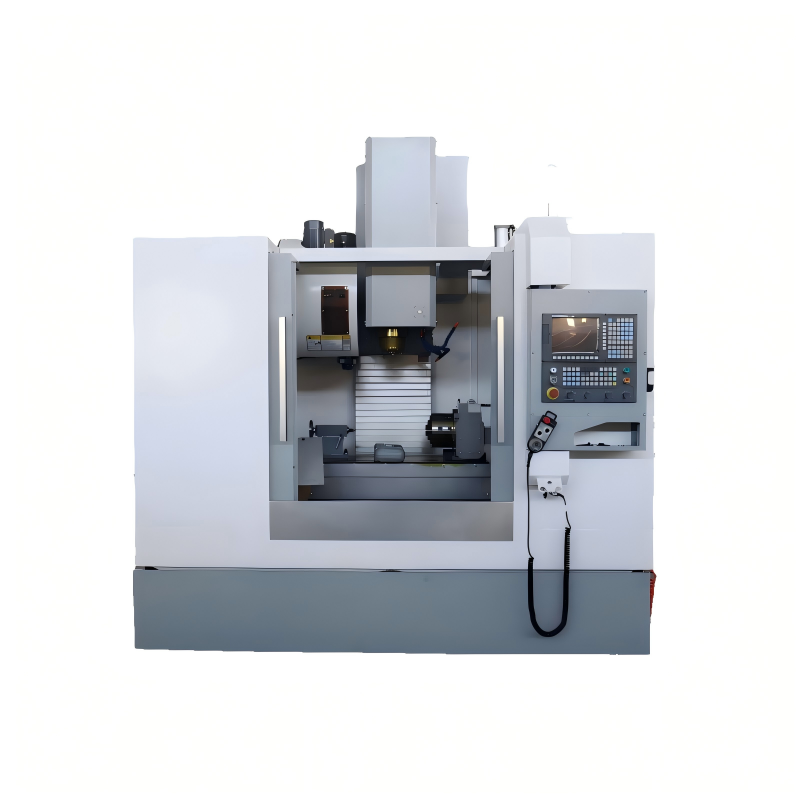
A Vertical Milling Machine Center is designed to perform a wide range of operations, from simple drilling and cutting to more complex tasks like contouring and profiling. The machine's versatility makes it a popular choice in various industries, including automotive, aerospace, and manufacturing. To fully leverage the capabilities of your vertical milling machine, it is crucial to understand its basic components and how they interact with the tools.
The primary components of a vertical milling machine include the spindle, table, and knee. The spindle holds the tool and rotates at high speeds, while the table moves the workpiece in the X and Y directions. The knee, which supports the table, can be adjusted vertically to change the Z-axis position. Understanding these components will help you select tools that are compatible and effective for your specific needs.
The material of the tool is one of the most critical factors in determining its performance and longevity. Common tool materials include High-Speed Steel (HSS), Carbide, and Ceramic. Each material has its own set of advantages and disadvantages, and the right choice depends on the type of material you are machining and the specific requirements of your project.
High-Speed Steel (HSS) is a popular choice for general-purpose milling due to its toughness and ability to withstand high temperatures. HSS tools are suitable for machining softer materials like aluminum and plastics. However, they may not be as durable when used on harder materials like steel or titanium.
Carbide tools, on the other hand, offer superior hardness and wear resistance, making them ideal for machining hard and abrasive materials. They can maintain their cutting edge at higher temperatures, resulting in longer tool life and better surface finishes. However, carbide tools are more brittle and require careful handling to avoid chipping or breaking.
Ceramic tools are the hardest and most heat-resistant, making them suitable for high-speed machining of very hard materials. They can achieve very fine surface finishes but are also the most expensive and fragile. Ceramic tools are best reserved for specialized applications where their unique properties are necessary.
The geometry of the tool, including the number of flutes, helix angle, and cutting edge, plays a significant role in the quality and efficiency of the machining process. The right tool geometry can improve chip evacuation, reduce heat generation, and enhance surface finish.
Number of Flutes: The number of flutes on a tool affects the feed rate and chip clearance. Tools with fewer flutes (e.g., 2-flute) are better for soft materials and high-speed machining, as they allow for faster chip removal. Tools with more flutes (e.g., 4-flute) are better for harder materials and provide a smoother surface finish.
Helix Angle: The helix angle determines the direction and speed of chip flow. A higher helix angle (e.g., 45°) is suitable for softer materials and provides a smoother cut with less vibration. A lower helix angle (e.g., 30°) is better for harder materials and offers more rigidity and stability.
Cutting Edge: The sharpness and design of the cutting edge affect the tool's ability to penetrate the material and produce a clean cut. For example, a sharp, positive rake angle is ideal for soft materials, while a negative rake angle is better for harder materials, providing more strength and durability.
To achieve the best results with your vertical milling machine, it is essential to optimize the cutting parameters, including the speed, feed rate, and depth of cut. These parameters should be carefully selected based on the material being machined, the tool material, and the desired surface finish.
Speed (RPM): The speed at which the tool rotates is determined by the material and the tool's diameter. Higher speeds are generally used for softer materials, while lower speeds are better for harder materials. The optimal speed can be calculated using the manufacturer's recommendations and the specific properties of the material.
Feed Rate (IPM): The feed rate is the speed at which the workpiece moves relative to the tool. It should be adjusted based on the material, tool geometry, and desired surface finish. A higher feed rate can increase productivity but may also lead to increased tool wear and a rougher surface finish.
Depth of Cut (DOC): The depth of cut is the amount of material removed in a single pass. It should be balanced to ensure efficient material removal without overloading the tool. A deeper cut can be more productive but may also generate more heat and stress on the tool.
By carefully considering these parameters, you can optimize the performance of your vertical milling machine and achieve the desired results efficiently and effectively.
Proper maintenance and care of your milling tools are essential to ensure their longevity and consistent performance. Regular inspection, cleaning, and sharpening can help prevent premature wear and extend the life of your tools.
Inspection: Regularly inspect your tools for signs of wear, such as chipped or dull edges, cracks, or excessive wear. Replace or repair any damaged tools to avoid compromising the quality of your work.
Cleaning: After each use, clean the tools to remove any chips, coolant, or debris. Use a soft brush or compressed air to gently remove any residue. Proper cleaning helps prevent corrosion and ensures that the tools are ready for the next use.
Sharpening: Sharpening your tools can restore their cutting edge and improve their performance. Depending on the tool material, you may need to use different methods, such as grinding or honing. Follow the manufacturer's guidelines for the best results.
By following these maintenance practices, you can ensure that your tools remain in top condition and continue to deliver high-quality results.
In conclusion, selecting the right tools for your vertical milling machine center is a critical step in achieving optimal performance and efficiency. By understanding the basics of the machine, choosing the appropriate tool material, matching the tool geometry to your application, optimizing cutting parameters, and maintaining your tools, you can maximize the potential of your vertical milling machine and produce high-quality parts consistently.
 28/06/2026
The evolution of manufacturing technology has brought about significant advancements in the field of machining, with vertical milling machine centers playing a crucial role in this transformation. These machines are not only versatile but also highly effi
Read More26/06/2026IntroductionThe vertical milling machine center, also known as a VMC, is an essential piece of equipment in the manufacturing and machining industry. It is used for various operations such as cutting, drilling, and shaping materials with high precision. T
Read More25/06/2026The vertical milling machine center is a versatile piece of equipment widely used in the manufacturing industry for its precision and efficiency. This technical report aims to provide a comprehensive understanding of the basics of a vertical milling machi
Read MoreOur professional sales team is always ready to assist you.