Introduction to Turning Hard Rail CNC Lathes
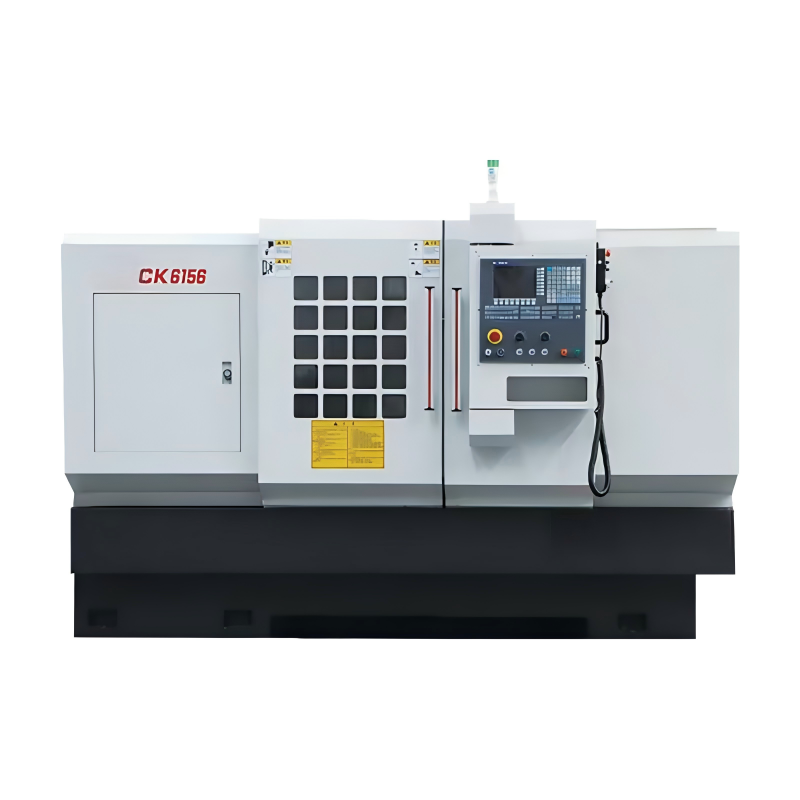
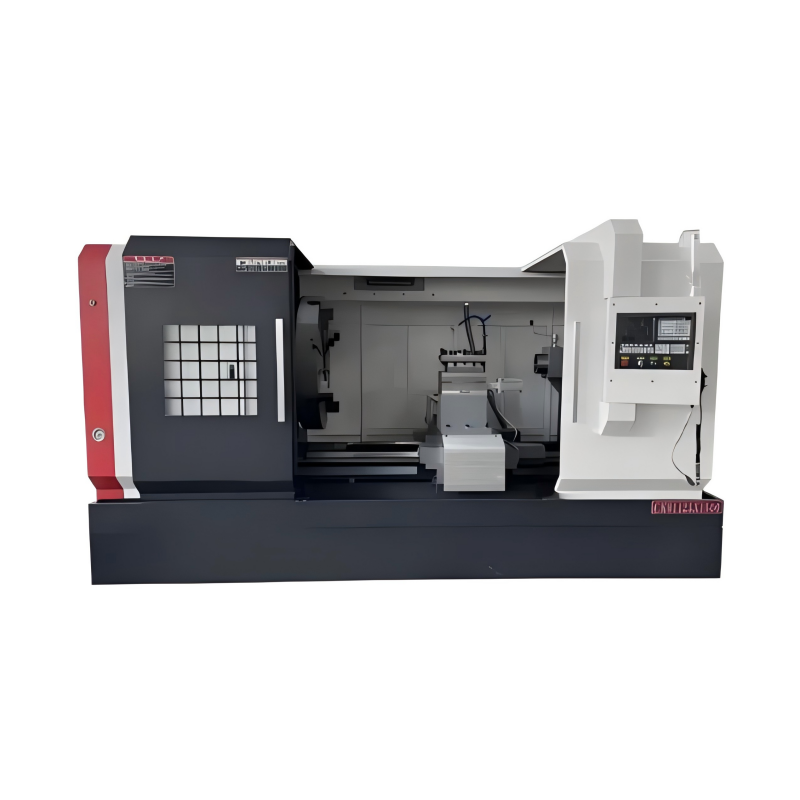
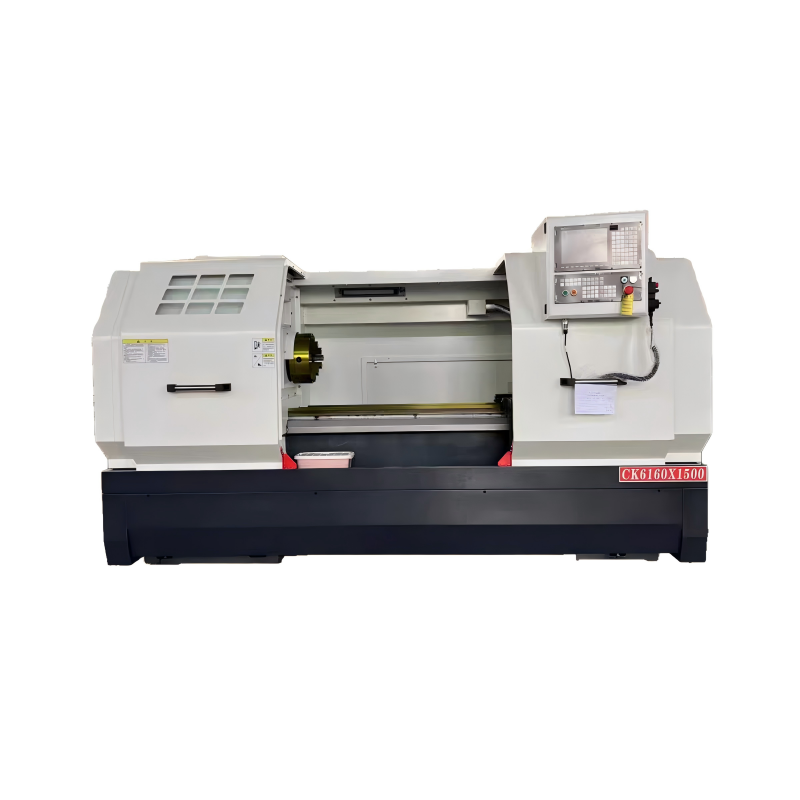
The turning hard rail CNC Lathe represents a significant advancement in the field of precision machining. This type of machine is designed with a robust, rigid structure that enhances its ability to handle high-precision and heavy-duty tasks. The hard rail design provides increased stability and durability, making it an ideal choice for industries requiring consistent and reliable performance.
Advantages of Using a Turning Hard Rail CNC Lathe
One of the primary advantages of using a turning hard rail CNC lathe is its exceptional rigidity. The hard rail design ensures that the machine can maintain its accuracy even under heavy loads and high-speed operations. This rigidity is crucial for achieving precise cuts and maintaining tight tolerances, which are essential in many manufacturing processes.
Another key advantage is the enhanced durability of the machine. The hard rails are made from high-quality materials that resist wear and tear, ensuring a longer lifespan and reduced maintenance costs. This makes the turning hard rail CNC lathe a cost-effective solution for long-term production needs.
Additionally, the turning hard rail CNC lathe offers improved vibration control. The rigid structure minimizes vibrations during operation, leading to smoother and more accurate cuts. This is particularly beneficial for complex and intricate machining tasks where even minor vibrations can affect the final product quality.
Applications of Turning Hard Rail CNC Lathes
Turning hard rail CNC lathes find applications in a wide range of industries, including automotive, aerospace, and medical device manufacturing. In the automotive industry, these machines are used to produce high-precision components such as engine parts, gears, and shafts. The ability to handle large workpieces and maintain tight tolerances makes them indispensable in this sector.
In the aerospace industry, turning hard rail CNC lathes are utilized for machining critical components such as turbine blades, landing gear parts, and structural components. The high-precision and reliability of these machines ensure that the parts meet the stringent quality standards required in aerospace applications.
Medical device manufacturing also benefits significantly from the use of turning hard rail CNC lathes. These machines are used to produce surgical instruments, implants, and other medical devices that require high precision and surface finish. The ability to achieve complex geometries and maintain strict tolerances is crucial in this field, where the quality of the final product can directly impact patient outcomes.
Technological Advancements in Turning Hard Rail CNC Lathes
Recent technological advancements have further enhanced the capabilities of turning hard rail CNC lathes. One such advancement is the integration of advanced control systems and software. Modern CNC lathes are equipped with sophisticated control systems that offer features such as real-time monitoring, predictive maintenance, and automated tool changes. These features not only improve the efficiency of the machining process but also reduce downtime and operational costs.
Another significant advancement is the use of advanced materials for the construction of the hard rails. High-strength alloys and composite materials are now being used to create even more durable and stable rails. These materials offer improved resistance to wear and corrosion, extending the lifespan of the machine and reducing the need for frequent replacements.
Additionally, the incorporation of multi-axis capabilities has expanded the versatility of turning hard rail CNC lathes. Multi-axis machines can perform a wider range of operations, including milling, drilling, and tapping, in addition to turning. This versatility allows manufacturers to complete complex parts in a single setup, reducing the need for multiple machines and improving overall productivity.
Conclusion
The turning hard rail CNC lathe is a powerful tool for precision machining, offering numerous advantages such as increased rigidity, durability, and vibration control. Its applications span across various industries, from automotive and aerospace to medical device manufacturing. With ongoing technological advancements, these machines continue to evolve, providing even greater precision, efficiency, and versatility. As the demand for high-precision components continues to grow, the turning hard rail CNC lathe will remain a vital asset in the manufacturing landscape.
 05/06/2026



