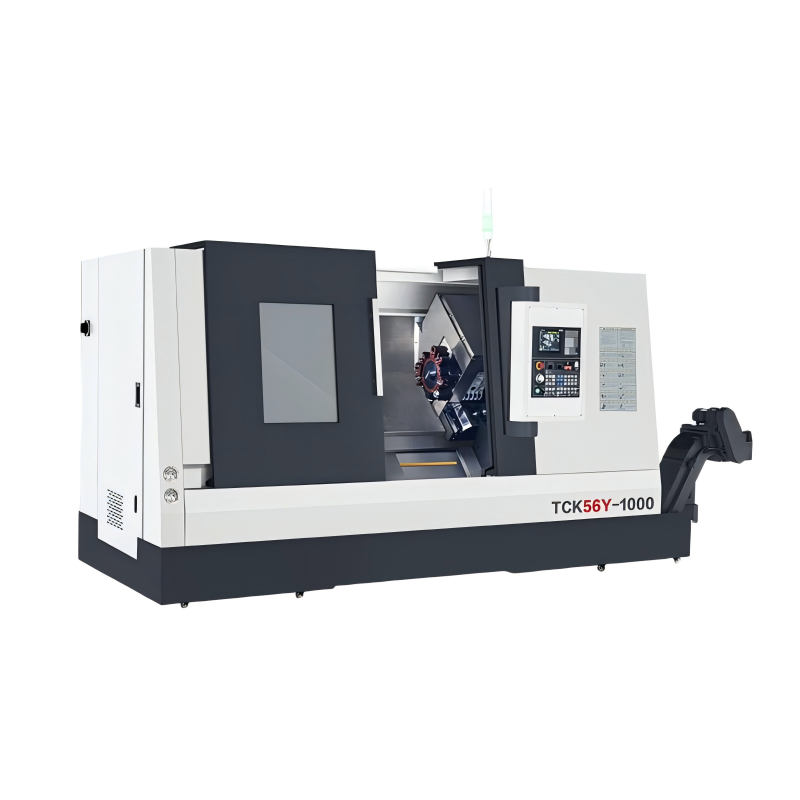
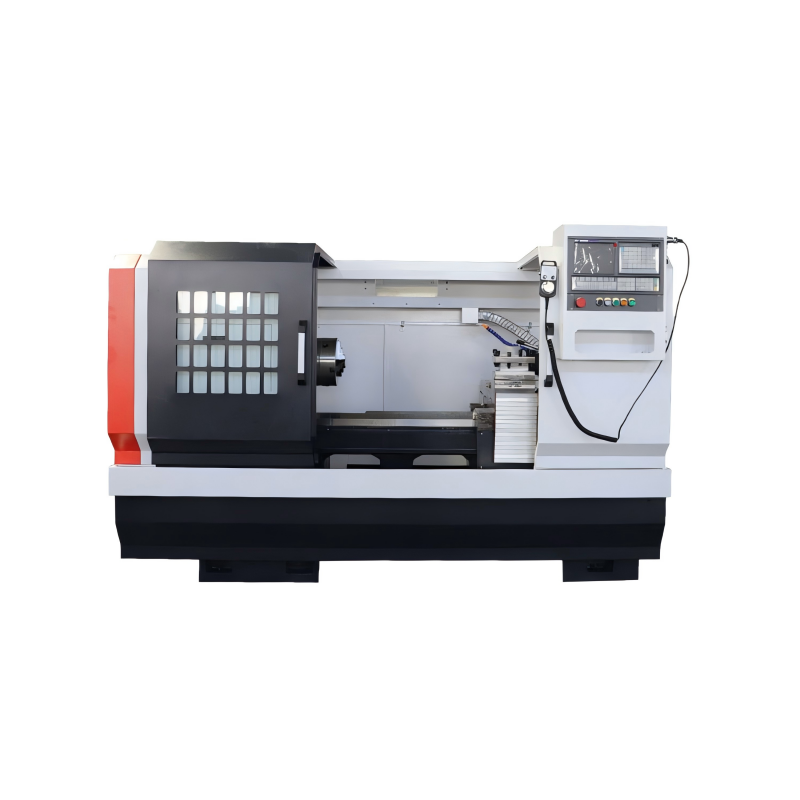
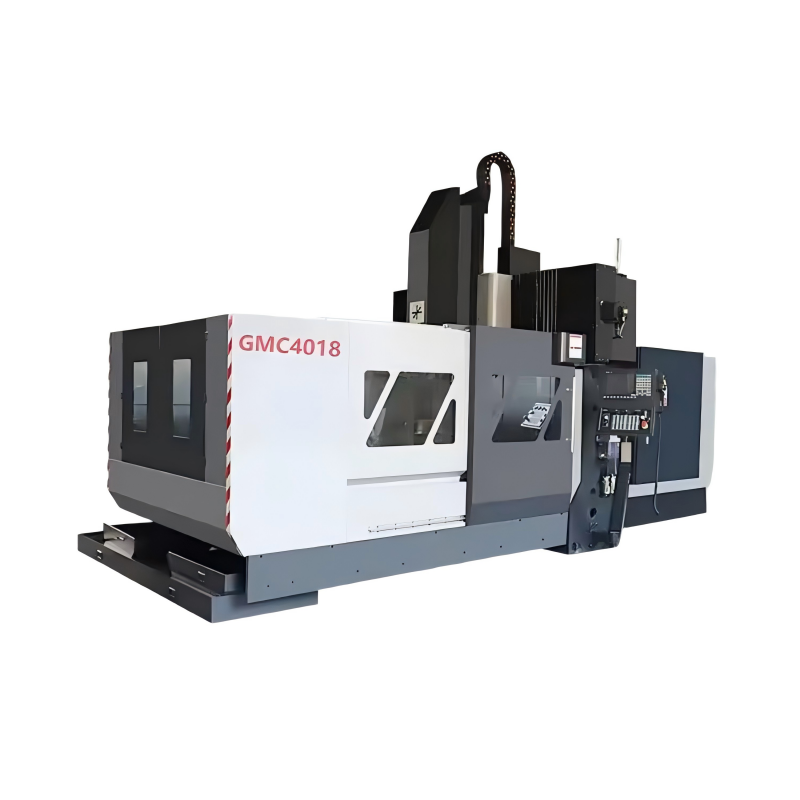
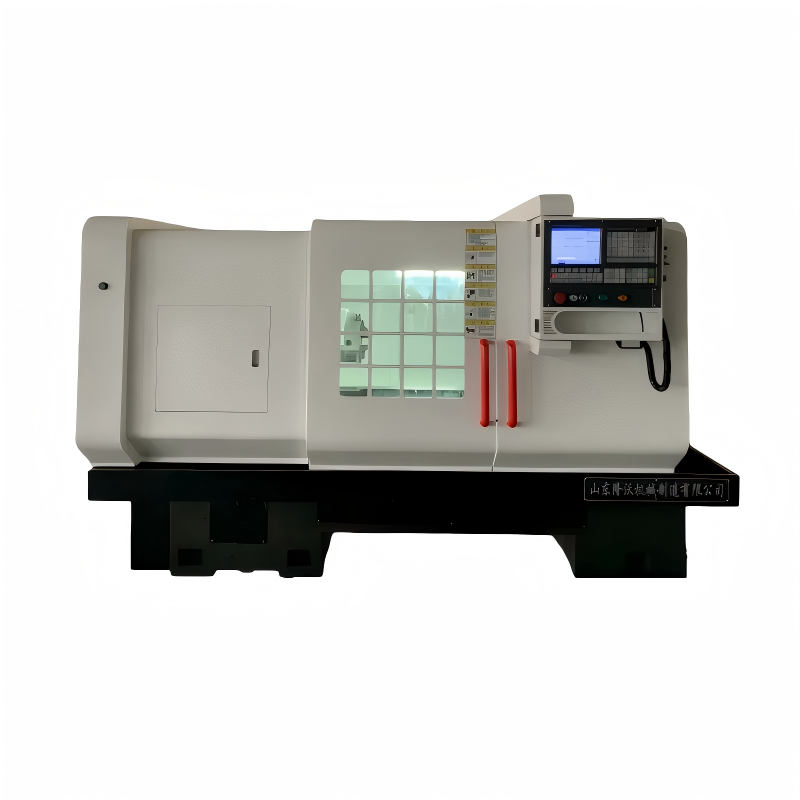
In the world of manufacturing, precision and efficiency are paramount. Among the tools that have revolutionized this field, the Vertical Machining Center Lathe Machine stands out as a versatile and indispensable piece of equipment. This article aims to guide you from being a novice to a professional in operating such machines, focusing on three key areas: understanding the basics, mastering the techniques, and ensuring safety and maintenance.
A lathe machine is essentially a tool that rotates a workpiece against a cutting tool to shape it. The Vertical Machining Center Lathe Machine, in particular, is designed for high-precision and high-efficiency machining. It consists of several key components, including the headstock, tailstock, carriage, and cutting tools. Each component plays a crucial role in the machining process, and understanding their functions is the first step towards mastering the art of lathe operation.
Lathes can perform a wide range of operations, from turning and facing to threading and drilling. Each operation requires specific settings and techniques. For example, turning involves shaping the outer surface of the workpiece, while threading is used to create screw threads. Understanding the different types of operations and their applications is essential for efficient and effective machining.
Proper setup is critical for achieving accurate and consistent results. This includes aligning the workpiece, setting the correct speed and feed rates, and selecting the appropriate cutting tools. The Vertical Machining Center Lathe Machine offers advanced features like CNC (Computer Numerical Control) that allow for precise control over these parameters. Learning how to use these features effectively will greatly enhance your machining capabilities.
As you gain experience, you can explore more advanced techniques such as taper turning, knurling, and form turning. Taper turning, for instance, involves creating a conical surface on the workpiece, which is useful in various applications. Knurling, on the other hand, is used to create a patterned surface for better grip. Mastering these techniques will not only improve your skill set but also expand the range of projects you can undertake.
Operating a lathe machine, especially a Vertical Machining Center Lathe Machine, comes with inherent risks. It is crucial to follow safety protocols to prevent accidents. This includes wearing appropriate personal protective equipment (PPE), such as safety glasses and gloves, and ensuring that the machine is properly guarded. Additionally, always check the workpiece and tools for any signs of wear or damage before starting the operation.
Regular maintenance is essential to keep the machine in optimal condition and extend its lifespan. This includes cleaning the machine, lubricating moving parts, and checking for any loose or worn-out components. In case of any issues, troubleshooting skills are invaluable. Common problems include tool chatter, uneven cuts, and machine vibrations. Knowing how to diagnose and fix these issues will save time and ensure smooth operation.
By following these guidelines, you can progress from a novice to a proficient operator of the Vertical Machining Center Lathe Machine. Mastery of the basics, advanced techniques, and safety practices will not only enhance your skills but also contribute to the overall efficiency and productivity of your machining operations.
 04/06/2026
In the world of manufacturing, a high-performance lathe machine, particularly when integrated into a vertical machining center (VMC), can significantly enhance productivity. This article will explore how to maximize productivity with such a setup, focusin
Read More03/06/2026IntroductionThe evolution of manufacturing technologies has significantly transformed the production landscape, with Vertical Machining Center Lathe Machine playing a crucial role in this transformation. These advanced machines have become indispensable t
Read More02/06/2026In the realm of manufacturing, the ability to customize machinery for specific tasks is a critical factor in achieving optimal performance and efficiency. This report delves into the customization process of a Vertical Machining Center Lathe Machine, focu
Read More01/06/2026The field of manufacturing technology has witnessed significant advancements, particularly in the domain of vertical machining center lathe machines. These innovations not only enhance productivity and precision but also contribute to more sustainable and
Read More30/05/2026Introduction to Vertical Machining Center Lathe Machine The vertical machining center lathe machine, often abbreviated as VMC, represents a significant advancement in the field of precision manufacturing. Unlike traditional lathes, which are primarily use
Read More29/05/2026In the domain of manufacturing, the Vertical Machining Center Lathe Machine stands out as a critical piece of equipment for producing precision parts. Its efficiency and accuracy make it indispensable in numerous industries, from automotive to aerospace.
Read More28/05/2026IntroductionThe vertical machining center (VMC) is a pivotal tool in the realm of precision manufacturing, offering unparalleled accuracy and versatility. This report delves into advanced techniques that can be employed to maximize the potential of a Vert
Read More27/05/2026IntroductionWhen it comes to outfitting a workshop, selecting the right lathe machine is a critical decision. A lathe is an essential tool for turning, facing, drilling, and threading operations. This guide aims to provide a comprehensive overview of how
Read More26/05/2026Understanding the Core Capabilities of a Vertical Machining Center A vertical machining center (VMC) is an essential tool in modern manufacturing, offering unparalleled precision and versatility. By leveraging the full potential of your VMC, you can signi
Read MoreOur professional sales team is always ready to assist you.