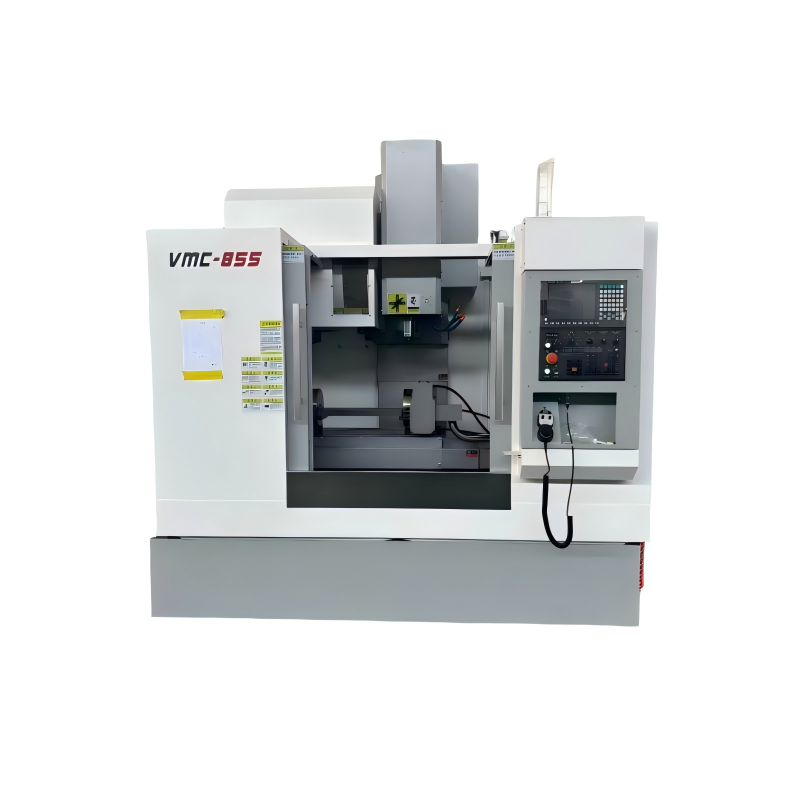
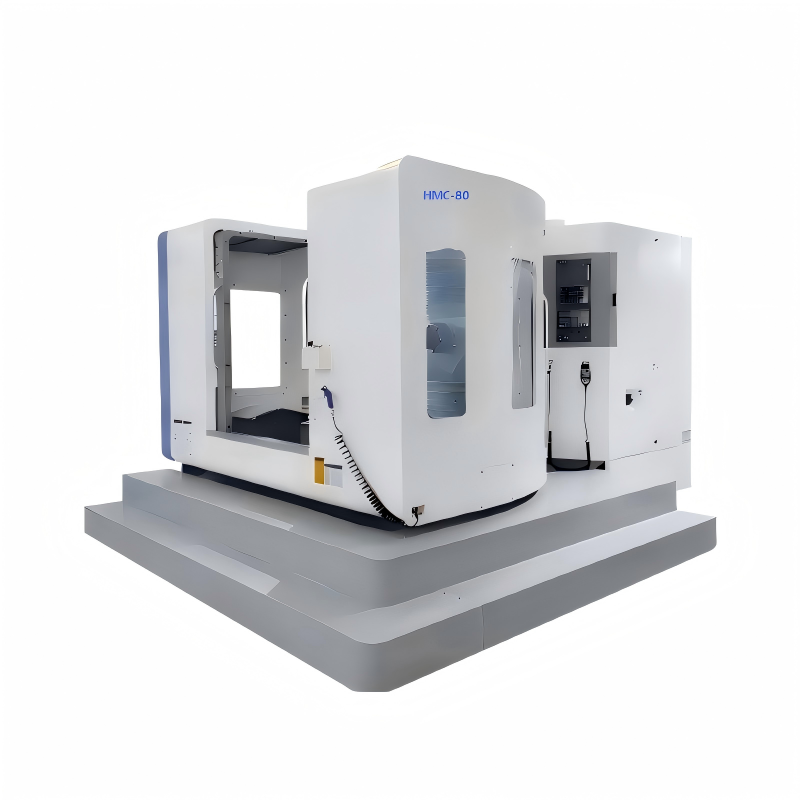
In the rapidly evolving landscape of manufacturing, the integration of high-speed vertical Machining Centers (HVMCs) has emerged as a pivotal force, particularly within the automotive industry. This technological advancement is not only enhancing productivity and precision but also paving the way for more sustainable and efficient production processes. This report delves into how HVMCs are transforming the automotive sector, exploring their impact on efficiency, quality, and innovation.
The adoption of high-speed Vertical Machining Centers in automotive manufacturing has significantly boosted productivity. These machines are designed to operate at much higher speeds than traditional machining centers, enabling faster material removal rates and shorter cycle times. The increased speed is complemented by advanced control systems that ensure precise and consistent results, even at high velocities. This combination of speed and accuracy allows manufacturers to produce parts more quickly without compromising on quality, leading to higher output and reduced lead times.
Furthermore, the ability of HVMCs to perform multiple operations in a single setup reduces the need for frequent tool changes and part repositioning. This not only saves time but also minimizes the potential for errors that can occur during manual interventions. The result is a streamlined production process that maximizes efficiency and throughput, making it possible to meet the growing demand for automotive components with greater agility.
High-speed vertical machining centers are equipped with state-of-the-art features that enhance the quality and consistency of machined parts. Advanced spindle designs, coupled with high-precision linear guides and ball screws, ensure minimal vibration and thermal expansion, which are critical factors in achieving tight tolerances. Additionally, these machines often incorporate real-time monitoring and feedback systems that continuously adjust parameters to maintain optimal performance, further contributing to the overall quality of the finished product.
Moreover, the use of HVMCs enables the implementation of automated inspection and quality control processes. Integrated sensors and measurement tools can detect and correct deviations in real-time, ensuring that each part meets the required specifications. This level of automation and precision is essential in the automotive industry, where even the slightest imperfection can have significant consequences. By leveraging the capabilities of HVMCs, manufacturers can deliver components that are not only highly accurate but also consistently reliable, thereby enhancing the overall quality of the vehicles they produce.
One of the key advantages of high-speed vertical machining centers is their flexibility, which supports innovation in the automotive industry. These machines can handle a wide range of materials, from aluminum and steel to composites and exotic alloys, making them versatile tools for various applications. This versatility is particularly valuable in an industry that is constantly pushing the boundaries of design and engineering, requiring the ability to work with new and challenging materials.
Additionally, HVMCs support the development of complex and intricate parts, which are becoming increasingly common in modern vehicle designs. The high-speed capabilities and multi-axis configurations of these machines enable the creation of parts with intricate geometries and fine details, which would be difficult or impossible to achieve with conventional machining methods. This capability opens up new possibilities for innovation, allowing engineers to design and produce components that are lighter, stronger, and more efficient, ultimately contributing to the development of next-generation vehicles.
Furthermore, the integration of advanced software and digital technologies, such as CAD/CAM systems and simulation tools, enhances the flexibility of HVMCs. These tools allow for rapid prototyping and iterative design, enabling manufacturers to test and refine new ideas quickly and efficiently. This agile approach to manufacturing is crucial in an industry that is driven by continuous improvement and the need to stay ahead of the competition.
The introduction of high-speed vertical machining centers has had a transformative impact on the automotive industry, driving improvements in productivity, quality, and innovation. By enabling faster and more precise manufacturing processes, these machines are helping manufacturers meet the increasing demands of the market while maintaining high standards of quality. Moreover, the flexibility and versatility of HVMCs support the development of innovative and complex components, positioning the automotive industry at the forefront of technological advancement. As the industry continues to evolve, the role of high-speed vertical machining centers will undoubtedly become even more critical, shaping the future of automotive manufacturing.
 29/06/2026
Introduction to High-Speed Vertical Machining Centers A high-speed vertical machining center is a critical tool in modern manufacturing, designed to deliver both precision and efficiency. These machines are capable of performing complex operations at high
Read More27/06/2026IntroductionThe high-speed vertical machining center (HVMC) has emerged as a critical tool in the aerospace industry, offering unparalleled precision and efficiency in manufacturing complex components. This report delves into the capabilities of HVMCs, hi
Read More26/06/2026In the ever-evolving landscape of precision engineering, high-speed vertical machining centers (VMCs) have emerged as a pivotal technology. These advanced machines are not only redefining the boundaries of manufacturing efficiency but also setting new sta
Read More25/06/2026In the realm of modern manufacturing, advancements in technology have consistently pushed the boundaries of efficiency and precision. Among these innovations, the high-speed vertical machining center has emerged as a pivotal tool, transforming traditional
Read MoreOur professional sales team is always ready to assist you.