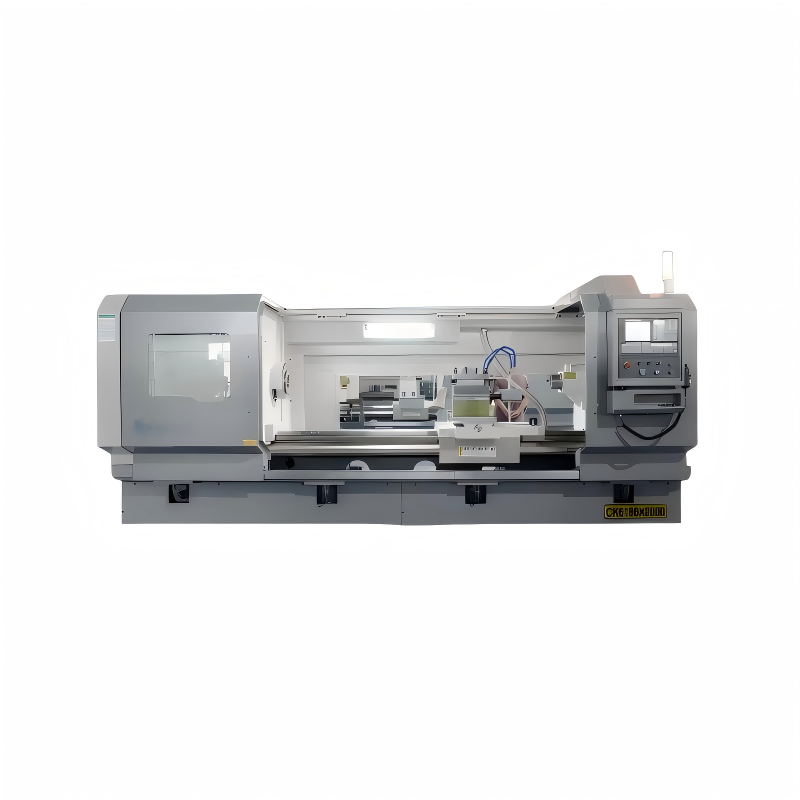
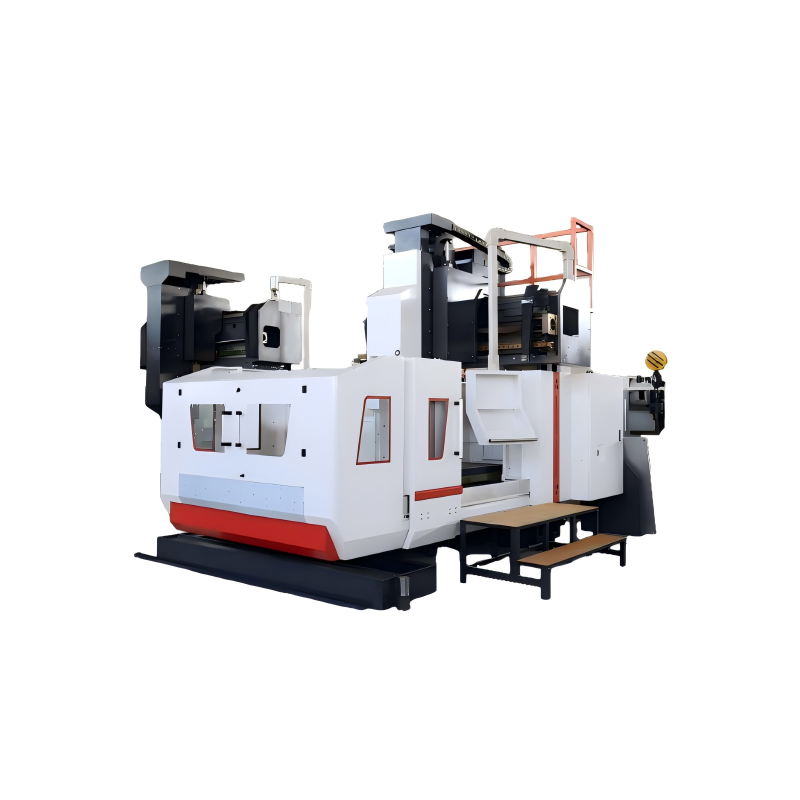
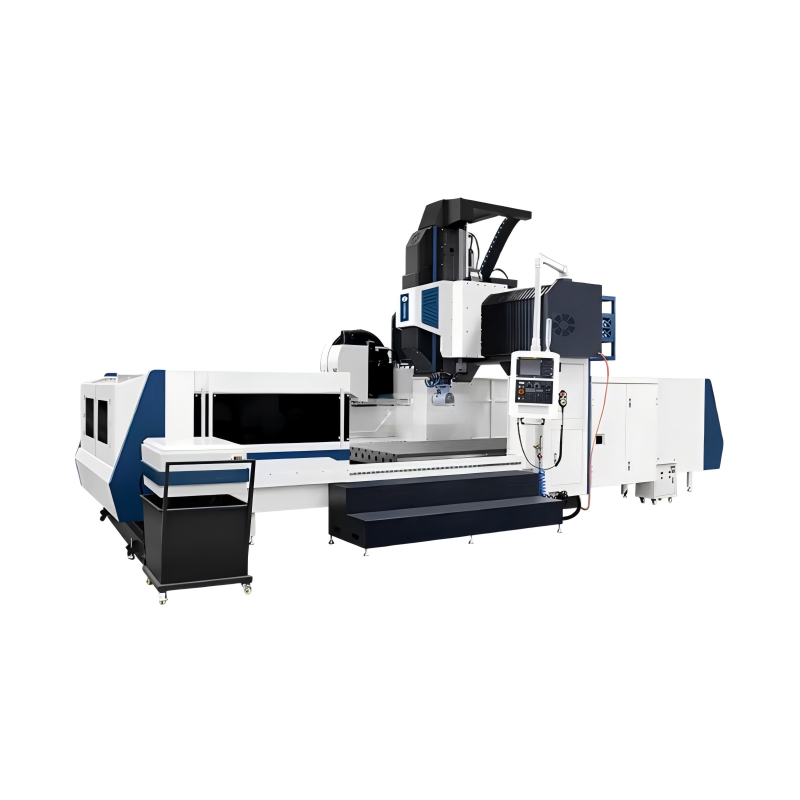
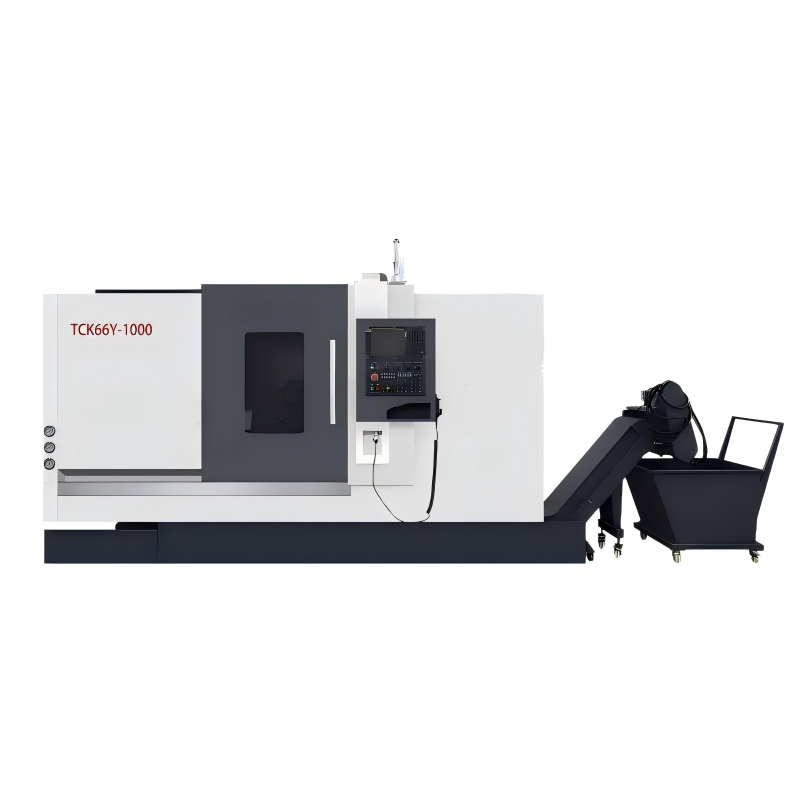
The journey to selecting the right CNC (Computer Numerical Control) milling machine for your workshop begins with understanding what these machines are and how they operate. A CNC Milling Machine is an automated tool that uses computer instructions to move tools around a workpiece, cutting away material to create parts or products. The versatility of these machines makes them indispensable in modern manufacturing, capable of producing everything from simple components to complex 3D shapes. Key features include precision, repeatability, and the ability to perform operations continuously without human intervention, once programmed.
It's crucial to grasp the basic components of a CNC milling machine before making a purchase. These typically include the machine frame, spindle, axis systems (X, Y, Z), control system, and the tool changer. Understanding how each component contributes to the overall functionality can help you identify which specifications are most relevant to your needs. For instance, the spindle speed and power will significantly affect the types of materials you can work with, while the number of axes determines the complexity of designs you can produce.
When choosing a CNC milling machine, it's essential to start by evaluating the specific requirements of your workshop. This involves considering several key factors that will influence the suitability of any potential machine. Firstly, consider the scale of production. Are you looking to produce small batches or mass-manufacture items? The answer will guide you towards either a compact desktop model or a larger industrial-grade machine.
Material compatibility is another critical factor. Different CNC milling machines are designed to handle different materials, ranging from soft plastics to hard metals like titanium. It's important to select a machine that not only supports the materials you currently use but also has the capacity to process additional materials should your business expand into new areas. Additionally, think about the maximum size of the workpieces you plan to manufacture, as this will dictate the required working envelope of the machine.
Lastly, don't overlook the importance of software compatibility and ease of programming. An intuitive user interface and support for popular CAD/CAM software can greatly enhance productivity. Some machines come bundled with proprietary software, which may offer advantages in terms of integration and support, but could limit flexibility if you prefer using third-party applications. Evaluate whether the machine offers sufficient training resources and customer support, especially if you or your team are new to CNC technology.
Investing in a CNC milling machine represents a significant financial commitment, so it's vital to conduct a thorough cost analysis. While it might be tempting to opt for the least expensive option, focusing solely on upfront costs can lead to higher long-term expenses. Instead, aim to find a balance between budget and value, taking into account both initial purchase price and ongoing operational costs.
Initial costs encompass not just the price of the machine itself but also installation, setup, and any necessary modifications to your workshop. Look for suppliers who offer comprehensive packages, including training, maintenance, and warranty coverage. This can provide peace of mind and reduce unexpected expenses down the line. Additionally, consider the availability and cost of consumables, such as cutting tools and lubricants, as these recurring expenses can add up over time.
Operational costs involve energy consumption, maintenance, and labor. Energy-efficient models can save you money in the long run, and some manufacturers offer energy-saving features like automatic shutdown when the machine is idle. Regular maintenance is crucial to ensure optimal performance and longevity, so inquire about the recommended maintenance schedule and associated costs. Lastly, consider the impact on labor. A more advanced machine might require less operator intervention, potentially reducing labor costs, but it may also necessitate specialized training.
Once you have narrowed down your options based on your workshop’s needs and budget, the next step is to evaluate the performance and reliability of the CNC milling machines you are considering. Machine performance is a broad category that includes accuracy, speed, and versatility. Accuracy is particularly important, as it directly affects the quality of the final product. Look for machines with high-precision components, such as linear guides and ball screws, which contribute to consistent and reliable results.
Speed is another key performance metric. The faster the machine can complete a task, the more efficient your production process will be. However, speed should not come at the expense of quality. Ensure that the machine can maintain its accuracy even at high speeds. Versatility is also a valuable attribute, especially if you anticipate a variety of projects. Machines with multiple axes and a wide range of spindle speeds can handle a broader array of tasks, from simple drilling to intricate 3D milling.
Reliability is perhaps the most critical aspect to consider, as downtime can be costly. Look for machines with a proven track record of durability and minimal maintenance. Check for user reviews and case studies, and ask the manufacturer for references. Additionally, consider the availability of spare parts and the responsiveness of the manufacturer’s technical support. A reliable machine will not only minimize downtime but also reduce the stress and uncertainty associated with equipment failures.
Choosing the right CNC milling machine for your workshop is a multifaceted decision that requires careful consideration of various factors. By understanding the basics of CNC milling machines, assessing your workshop’s specific needs, conducting a thorough cost analysis, and evaluating machine performance and reliability, you can make an informed choice that aligns with your goals and budget. Remember, the best machine is one that not only meets your current requirements but also provides the flexibility and scalability to support your future growth.
 29/06/2026
In the realm of modern manufacturing, CNC (Computer Numerical Control) milling machines have emerged as a cornerstone for precision and efficiency. These sophisticated devices rely heavily on software to perform their tasks with accuracy and speed. This r
Read More27/06/2026The evolution of CNC Milling Machine technology has been a remarkable journey, marked by continuous innovation and adaptation to the ever-changing demands of manufacturing. From its early beginnings to the sophisticated systems of today, CNC milling machi
Read More26/06/2026The advent of CNC (Computer Numerical Control) milling machines has revolutionized the manufacturing industry, enabling higher precision and efficiency in engineering projects. This report delves into advanced techniques employed with CNC milling machines
Read MoreOur professional sales team is always ready to assist you.