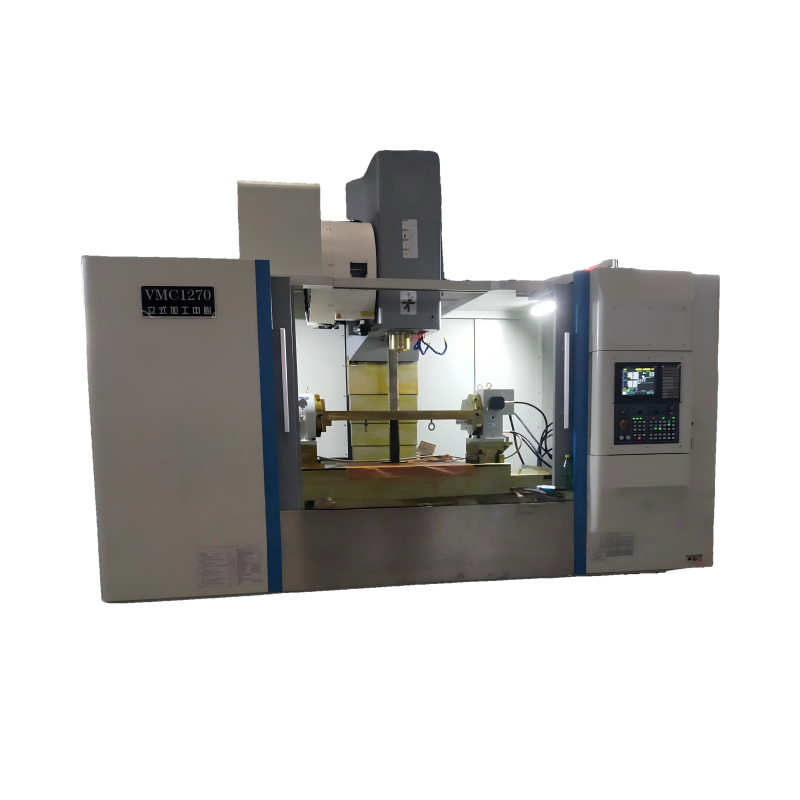
Vertical Milling Machines are indispensable tools in the manufacturing and machining industries, known for their precision and versatility. However, like any other piece of machinery, they require regular maintenance to ensure optimal performance and longevity. In this technical report, we will explore several key maintenance tips that can significantly extend the life of your vertical milling machine.
Regular Lubrication is Crucial
One of the most fundamental aspects of maintaining a vertical milling machine is ensuring that all moving parts are properly lubricated. Over time, the friction between components can lead to wear and tear, which not only reduces the machine's efficiency but also shortens its lifespan. Regularly applying the correct type of lubricant, as specified by the manufacturer, helps to minimize this friction. It is essential to clean the areas around the lubrication points before applying new lubricant to prevent contamination. Additionally, keeping a log of when and where lubrication was applied can help in tracking maintenance schedules and identifying potential issues early on.
Inspect and Replace Worn Parts Promptly
Another critical aspect of maintaining a vertical milling machine is the timely inspection and replacement of worn or damaged parts. Components such as cutting tools, bearings, and belts are subject to high levels of stress and wear during operation. Regular inspections can help identify these worn parts before they cause more significant damage to the machine. For example, dull cutting tools can lead to poor surface finishes and increased cutting forces, which can strain the machine's motors and drive systems. Replacing these tools at the first sign of wear can prevent more extensive and costly repairs down the line. Similarly, checking and replacing worn bearings and belts can prevent sudden failures and maintain the machine's overall performance.
Keep the Machine Clean and Free from Debris
Maintaining a clean working environment is essential for the proper functioning of a vertical milling machine. Dust, chips, and other debris can accumulate on the machine's surfaces and in its internal components, leading to increased wear and potential malfunctions. Regular cleaning, including the use of compressed air to blow out dust and debris from hard-to-reach areas, can help keep the machine running smoothly. Additionally, it is important to ensure that the machine's coolant system is free from contaminants. Contaminated coolant can lead to corrosion and premature wear of the machine's components. Regularly checking and filtering the coolant, as well as replacing it as needed, can help maintain the machine's integrity and performance.
Calibrate and Align the Machine Regularly
Proper calibration and alignment are crucial for the accuracy and precision of a vertical milling machine. Over time, the machine's components can shift or become misaligned due to normal use and environmental factors. This misalignment can lead to inaccuracies in the workpiece and increased wear on the machine's components. Regularly calibrating the machine, including checking and adjusting the spindle, table, and tooling, can help maintain its precision. Additionally, using alignment tools and following the manufacturer's guidelines for calibration can ensure that the machine remains in optimal condition. Keeping detailed records of calibration and alignment checks can also help in tracking the machine's performance over time and identifying any trends or issues that may need attention.
Train and Educate Operators
Finally, one of the most overlooked but essential aspects of maintaining a vertical milling machine is the training and education of its operators. Well-trained operators are better equipped to use the machine correctly, recognize signs of wear and malfunction, and perform basic maintenance tasks. Providing regular training sessions, including both theoretical and practical components, can help ensure that operators are up-to-date with the latest best practices and safety protocols. Additionally, encouraging operators to report any issues or concerns they notice can help in addressing problems early on and preventing more significant breakdowns. A well-informed and trained workforce is a key factor in extending the life of a vertical milling machine and ensuring its continued reliability.
In conclusion, the longevity and performance of a vertical milling machine depend on a combination of regular maintenance, prompt replacement of worn parts, and proper operator training. By following these maintenance tips, you can ensure that your vertical milling machine remains in top condition, providing years of reliable and efficient service.
 29/06/2026



