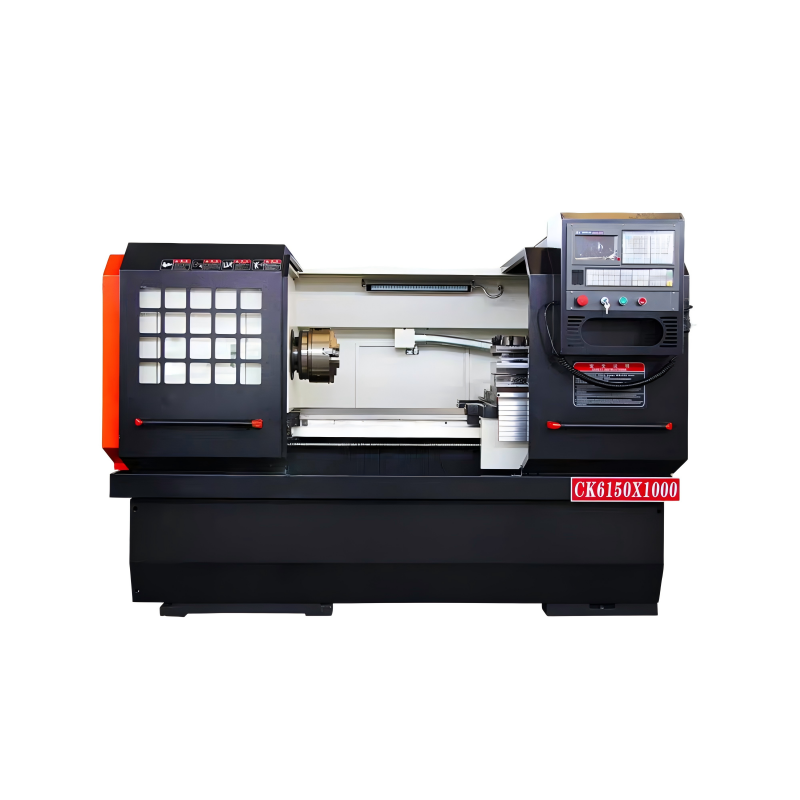
As manufacturing processes continue to evolve, the integration of advanced machinery such as the 2-Axis Slant Bed CNC Lathe has become increasingly critical. This equipment is designed to enhance productivity and precision, making it an indispensable tool for modern manufacturing. In this technical report, we will explore several strategies to maximize efficiency with a 2-Axis Slant Bed CNC Lathe.
The 2-Axis Slant Bed CNC Lathe is a versatile machine that offers exceptional performance in turning operations. The slant bed design provides better chip evacuation and improved rigidity, which are crucial for maintaining high accuracy and surface finish. One of the primary advantages of this lathe is its ability to handle a wide range of materials, from soft metals like aluminum to harder alloys like stainless steel. Understanding the full capabilities of the 2-Axis Slant Bed CNC Lathe is the first step in maximizing its efficiency.
To fully leverage the potential of this machine, operators must be well-versed in its features and functions. For instance, the 2-Axis Slant Bed CNC Lathe often comes equipped with advanced control systems that allow for precise programming and execution of complex operations. Familiarity with these controls, along with the ability to write and optimize G-code, can significantly enhance the machine's performance.
One of the key factors in achieving optimal efficiency with a 2-Axis Slant Bed CNC Lathe is the selection and setup of appropriate tooling. The right tools can reduce machining time, improve surface finish, and extend tool life. High-quality cutting tools, such as carbide inserts, are essential for achieving consistent and reliable results. Additionally, the use of tool holders that provide excellent rigidity and stability can further enhance the machine's performance.
Proper setup is equally important. Ensuring that the workpiece is securely clamped and aligned can prevent errors and reduce the need for rework. The use of vices, chucks, and other workholding devices should be carefully considered to ensure that they are compatible with the 2-Axis Slant Bed CNC Lathe and the specific requirements of the job. Regular maintenance and calibration of the machine and its components are also crucial for maintaining high levels of efficiency.
Advanced programming techniques can significantly enhance the efficiency of a 2-Axis Slant Bed CNC Lathe. Modern CNC lathes support a variety of programming methods, including manual programming, computer-aided manufacturing (CAM) software, and parametric programming. Each method has its advantages, and the choice depends on the complexity of the part and the operator's skill level.
Manual programming, while time-consuming, allows for complete control over the machining process. It is particularly useful for simple parts or when fine-tuning is required. CAM software, on the other hand, can generate highly optimized toolpaths based on the part geometry, material properties, and desired surface finish. This can save a significant amount of time and reduce the risk of errors. Parametric programming, which uses variables and equations, is ideal for repetitive tasks and can be easily modified for different part sizes and configurations.
Furthermore, the use of subroutines and macros can streamline the programming process and make it more efficient. Subroutines allow for the reuse of common code blocks, reducing the overall length of the program and making it easier to manage. Macros enable the creation of custom functions that can perform specific tasks, such as tool changes or coolant activation, with a single command.
Automation and integration are powerful tools for enhancing the productivity of a 2-Axis Slant Bed CNC Lathe. Automated systems, such as bar feeders and robotic arms, can significantly reduce setup times and increase the machine's throughput. Bar feeders, for example, can automatically load and unload workpieces, allowing for continuous operation without the need for manual intervention. Robotic arms can perform tasks such as loading and unloading, as well as part inspection and deburring, further streamlining the production process.
Integration with other manufacturing systems, such as material handling and quality control, can also contribute to increased efficiency. For instance, integrating the 2-Axis Slant Bed CNC Lathe with a material handling system can ensure a steady supply of raw materials, reducing downtime and improving workflow. Quality control systems, such as in-process measurement and inspection, can help detect and correct issues early, preventing the production of defective parts and minimizing waste.
Additionally, the use of data analytics and monitoring systems can provide valuable insights into the machine's performance. Real-time monitoring of key parameters, such as spindle speed, feed rate, and tool wear, can help identify potential issues before they become critical. This proactive approach to maintenance can extend the lifespan of the 2-Axis Slant Bed CNC Lathe and ensure consistent performance over time.
Effective training and continuous improvement are essential for long-term success with a 2-Axis Slant Bed CNC Lathe. Operators and programmers must be trained in the latest techniques and best practices to ensure that they can fully utilize the machine's capabilities. Training programs should cover topics such as machine operation, tooling selection, programming, and maintenance. Regular refresher courses and updates on new technologies and methods can help keep the team's skills up-to-date.
Continuous improvement is also crucial for maintaining and enhancing the efficiency of the 2-Axis Slant Bed CNC Lathe. This can be achieved through regular reviews of the production process, identifying areas for improvement, and implementing changes. Lean manufacturing principles, such as 5S (Sort, Set in Order, Shine, Standardize, Sustain), can help create a more organized and efficient work environment. Kaizen, or continuous improvement, encourages small, incremental changes that can lead to significant improvements over time.
Finally, fostering a culture of collaboration and innovation within the organization can drive further improvements. Encouraging feedback and suggestions from operators and other stakeholders can help identify new opportunities for optimization. By embracing a mindset of continuous learning and improvement, manufacturers can ensure that their 2-Axis Slant Bed CNC Lathe remains a valuable and efficient asset for years to come.
In conclusion, maximizing the efficiency of a 2-Axis Slant Bed CNC Lathe requires a multifaceted approach that includes understanding the machine's capabilities, optimizing tooling and setup, implementing advanced programming techniques, utilizing automation and integration, and investing in training and continuous improvement. By following these strategies, manufacturers can achieve higher productivity, better quality, and a more competitive edge in the market.
 22/06/2026
The 2-Axis Slant Bed CNC Lathe represents a significant advancement in the field of precision manufacturing. This technology has revolutionized how components are machined, offering unparalleled accuracy and efficiency. In this report, we will explore the
Read More22/06/2026In the realm of modern manufacturing, precision and efficiency are paramount. Among the various types of CNC lathes available, the 2-Axis Slant Bed CNC Lathe stands out as a versatile and powerful tool. This article delves into the advantages of the 2-Axi
Read MoreOur professional sales team is always ready to assist you.