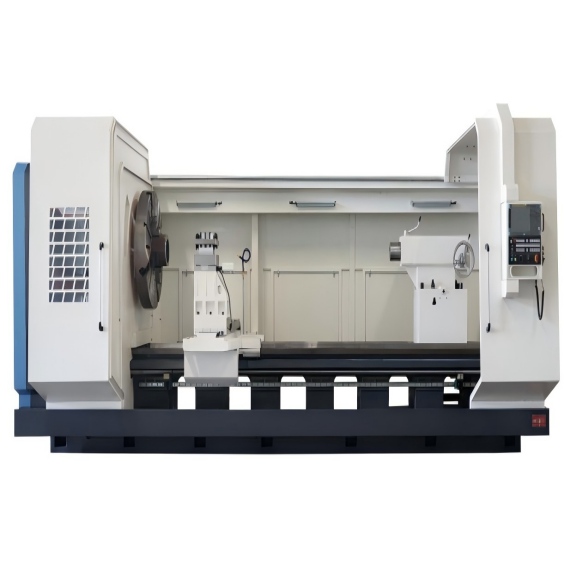
A Horizontal 2-Axis CNC Lathe is a sophisticated piece of machinery used in manufacturing for performing complex and precise machining operations. This type of lathe operates along two primary axes, the X-axis (cross slide) and the Z-axis (spindle). The horizontal configuration allows for better chip evacuation and improved rigidity, which are crucial factors in achieving high accuracy and surface finish. To fully leverage its capabilities, it's essential to understand how each component interacts and contributes to the overall performance.
The heart of a Horizontal 2-Axis CNC Lathe lies in its control system, which translates digital designs into precise movements. Modern lathes are equipped with advanced software that can handle intricate programming, enabling operators to produce parts with tight tolerances and complex geometries. Understanding the control system and its programming language is key to maximizing efficiency and productivity.
One of the most critical aspects of using a Horizontal 2-Axis CNC Lathe is the setup process. A well-optimized setup can significantly reduce cycle times and minimize errors. The first step in optimizing setup is to ensure that the workpiece is securely clamped and aligned. Proper alignment not only ensures accurate machining but also extends tool life by reducing unnecessary stress on the cutting tools.
Tool selection and management are equally important. High-quality, sharp tools are essential for maintaining precision and minimizing wear. Regular maintenance and timely replacement of worn tools are necessary to keep the machine running at peak efficiency. Additionally, using tool presetters and automated tool changers can further streamline the process, reducing downtime and increasing throughput.
Efficient programming is the backbone of any CNC operation, and this holds true for a Horizontal 2-Axis CNC Lathe as well. Advanced CAM (Computer-Aided Manufacturing) software can generate toolpaths that are optimized for speed and accuracy. By using these tools, operators can create programs that take full advantage of the lathe's capabilities, such as high-speed cutting and simultaneous multi-axis operations.
One effective technique is to use subroutines and macros to simplify and standardize repetitive tasks. This not only saves time during the programming phase but also reduces the likelihood of errors. Another approach is to implement adaptive machining strategies, which adjust the feed rate and spindle speed based on the material being machined and the current cutting conditions. This dynamic adjustment helps to maintain optimal cutting parameters, leading to better surface finishes and longer tool life.
Modern Horizontal 2-Axis CNC Lathes come equipped with a range of advanced features that can be leveraged to increase efficiency. One such feature is the ability to perform live tooling, which allows for milling and drilling operations to be performed while the part is still in the lathe. This eliminates the need for additional setups and transfers, significantly reducing cycle times and improving overall productivity.
Another valuable feature is the integration of probing systems. Probes can be used for in-process measurement, ensuring that parts meet the required specifications before they are removed from the machine. This real-time monitoring capability helps to catch any deviations early, reducing scrap rates and rework. Furthermore, some lathes offer automatic compensation for tool wear, which adjusts the tool offsets automatically, maintaining accuracy over long production runs.
Regular maintenance is crucial for keeping a Horizontal 2-Axis CNC Lathe in top condition. This includes routine checks of the mechanical components, such as the ways, slides, and bearings, as well as the electrical and hydraulic systems. Lubrication, cleaning, and calibration should be performed according to the manufacturer's recommendations to prevent wear and ensure consistent performance.
Upgrading your lathe with the latest technology can also enhance its capabilities. For example, adding a bar feeder or a robotic arm can automate the loading and unloading of workpieces, allowing for continuous operation and increased throughput. Upgrading the control system to a more advanced version can provide access to new features and improve the overall user experience. These upgrades, combined with regular maintenance, will help you get the most out of your investment and stay competitive in the market.
Maximizing efficiency with a Horizontal 2-Axis CNC Lathe involves a combination of understanding the machine's capabilities, optimizing setup and tooling, implementing efficient programming techniques, utilizing advanced features, and maintaining the equipment. By following these guidelines, manufacturers can achieve higher productivity, better quality, and reduced costs. As technology continues to advance, staying informed about the latest developments and best practices will be key to unlocking the full potential of this versatile and powerful tool.
 23/06/2026
Introduction to Horizontal 2-Axis CNC Lathe The advent of computer numerical control (CNC) technology has transformed the manufacturing industry, enabling precision and efficiency in the production process. Among the various types of CNC machines, the hor
Read More23/06/2026In the realm of advanced manufacturing, the Floor Type Horizontal Machining Center and the Horizontal 2-Axis CNC Lathe stand out as pivotal pieces of equipment. Both are essential in the production of high-precision components, but they serve different pu
Read More23/06/2026In recent years, the global manufacturing landscape has witnessed a significant shift towards adopting advanced machining solutions. Among these, the Horizontal 2-Axis CNC Lathe has emerged as a critical tool for precision engineering. This technical repo
Read More23/06/2026Understanding the Basics of a Horizontal 2-Axis CNC LatheA Horizontal 2-Axis CNC Lathe is an advanced machine tool that plays a crucial role in modern manufacturing. It operates on two axes, the X-axis (horizontal) and Z-axis (vertical), allowing for prec
Read More23/06/2026Horizontal 2-Axis CNC Lathes have been a cornerstone of precision manufacturing for decades, but recent advancements in technology are transforming their capabilities and applications. This report delves into the latest innovations that are redefining the
Read More23/06/2026A Horizontal 2-Axis CNC Lathe is a versatile machine tool, widely used in manufacturing for its precision and efficiency. This guide aims to provide a comprehensive overview of the maintenance procedures necessary to ensure optimal performance and longevi
Read More22/06/2026In the metalworking industry, the quest for efficiency and precision is a never-ending pursuit. Among the various innovations that have emerged to meet this demand, the Horizontal 2-Axis CNC Lathe, particularly in its slant bed configuration, stands out a
Read More22/06/2026In the realm of precision machining, the Horizontal 2-Axis CNC Lathe stands as a cornerstone for manufacturers seeking to produce high-quality parts with efficiency. This machine's versatility and capability in turning operations make it an essential tool
Read More22/06/2026The development of modern manufacturing has been significantly influenced by advancements in machine tools, with Horizontal 2-Axis CNC Lathes playing a pivotal role. These machines have revolutionized the way parts are machined, offering unparalleled prec
Read More22/06/2026The advent of computer numerical control (CNC) technology has revolutionized the manufacturing industry, enabling precise and efficient production processes. Among the various types of CNC machines, the Horizontal 2-Axis CNC Lathe stands out for its versa
Read MoreOur professional sales team is always ready to assist you.