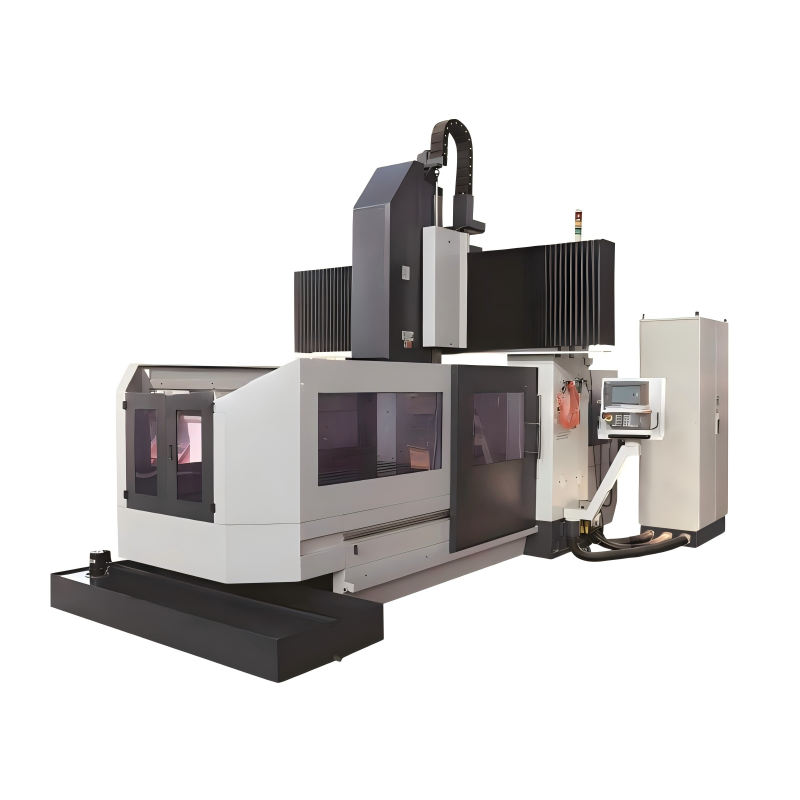
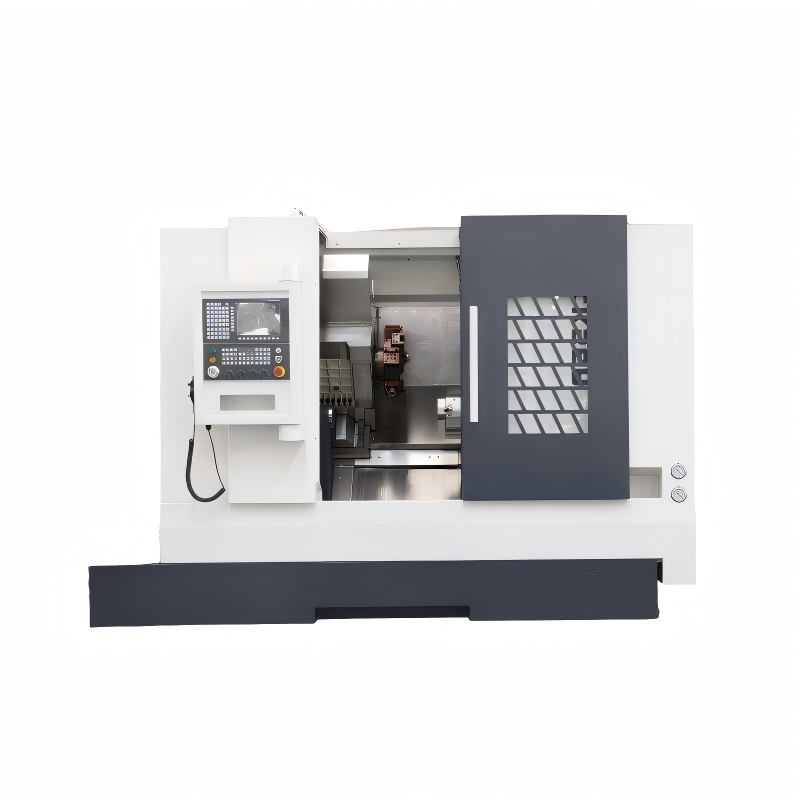
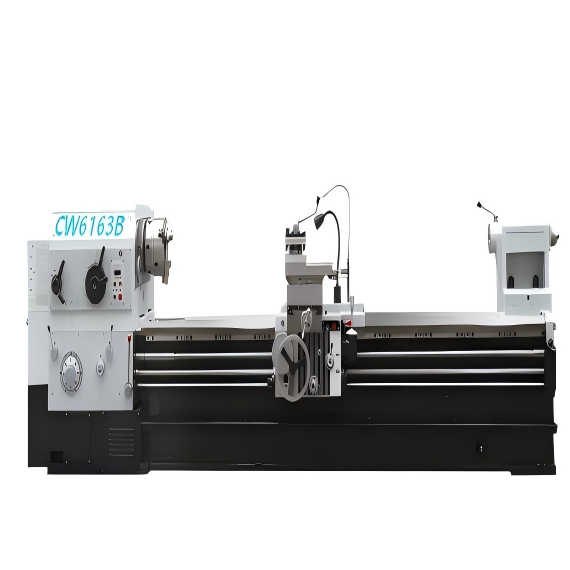
In the realm of modern manufacturing, high-precision milling machine tools play a pivotal role in enhancing both productivity and accuracy. These advanced machines are not just tools; they are integral components that drive the efficiency and quality of production processes. This report delves into how high-precision milling tools contribute to improved productivity and accuracy, examining their impact on material handling, machining precision, operational efficiency, and maintenance. By understanding these key aspects, manufacturers can better leverage high-precision milling machine tools to achieve superior results.
High-precision milling machine tools often come equipped with advanced workholding solutions that ensure the material is securely and accurately positioned. These solutions include precision vices, clamps, and custom fixtures designed to minimize setup times and reduce the risk of errors. By using such workholding systems, operators can achieve consistent and repeatable results, which is crucial for maintaining high levels of accuracy in mass production environments.
Another significant advantage of high-precision milling machine tools is the integration of automated loading and unloading systems. These systems, such as robotic arms and conveyors, streamline the material handling process, reducing the need for manual intervention. This not only speeds up the production cycle but also minimizes the risk of human error, ensuring that each part is processed with the same level of precision and consistency.
High-precision milling machine tools utilize cutting-edge cutting tools and techniques to achieve unparalleled precision and surface finish. These tools, made from materials like carbide and ceramic, are designed to withstand high temperatures and maintain their sharpness over extended periods. Additionally, advanced milling techniques, such as high-speed machining and multi-axis milling, enable the creation of complex geometries with micron-level accuracy, resulting in parts that meet the most stringent quality standards.
To further enhance machining precision, high-precision milling machine tools often incorporate real-time monitoring and feedback systems. These systems use sensors and software to continuously monitor the cutting process, detecting any deviations or anomalies. By providing instant feedback, operators can make necessary adjustments in real-time, ensuring that the final product meets the required specifications. This level of control is essential for achieving high-precision results and minimizing scrap rates.
High-precision milling machine tools are engineered for durability and reliability, which translates into reduced downtime and lower maintenance costs. These machines are built with robust components and advanced lubrication systems that minimize wear and tear. Regular maintenance schedules and predictive maintenance technologies, such as condition monitoring, help identify potential issues before they become critical, ensuring that the machine remains in optimal condition and ready for production.
Modern high-precision milling machine tools are designed with energy efficiency in mind. Features such as variable speed drives, regenerative braking, and optimized power consumption help reduce the overall energy usage of the machine. Additionally, these machines often incorporate resource management systems that optimize the use of coolant, lubricants, and other consumables, further reducing operational costs and environmental impact. By focusing on energy and resource efficiency, manufacturers can achieve significant cost savings while maintaining high levels of productivity and accuracy.
High-precision milling machine tools are highly compatible with Computer-Aided Design (CAD) and Computer-Aided Manufacturing (CAM) systems. This seamless integration allows for the direct transfer of design data to the machine, eliminating the need for manual programming and reducing the likelihood of errors. The ability to directly import and execute complex designs ensures that the final product matches the intended specifications, thereby enhancing both productivity and accuracy.
One of the key advantages of high-precision milling machine tools is their adaptability to a wide range of materials and applications. These machines can handle various materials, including metals, plastics, composites, and even exotic alloys, with equal precision. Furthermore, the flexibility of these machines allows them to be used in different manufacturing sectors, from aerospace and automotive to medical and electronics. This versatility makes high-precision milling machine tools a valuable asset for manufacturers looking to diversify their product offerings and stay competitive in the market.
 05/06/2026
In the realm of precision engineering, high-precision milling machine tools play a pivotal role in achieving the exacting standards required for components and products across various industries. These machines are designed to deliver unparalleled accurac
Read More04/06/2026In the realm of aerospace engineering, where precision and reliability are paramount, high-precision milling machine tools play an indispensable role. These advanced machines offer unparalleled accuracy and consistency, which are crucial for manufacturing
Read More04/06/2026In the rapidly evolving landscape of modern manufacturing, high-precision milling machine tools have become indispensable for achieving superior quality and efficiency. These advanced machines are designed to meet the stringent requirements of industries
Read MoreOur professional sales team is always ready to assist you.