In the world of manufacturing, precision and speed are two critical factors that determine the success of a project. The Turning Lathe Machine, a staple in workshops for centuries, has evolved to meet these demands, incorporating advanced technologies that improve both accuracy and production rates. This report explores how state-of-the-art turning lathe machines achieve these improvements, focusing on key innovations in design, software, and materials used.
Enhanced Precision through Advanced Design Features
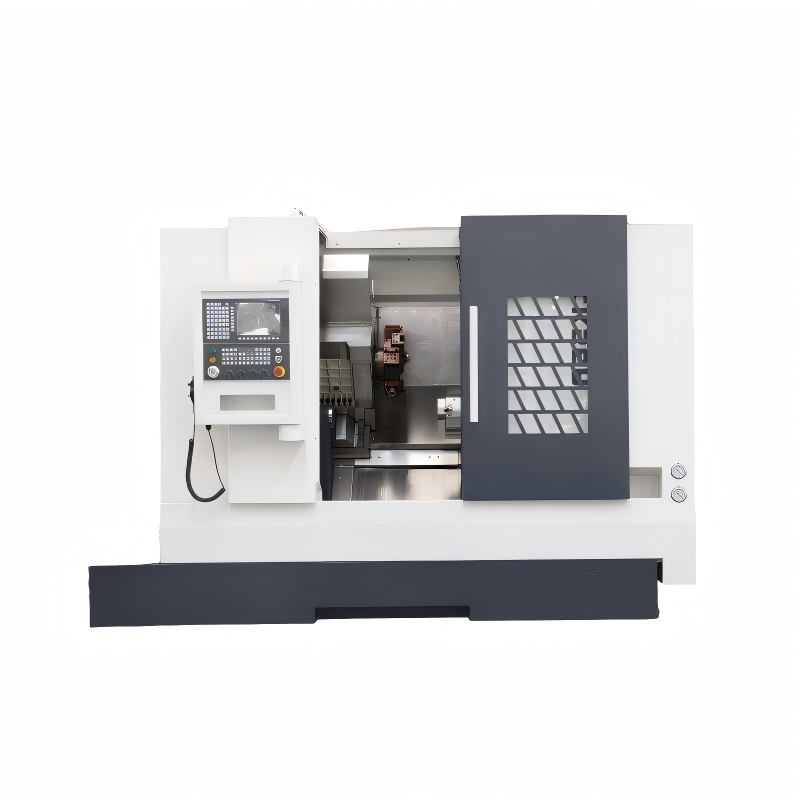
The modern turning lathe machine is a marvel of engineering, designed with features that significantly enhance its operational precision. One of the most notable advancements is the integration of computer numerical control (CNC) systems. These CNC Lathes use digital instructions to perform operations with an unprecedented level of detail, allowing for complex shapes and dimensions to be machined accurately. Unlike traditional manual lathes, which rely heavily on the skill of the operator, CNC lathes minimize human error, ensuring consistent results even over long production runs. Moreover, the incorporation of high-precision bearings and guideways in the latest models further reduces vibrations and wear, leading to smoother operations and finer finishes. Another significant feature is the adoption of servo motors, which offer better control over the movement of the cutting tool, enabling tighter tolerances and more intricate designs. In summary, by integrating these advanced design elements, today's turning lathe machines deliver a level of precision that was previously unattainable, making them indispensable tools for industries where accuracy is paramount.
Boosting Productivity with High-Speed Machining Capabilities
Speed is just as crucial as accuracy in many manufacturing processes. State-of-the-art turning lathe machines have been engineered to not only work precisely but also efficiently, thereby increasing overall productivity. A major contributor to this efficiency is the implementation of faster spindle speeds. Newer models can reach up to 10,000 RPM or higher, compared to the 2,000-3,000 RPM range typical of older machines. Higher spindle speeds allow for quicker material removal, reducing cycle times without compromising on quality. Additionally, these machines often come equipped with rapid traverse rates, meaning they can move from one position to another at much higher velocities than their predecessors. Rapid traversing minimizes non-cutting time, thus speeding up the entire machining process. Furthermore, some advanced turning lathe machines incorporate multi-axis capabilities, such as live tooling and Y-axis functionality, enabling simultaneous operations that would otherwise require multiple setups. By combining these high-speed machining capabilities, manufacturers can dramatically increase their output while maintaining stringent quality standards, positioning themselves competitively in the global market.
Optimizing Material Usage Through Intelligent Software Solutions
Beyond hardware improvements, intelligent software solutions play a pivotal role in enhancing the performance of turning lathe machines. Modern CAD/CAM (Computer-Aided Design/Computer-Aided Manufacturing) software allows engineers to create detailed 3D models and generate efficient machining strategies directly from these designs. This seamless transition from concept to execution ensures that every aspect of the part being manufactured is optimized for the specific capabilities of the lathe. Simulation tools within the software enable users to visualize the entire machining process before it begins, identifying potential issues like collisions or inefficiencies early on. As a result, adjustments can be made virtually, saving valuable time and resources. Adaptive control technology is another game-changing feature found in contemporary turning lathe machines. This technology adjusts the cutting parameters in real-time based on sensor feedback, compensating for variations in material hardness, tool wear, and other variables. It maintains optimal cutting conditions throughout the operation, maximizing tool life and minimizing scrap. Together, these software-driven enhancements contribute to a more sustainable manufacturing environment, where waste is minimized, and productivity is maximized, aligning with the industry’s growing emphasis on environmental responsibility and cost-effectiveness.
In conclusion, the continuous evolution of the turning lathe machine, driven by advancements in design, mechanics, and software, represents a significant leap forward in the field of precision engineering. These innovations not only elevate the standards of accuracy and speed but also pave the way for more efficient and environmentally friendly manufacturing practices. For businesses looking to stay ahead in a competitive landscape, investing in a state-of-the-art turning lathe machine is a strategic move towards achieving excellence in both product quality and operational efficiency.


 15/06/2026



