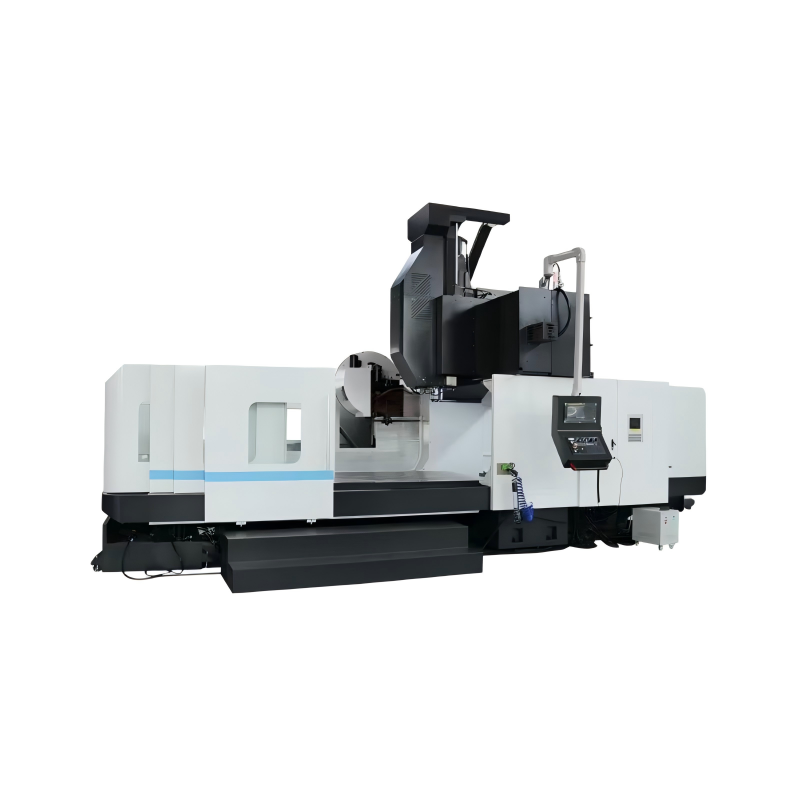
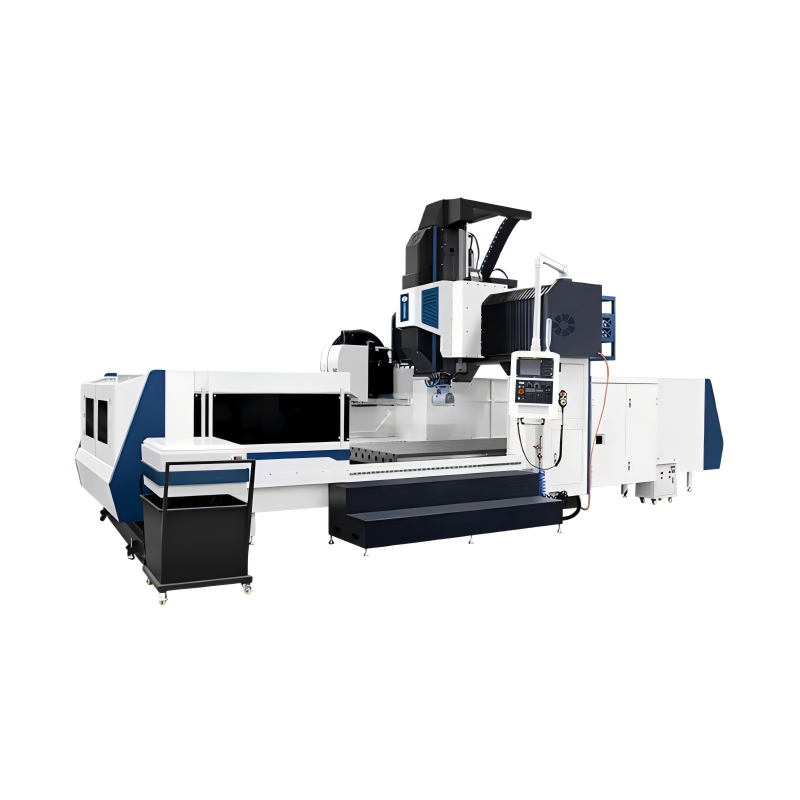
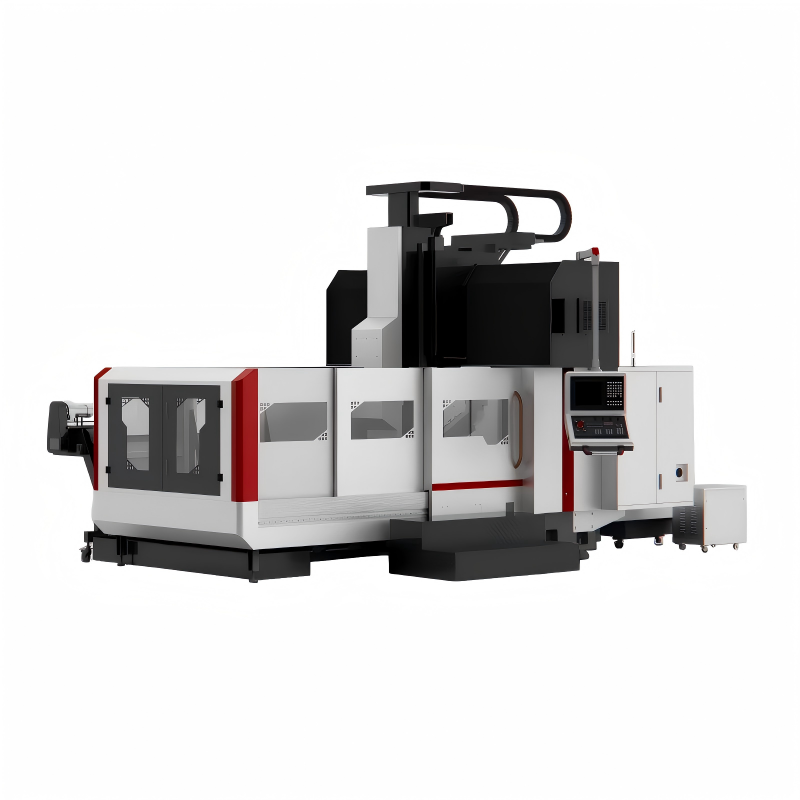
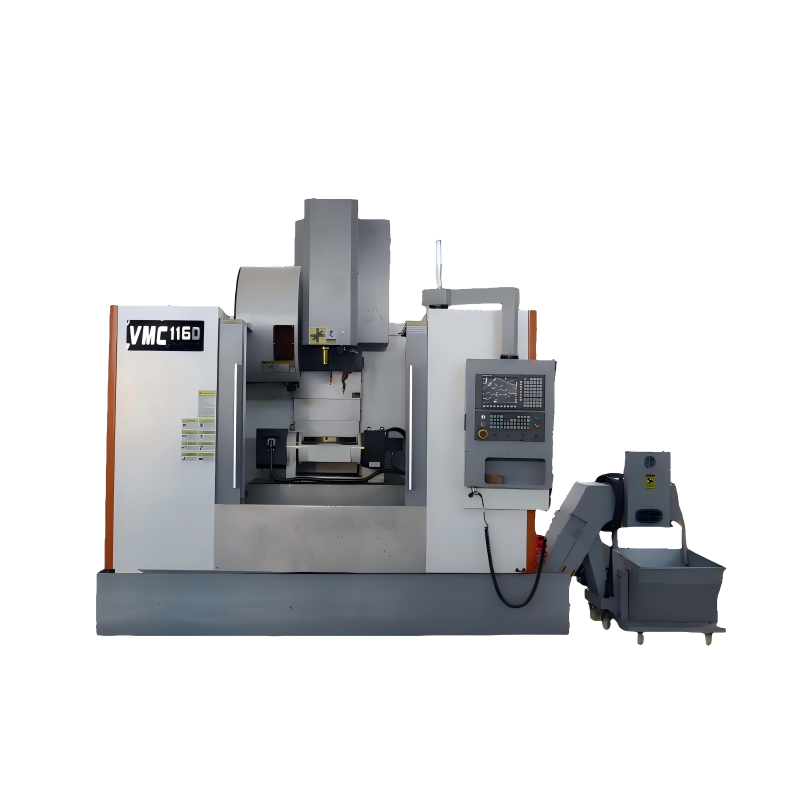
The evolution of manufacturing technologies has led to significant advancements in the design and functionality of machine tools. Among these, the Linear Guideway Vertical Machining Center (VMC) stands out as a critical component for precision machining operations. This report explores recent innovations in linear guideway design aimed at enhancing VMC operations, focusing on three key areas: increased precision, enhanced durability, and improved efficiency.
In the context of VMCs, precision is paramount. The accuracy of the final product directly depends on the precision with which the machine can move and position its cutting tools. Recent developments in linear guideway technology have significantly contributed to this aspect. For instance, the incorporation of high-precision ball screws and preloaded linear guides has minimized backlash and play, ensuring that the tool path is followed with utmost accuracy. Additionally, the use of advanced materials such as hardened steel and ceramics in the construction of linear guideways further enhances their stability and reduces wear over time. These innovations collectively contribute to a more precise VMC operation, resulting in higher quality machined parts.
Durability is another crucial factor in the performance of a VMC. A durable linear guideway not only ensures long-term reliability but also reduces maintenance costs and downtime. Modern linear guideway designs incorporate robust features such as corrosion-resistant coatings and self-lubricating systems. These features help to protect the guideways from environmental factors like moisture and dust, which can cause premature wear and tear. Furthermore, the selection of high-strength materials, such as stainless steel and composite alloys, contributes to the overall durability of the linear guideway. By integrating these robust design elements and advanced materials, manufacturers can achieve a longer operational life for their VMCs, thereby increasing productivity and reducing maintenance overhead.
Efficiency in VMC operations is closely tied to the ability of the linear guideway to handle dynamic loads and manage energy consumption. Innovations in linear guideway design have addressed these challenges by introducing features such as dynamic load balancing and energy-efficient drive systems. Dynamic load balancing ensures that the guideway can maintain consistent performance even under varying loads, which is particularly important in high-speed machining applications. Energy-efficient drive systems, on the other hand, reduce power consumption without compromising on performance. These systems often include regenerative braking and intelligent power management, which help to minimize energy waste and lower operational costs. By optimizing both load handling and energy management, modern Linear Guideway VMCs offer a more efficient and cost-effective solution for precision machining.
In conclusion, the continuous advancement in linear guideway design for VMCs has led to significant improvements in precision, durability, and efficiency. These innovations not only enhance the performance of the machines but also contribute to the overall productivity and cost-effectiveness of manufacturing operations. As technology continues to evolve, it is expected that further enhancements in linear guideway design will continue to drive the future of VMC operations.
 24/06/2026
Linear guideways play a crucial role in the performance and efficiency of Vertical Machining Centers (VMC). These components are essential for ensuring smooth, precise, and reliable motion in VMCs, which are widely used in various manufacturing processes.
Read More24/06/2026Understanding the Importance of Linear Guideways in VMCsWhen it comes to the performance and longevity of a Vertical Machining Center (VMC), the choice of Linear Guideway VMC can significantly influence both. A linear guideway is an essential component th
Read More24/06/2026The advancement in manufacturing technology has brought about significant improvements in the efficiency and performance of various machine tools. One such innovation, the Linear Guideway, when integrated into Vertical Machining Centers (VMCs), demonstrat
Read More23/06/2026Linear guideways play a crucial role in the precision and performance of Vertical Machining Centers (VMCs). As manufacturing industries continue to demand higher accuracy, faster processing speeds, and longer machine life, the enhancements made to linear
Read More23/06/2026Understanding the Role of Linear Guideways in VMCsIn the realm of precision engineering, the Vertical Machining Center (VMC) stands out as a versatile and indispensable tool. A key component contributing to its accuracy and efficiency is the linear guidew
Read More23/06/2026In the realm of modern manufacturing, precision and efficiency are paramount. One technology that significantly contributes to achieving these goals is the Vertical Machining Center (VMC) equipped with linear guideways. This report delves into how VMCs, p
Read More23/06/2026The evolution of manufacturing technologies has led to significant improvements in the efficiency, precision, and durability of machining processes. One such advancement is the integration of linear guideways into Vertical Machining Centers (VMCs). This t
Read MoreOur professional sales team is always ready to assist you.