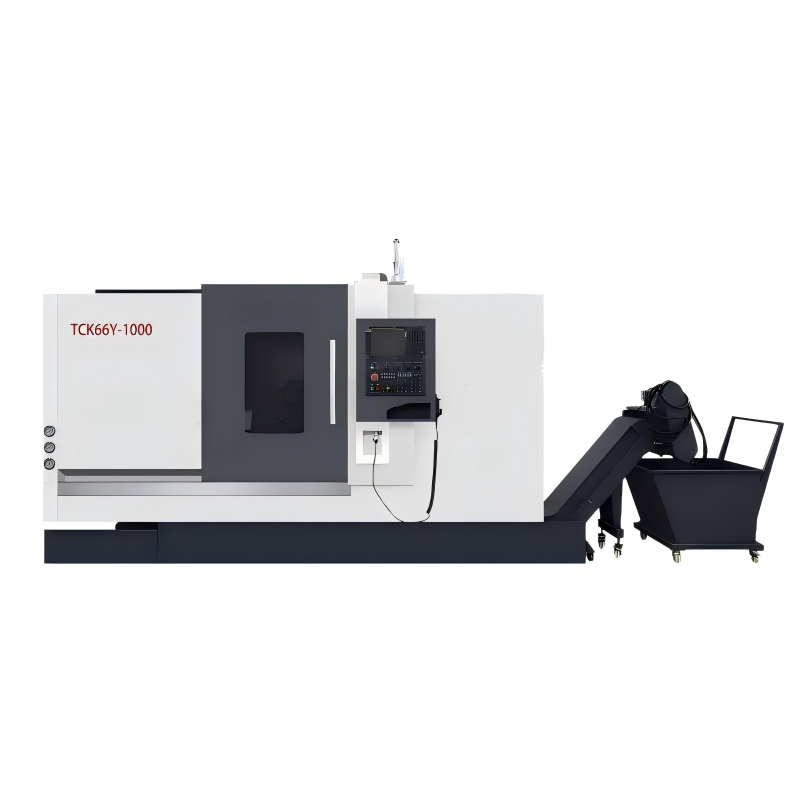
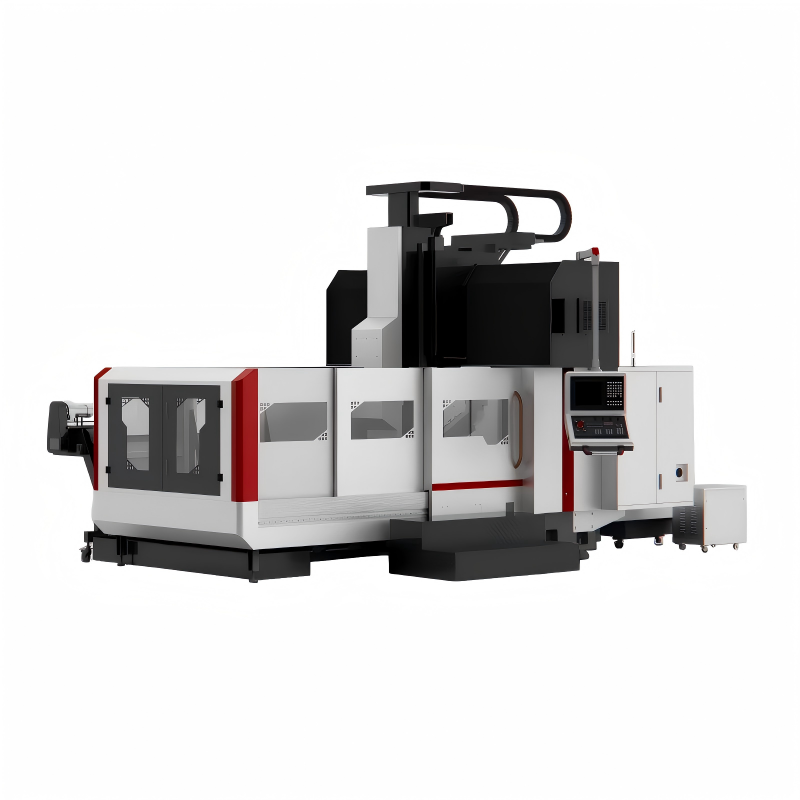
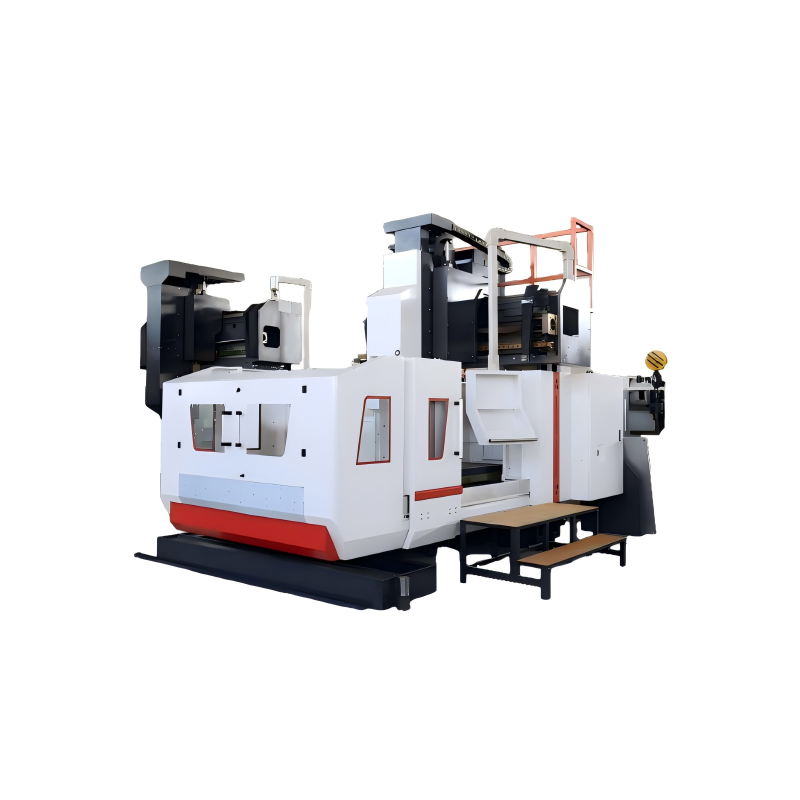
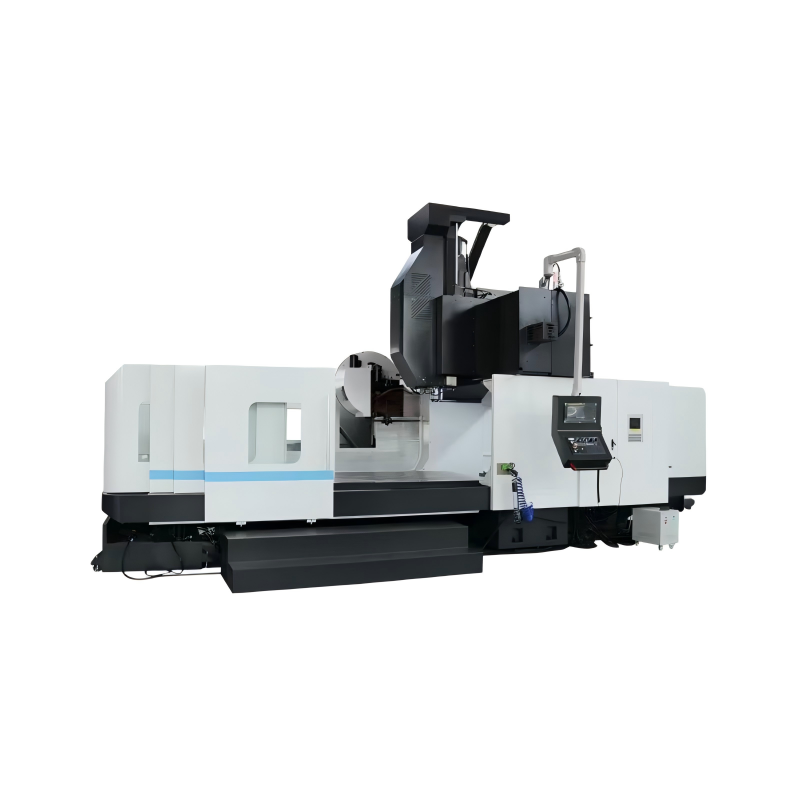
When it comes to the performance and longevity of a Vertical Machining Center (VMC), the choice of Linear Guideway VMC can significantly influence both. A linear guideway is an essential component that supports and guides the machine's moving parts, ensuring smooth and precise motion. The quality and type of linear guideway used directly impact the accuracy, speed, and overall efficiency of the VMC. Therefore, selecting the right linear guideway is crucial for achieving optimal machining results.
Linear guideways are designed to minimize friction and provide high rigidity, which are critical for maintaining the precision and stability of the VMC during operation. They come in various types, including ball screws, roller guides, and hydrostatic ways, each with its own set of advantages and limitations. Understanding these differences is key to making an informed decision that aligns with your specific machining requirements.
Selecting the appropriate linear guideway for your VMC involves evaluating several key factors. These factors include the load capacity, travel speed, precision, and environmental conditions. Each of these elements plays a vital role in determining the suitability of a linear guideway for your application.
Load Capacity: The load capacity of a linear guideway is one of the most important considerations. It refers to the maximum weight the guideway can support without compromising its performance. High-load applications require robust guideways that can handle the stress and maintain their integrity over time. Ball screws and roller guides are often preferred for their high load-bearing capabilities.
Travel Speed: The speed at which the machine operates is another critical factor. Some applications require rapid movement, while others need slower, more controlled motions. Linear guideways must be capable of handling the desired travel speed without sacrificing accuracy. Roller guides and hydrostatic ways are known for their ability to achieve high speeds with minimal wear and tear.
Precision: Precision is paramount in machining, and the linear guideway must ensure that the machine maintains high levels of accuracy. This includes both positional accuracy and repeatability. Ball screws and roller guides are typically chosen for their high precision, as they offer low backlash and consistent performance.
Environmental Conditions: The operating environment also influences the choice of linear guideway. Factors such as temperature, humidity, and exposure to contaminants can affect the guideway's performance. For example, hydrostatic ways are more resistant to contamination and can operate effectively in harsh environments, whereas ball screws may require additional protection.
Each type of linear guideway has its unique characteristics, and understanding these can help you make the best choice for your VMC. Here, we will compare ball screws, roller guides, and hydrostatic ways based on their key attributes.
Ball Screws: Ball screws are widely used in VMCs due to their high precision and reliability. They consist of a screw shaft and a nut with recirculating balls that reduce friction and provide smooth, accurate motion. Ball screws are suitable for applications requiring high positional accuracy and repeatability. However, they may not be ideal for extremely high-speed operations or heavy loads, as they can experience wear over time.
Roller Guides: Roller guides, also known as linear roller ways, use cylindrical rollers instead of balls to support the load. This design provides higher load capacity and better rigidity compared to ball screws. Roller guides are well-suited for applications that require high load-bearing capabilities and fast travel speeds. They are also more durable and can withstand harsh operating conditions, making them a popular choice in industrial settings.
Hydrostatic Ways: Hydrostatic ways use a thin film of oil between the moving surfaces to provide lubrication and support. This design offers excellent precision and long-term stability, as there is virtually no wear on the guideway. Hydrostatic ways are ideal for high-precision applications and can handle heavy loads with ease. However, they are more complex and costly to implement, and they require a reliable source of pressurized oil to function properly.
While the initial cost of a linear guideway is an important consideration, it is equally important to evaluate the long-term benefits and costs associated with each option. Factors such as maintenance, durability, and energy efficiency play a significant role in the overall cost-effectiveness of a linear guideway.
Maintenance Requirements: Different types of linear guideways have varying maintenance needs. Ball screws, for example, may require periodic lubrication and adjustment to maintain their performance. Roller guides are generally more maintenance-free, but they may still need occasional inspection and cleaning. Hydrostatic ways, on the other hand, require a continuous supply of clean, pressurized oil, which adds to the maintenance complexity.
Durability and Lifespan: The durability of a linear guideway is a critical factor in determining its long-term value. Roller guides and hydrostatic ways are known for their long lifespan and resistance to wear, making them cost-effective choices over time. Ball screws, while highly precise, may need replacement or repair more frequently, especially in high-load or high-speed applications.
Energy Efficiency: Energy consumption is another aspect to consider. Linear guideways with low friction, such as roller guides and hydrostatic ways, tend to be more energy-efficient. This can lead to significant cost savings over the lifetime of the VMC, especially in high-volume production environments.
Selecting the right linear guideway for your VMC is a multifaceted decision that requires careful consideration of various factors. By understanding the importance of load capacity, travel speed, precision, and environmental conditions, you can narrow down your options and choose the most suitable type of linear guideway. Additionally, evaluating the long-term benefits and costs, including maintenance, durability, and energy efficiency, will help you make a cost-effective and sustainable choice.
In summary, whether you opt for ball screws, roller guides, or hydrostatic ways, the key is to align your selection with your specific machining requirements and operational context. A well-chosen linear guideway will not only enhance the performance of your VMC but also contribute to the overall success and efficiency of your manufacturing processes.
 24/06/2026
Linear guideways play a crucial role in the performance and efficiency of Vertical Machining Centers (VMC). These components are essential for ensuring smooth, precise, and reliable motion in VMCs, which are widely used in various manufacturing processes.
Read More24/06/2026The evolution of manufacturing technologies has led to significant advancements in the design and functionality of machine tools. Among these, the Linear Guideway Vertical Machining Center (VMC) stands out as a critical component for precision machining o
Read More24/06/2026The advancement in manufacturing technology has brought about significant improvements in the efficiency and performance of various machine tools. One such innovation, the Linear Guideway, when integrated into Vertical Machining Centers (VMCs), demonstrat
Read More23/06/2026Linear guideways play a crucial role in the precision and performance of Vertical Machining Centers (VMCs). As manufacturing industries continue to demand higher accuracy, faster processing speeds, and longer machine life, the enhancements made to linear
Read More23/06/2026Understanding the Role of Linear Guideways in VMCsIn the realm of precision engineering, the Vertical Machining Center (VMC) stands out as a versatile and indispensable tool. A key component contributing to its accuracy and efficiency is the linear guidew
Read More23/06/2026In the realm of modern manufacturing, precision and efficiency are paramount. One technology that significantly contributes to achieving these goals is the Vertical Machining Center (VMC) equipped with linear guideways. This report delves into how VMCs, p
Read More23/06/2026The evolution of manufacturing technologies has led to significant improvements in the efficiency, precision, and durability of machining processes. One such advancement is the integration of linear guideways into Vertical Machining Centers (VMCs). This t
Read MoreOur professional sales team is always ready to assist you.