Introduction to Precision VMC Technology
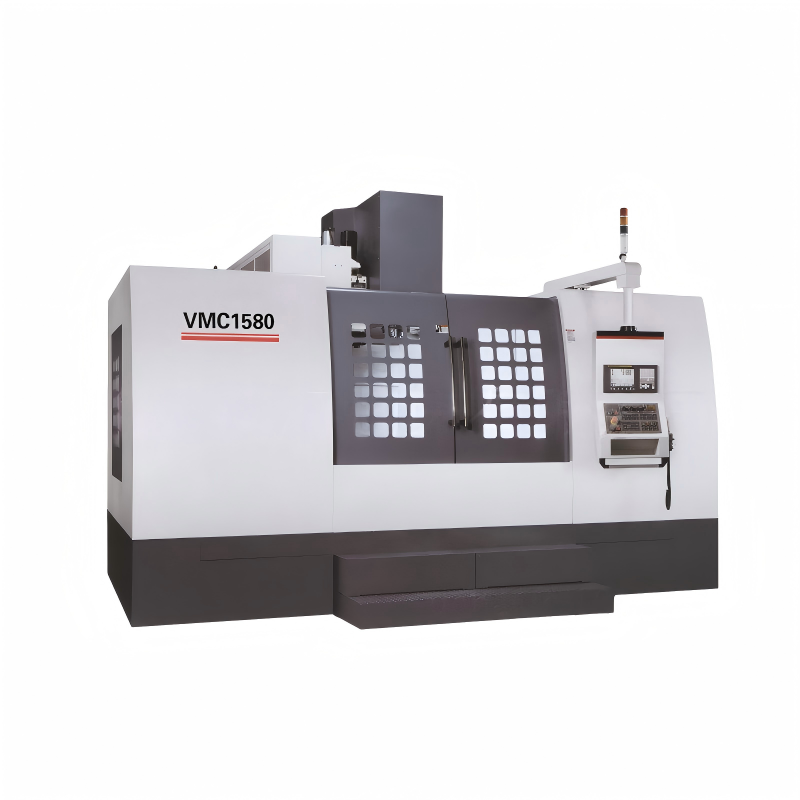
The manufacturing industry, particularly in the realm of mold making, is constantly evolving. One key driver of this evolution is the advancement in precision VMC (Vertical Machining Center) technology. These machines are designed with a focus on accuracy, speed, and versatility, making them indispensable tools for modern mold makers. The integration of advanced features such as high-speed spindles, multi-axis capabilities, and sophisticated control systems has significantly enhanced the performance and efficiency of VMCs, enabling mold manufacturers to produce complex and precise molds with greater ease and consistency.
Advancements in High-Speed Spindle Technology
One of the most significant innovations in precision VMC technology for mold making is the development of high-speed spindles. These spindles can operate at speeds up to 30,000 RPM or higher, allowing for faster material removal rates and improved surface finish. The high-speed spindle not only reduces machining time but also minimizes tool wear, which is crucial for maintaining the quality and longevity of the molds. Additionally, the reduced vibration and increased stability provided by these spindles contribute to the overall precision and accuracy of the machining process.
Furthermore, the incorporation of ceramic bearings and advanced cooling systems in high-speed spindles ensures that they can maintain their performance over extended periods, even under heavy workloads. This reliability is essential for mold makers who need to ensure consistent quality across large production runs. The combination of speed, precision, and durability makes high-speed spindles a game-changer in the field of mold making.
Multi-Axis Capabilities and Their Impact on Mold Making
Another critical innovation in precision VMC technology is the introduction of multi-axis capabilities. Traditional VMCs typically offer 3-axis machining, but modern VMCs now come equipped with 4, 5, or even more axes, providing greater flexibility and complexity in the machining process. Multi-axis VMCs allow for the simultaneous movement of multiple axes, enabling the machine to perform intricate and complex operations in a single setup. This capability is particularly valuable for mold making, where the geometry of the molds often requires multiple angles and orientations to be machined.
The ability to perform 5-axis machining, for example, allows mold makers to create highly detailed and precise molds with minimal setup times. This not only improves productivity but also enhances the overall quality of the final product. By reducing the number of setups required, multi-axis VMCs minimize the risk of errors and inconsistencies, leading to more accurate and reliable molds. Additionally, the use of multi-axis VMCs can help reduce the need for additional finishing processes, further streamlining the production process.
Integration of Advanced Control Systems
The integration of advanced control systems is another key area where precision VMC technology has seen significant advancements. Modern VMCs are equipped with sophisticated CNC (Computer Numerical Control) systems that provide real-time monitoring and control of the machining process. These systems utilize advanced algorithms and sensors to optimize the cutting parameters, ensuring that the machine operates at peak efficiency while maintaining the highest levels of precision and accuracy.
Advanced control systems also enable the implementation of features such as adaptive control, which adjusts the cutting parameters in real-time based on the material properties and cutting conditions. This ensures that the machine always operates within its optimal range, reducing the risk of tool breakage and improving the overall quality of the machined parts. Furthermore, the use of advanced control systems allows for the integration of automation and robotics, further enhancing the productivity and efficiency of the mold making process.
Conclusion: The Future of Precision VMC for Mold Making
In conclusion, the continuous advancements in precision VMC technology have revolutionized the field of mold making. The development of high-speed spindles, multi-axis capabilities, and advanced control systems has enabled mold makers to produce more complex, precise, and high-quality molds with greater efficiency and consistency. As technology continues to evolve, it is likely that we will see even more innovative solutions that further enhance the capabilities of VMCs, driving the industry towards new heights of excellence.
Mold makers who invest in these advanced technologies will be well-positioned to meet the growing demands of the market, ensuring that they remain competitive and capable of delivering the highest quality products. The future of precision VMC for mold making is bright, and those who embrace these innovations will undoubtedly reap the benefits of increased productivity, improved quality, and enhanced competitiveness.
 19/06/2026



