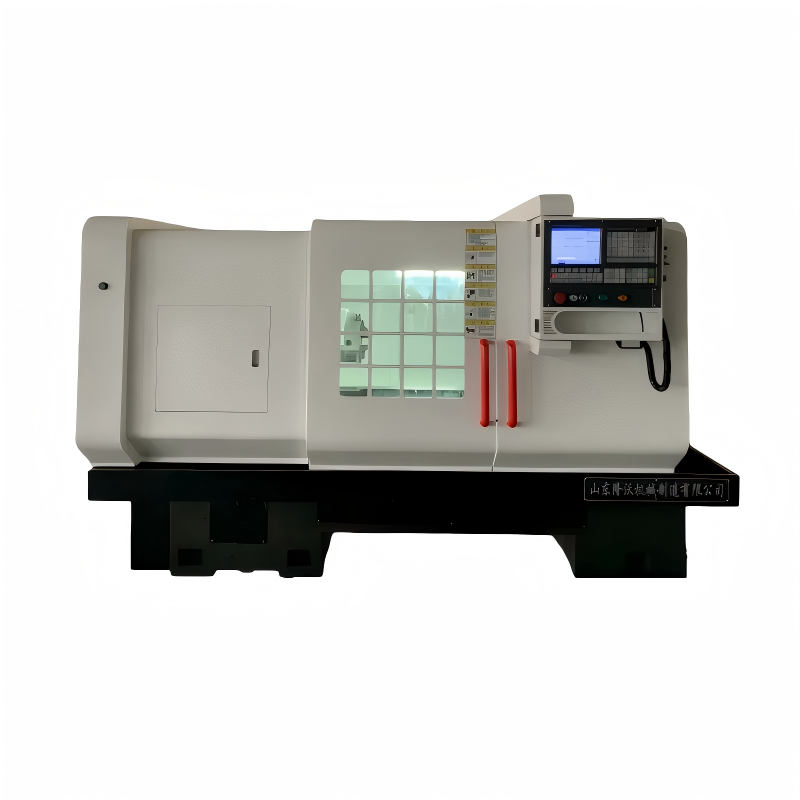
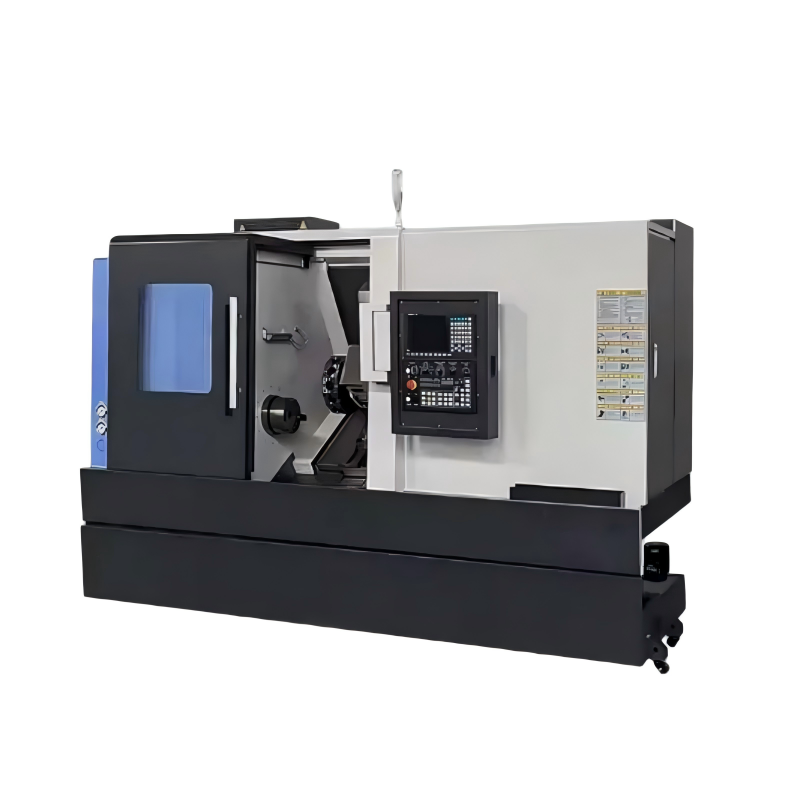
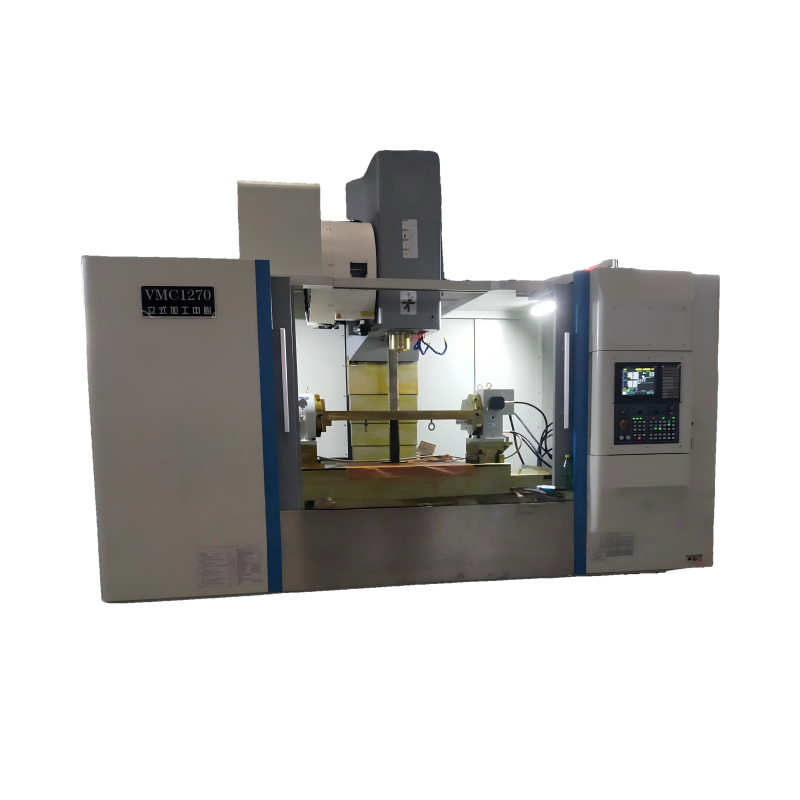
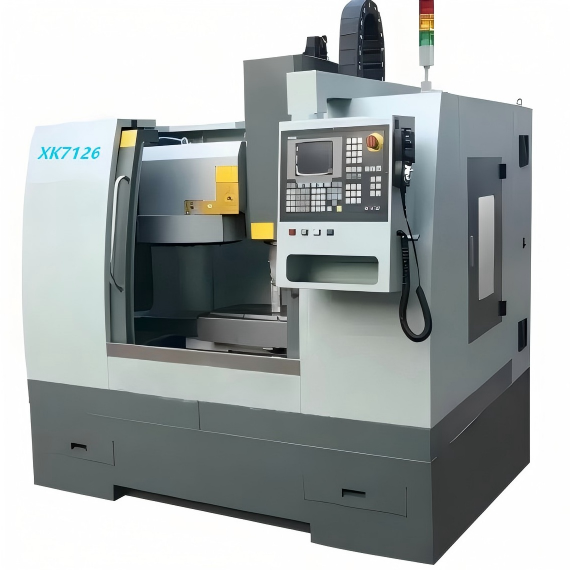
In the realm of mold making, precision is not just a preference; it's an absolute necessity. The ability to produce molds with high accuracy directly impacts the quality and functionality of the final products. This technical report delves into how advanced Precision VMC (Vertical Machining Center) solutions are revolutionizing the mold making industry, focusing on enhancing productivity without compromising on quality. We will explore several key aspects that make these machines indispensable in modern manufacturing environments.
The heart of any Precision VMC for Mold Making lies in its control system. Modern VMCs are equipped with state-of-the-art CNC (Computer Numerical Control) systems that offer unparalleled precision and repeatability. These systems utilize sophisticated algorithms to optimize tool paths, ensuring minimal deviation from the desired geometry. Furthermore, they support real-time monitoring and adjustment, allowing operators to maintain tight tolerances throughout the machining process. By integrating such advanced control technologies, manufacturers can achieve higher levels of accuracy, which is crucial for producing complex molds with intricate details.
One of the most significant advantages offered by contemporary Precision VMCs is their capability for high-speed machining. These machines are designed to operate at much faster feed rates compared to traditional models, significantly reducing cycle times. High-speed machining not only accelerates production but also enhances surface finish quality. For instance, rapid spindle speeds combined with optimized tool paths minimize vibration and heat generation, leading to smoother surfaces and longer tool life. This efficiency gain translates into higher output and lower costs per part, making high-speed machining a game-changer for mold makers aiming to stay competitive in the market.
A key feature distinguishing advanced Precision VMCs is their versatility in handling a wide range of materials. From soft metals like aluminum to harder alloys and even non-metallic composites, these machines can adapt to various material properties, thanks to their robust construction and flexible tooling options. Moreover, some models come equipped with automatic tool changers and multiple workstations, enabling seamless switching between different operations or parts. Such flexibility allows manufacturers to tackle diverse projects efficiently, catering to the ever-evolving demands of the mold making industry. Additionally, the integration of 5-axis capabilities in certain VMCs further expands their application scope, facilitating the creation of more complex geometries that were previously challenging to achieve.
Another critical aspect of today’s Precision VMCs is their user-friendly design, which simplifies operation and reduces the learning curve for new operators. Intuitive interfaces, coupled with comprehensive software packages, enable users to program and execute tasks with ease. Many systems now include simulation features that allow operators to visualize the entire machining process before actual execution, helping to identify potential issues and optimize the setup. Furthermore, remote diagnostics and maintenance capabilities ensure that downtime is minimized, as technicians can monitor machine performance and address problems promptly. This enhanced usability not only boosts productivity but also lowers the overall cost associated with operator training and equipment maintenance.
The future of mold making is increasingly intertwined with the concept of smart manufacturing, where data-driven insights play a pivotal role in optimizing operations. Advanced Precision VMCs are at the forefront of this transformation, featuring built-in connectivity and data analytics functionalities. These machines can collect and analyze vast amounts of operational data, providing valuable insights into machine performance, tool wear, and process efficiency. By leveraging these insights, manufacturers can implement predictive maintenance strategies, reduce waste, and continuously improve their processes. Additionally, the integration of IoT (Internet of Things) and AI (Artificial Intelligence) technologies enables real-time decision-making and adaptive control, further enhancing the overall productivity and reliability of the machining process.
In conclusion, the adoption of advanced Precision VMC for mold making offers a multitude of benefits, including enhanced accuracy, increased efficiency, greater flexibility, improved usability, and the integration of smart manufacturing technologies. As the industry continues to evolve, investing in these cutting-edge solutions will be essential for manufacturers looking to maximize productivity and maintain a competitive edge in the global market.
 19/06/2026
In the world of mold making, precision is not just a preference; it's an absolute necessity. The ability to create molds with intricate details and high accuracy can significantly impact the quality and efficiency of the final product. This report explore
Read More19/06/2026Introduction to Precision VMC Technology The manufacturing industry, particularly in the realm of mold making, is constantly evolving. One key driver of this evolution is the advancement in precision VMC (Vertical Machining Center) technology. These machi
Read More18/06/2026In the realm of mold making, precision is not just a desirable attribute; it's an absolute necessity. The advent of Precision Vertical Machining Centers (VMC) has revolutionized how complex molds are designed and manufactured, offering unparalleled accura
Read More18/06/2026In the rapidly evolving world of manufacturing, precision and efficiency are paramount. One area where these factors play a crucial role is in mold making, an industry that demands high accuracy and repeatability. The introduction of Precision VMC for Mol
Read More18/06/2026Understanding the Role of Precision VMC in Mold MakingThe precision Vertical Machining Center (VMC) plays a pivotal role in the mold making industry, where accuracy and repeatability are paramount. These machines are designed to handle complex operations
Read More18/06/2026In the realm of mold making, achieving high-quality results is paramount. The advent of Precision VMC (Vertical Machining Center) has revolutionized this field, enabling manufacturers to produce molds with unparalleled accuracy and efficiency. This report
Read More18/06/2026In the realm of mold production, precision is not just a preference but an absolute necessity. The integration of Precision VMC (Vertical Machining Center) into the manufacturing process has revolutionized the way molds are produced, significantly enhanci
Read More18/06/2026In the realm of modern manufacturing, the demand for precision and efficiency has never been higher. One tool that stands out in meeting these demands is the Precision VMC (Vertical Machining Center) for mold making. This technology not only enhances the
Read MoreOur professional sales team is always ready to assist you.