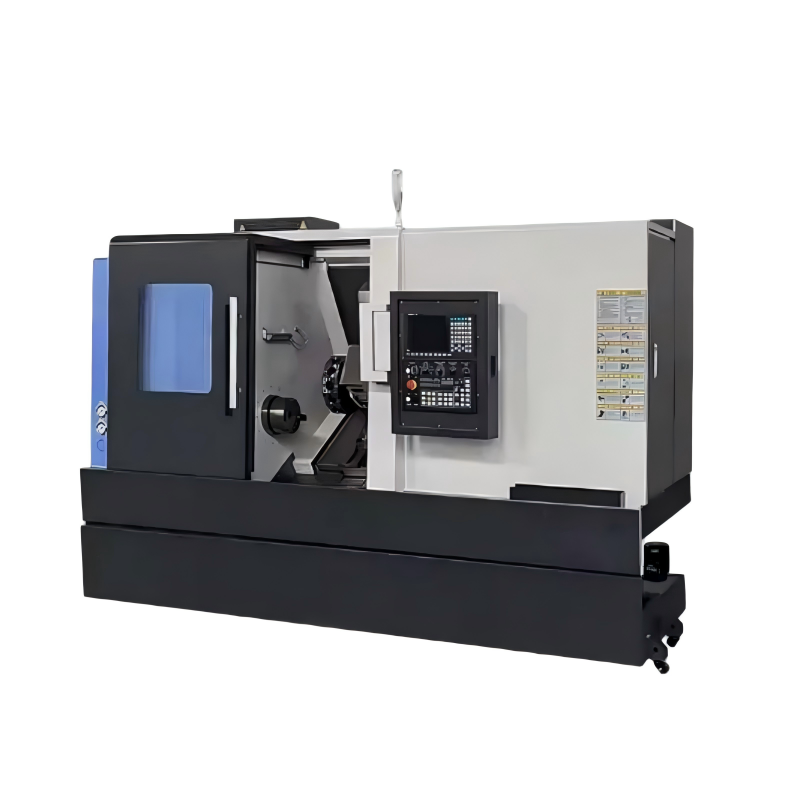
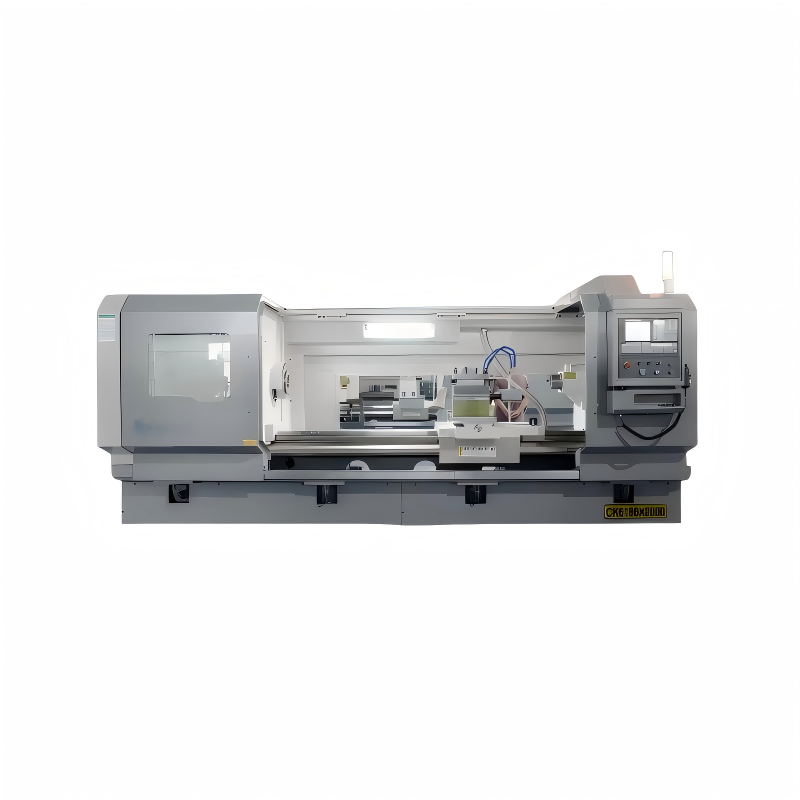
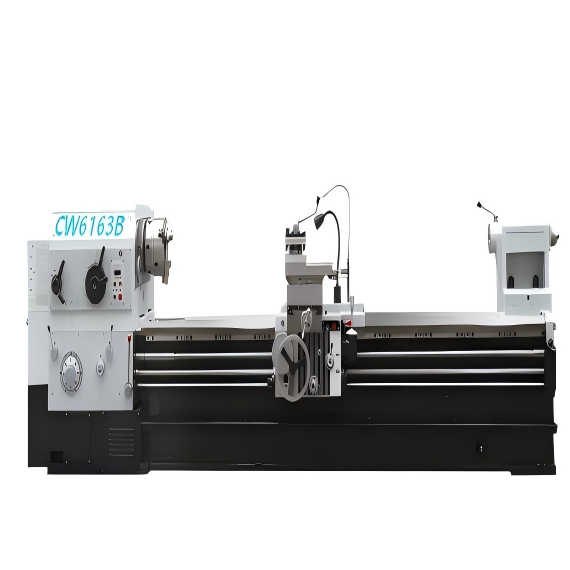
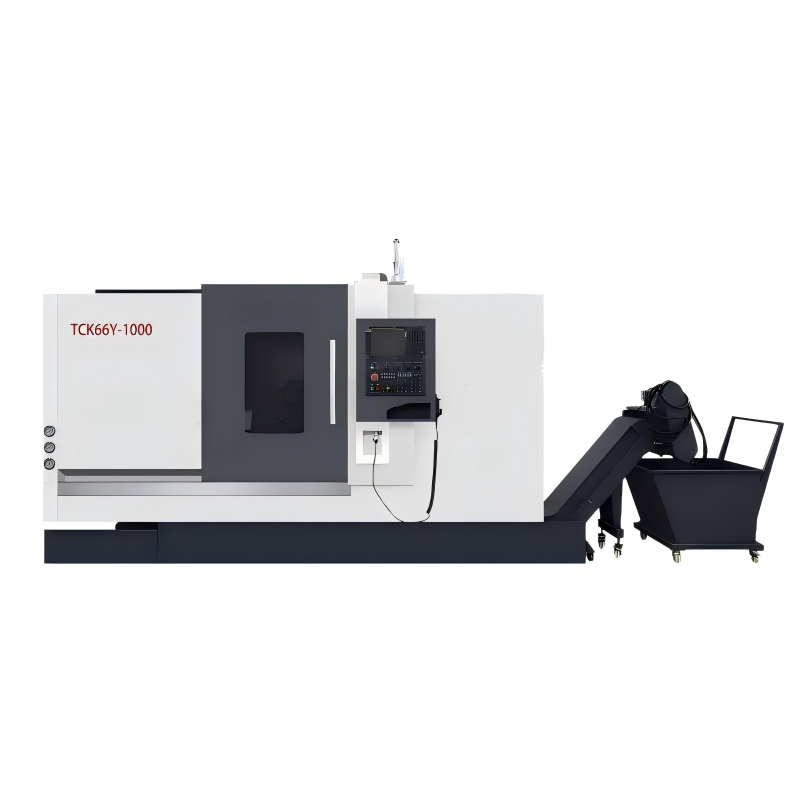
The precision Vertical Machining Center (VMC) plays a pivotal role in the mold making industry, where accuracy and repeatability are paramount. These machines are designed to handle complex operations with high levels of precision, ensuring that molds can be produced with the exact specifications required for their intended applications. The use of a Precision VMC for Mold Making not only enhances the quality of the final product but also significantly reduces production times and costs, thanks to its automation capabilities and advanced features.
Selecting the right Precision VMC for Mold Making is a critical decision that can impact the efficiency and profitability of your operations. There are several key factors one should consider to ensure the chosen machine meets all necessary requirements:
Modern Precision VMC for Mold Making models come equipped with a range of advanced features that can greatly enhance performance and efficiency. Some of these features include:
Investing in a Precision VMC for Mold Making is a significant financial commitment, but it can yield substantial long-term benefits. Conducting a thorough cost-benefit analysis is essential to justify the investment. Consider the following points:
Choosing the right Precision VMC for Mold Making is a multifaceted decision that requires careful consideration of various factors, including accuracy, capacity, control systems, and advanced features. By evaluating these aspects and conducting a thorough cost-benefit analysis, you can make an informed decision that will enhance the efficiency and profitability of your mold making operations. Remember, the right VMC is not just a tool; it is an investment in the future of your business.
 19/06/2026
In the realm of mold making, precision is not just a preference; it's an absolute necessity. The ability to produce molds with high accuracy directly impacts the quality and functionality of the final products. This technical report delves into how advanc
Read More19/06/2026In the world of mold making, precision is not just a preference; it's an absolute necessity. The ability to create molds with intricate details and high accuracy can significantly impact the quality and efficiency of the final product. This report explore
Read More19/06/2026Introduction to Precision VMC Technology The manufacturing industry, particularly in the realm of mold making, is constantly evolving. One key driver of this evolution is the advancement in precision VMC (Vertical Machining Center) technology. These machi
Read More18/06/2026In the realm of mold making, precision is not just a desirable attribute; it's an absolute necessity. The advent of Precision Vertical Machining Centers (VMC) has revolutionized how complex molds are designed and manufactured, offering unparalleled accura
Read More18/06/2026In the rapidly evolving world of manufacturing, precision and efficiency are paramount. One area where these factors play a crucial role is in mold making, an industry that demands high accuracy and repeatability. The introduction of Precision VMC for Mol
Read More18/06/2026In the realm of mold making, achieving high-quality results is paramount. The advent of Precision VMC (Vertical Machining Center) has revolutionized this field, enabling manufacturers to produce molds with unparalleled accuracy and efficiency. This report
Read More18/06/2026In the realm of mold production, precision is not just a preference but an absolute necessity. The integration of Precision VMC (Vertical Machining Center) into the manufacturing process has revolutionized the way molds are produced, significantly enhanci
Read More18/06/2026In the realm of modern manufacturing, the demand for precision and efficiency has never been higher. One tool that stands out in meeting these demands is the Precision VMC (Vertical Machining Center) for mold making. This technology not only enhances the
Read MoreOur professional sales team is always ready to assist you.