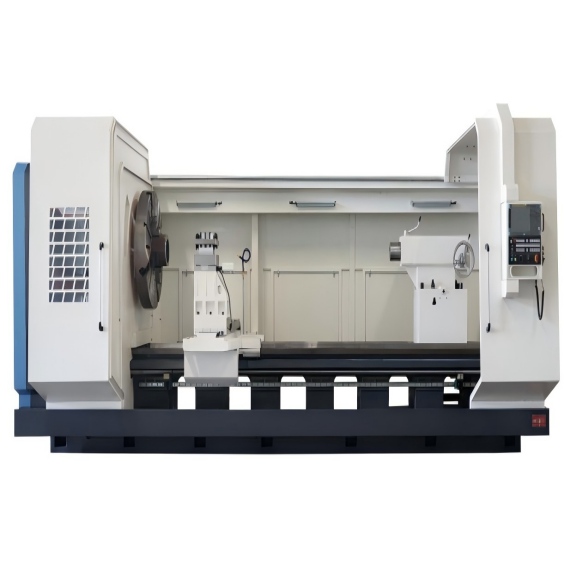
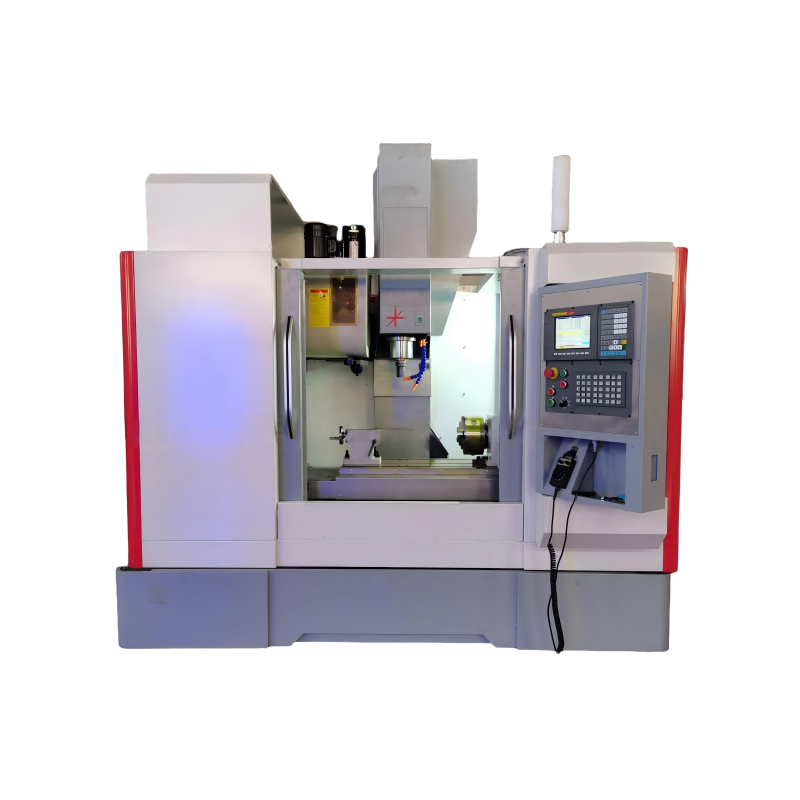
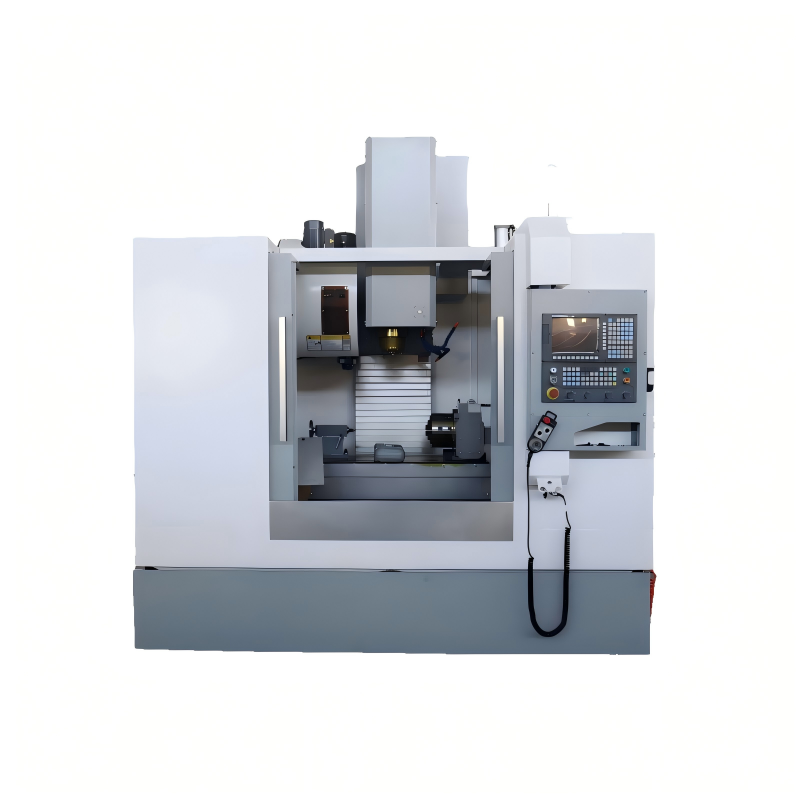
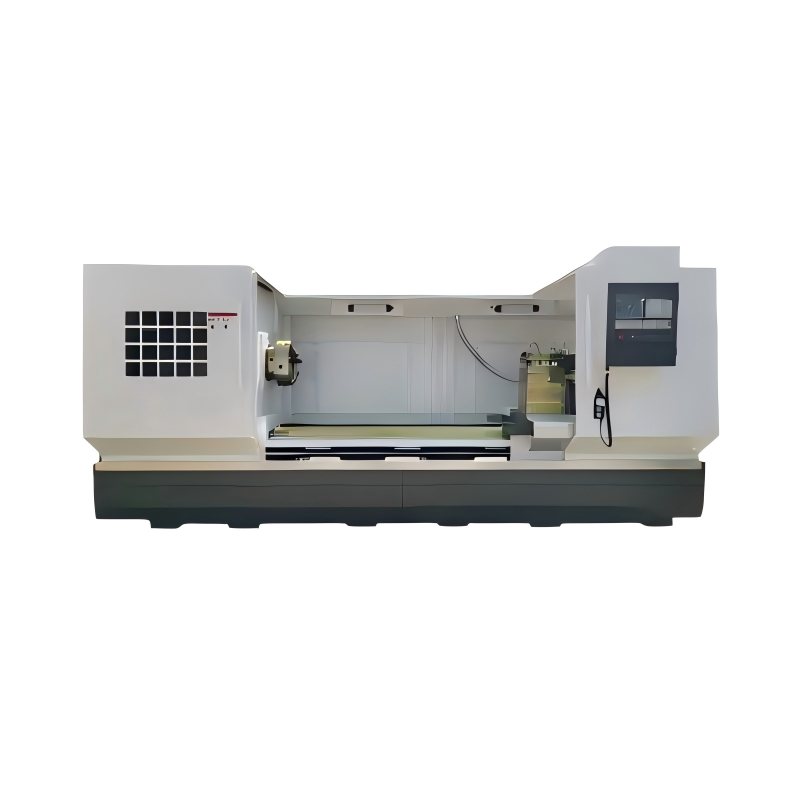
In the realm of modern manufacturing, the evolution of precision milling machine systems has played a pivotal role in shaping industrial practices. This report delves into the recent advancements in precision milling technology, highlighting their impact on various sectors. The discussion will cover the integration of smart technologies, the enhancement of material processing capabilities, and the overall improvement in production efficiency. By examining these developments, we aim to provide insights into how the latest innovations are transforming the landscape of precision milling and contributing to the growth of the industry.
The integration of smart technologies in precision milling machine systems has led to significant improvements in automation and control. Advanced sensors and real-time data analytics enable operators to monitor and adjust the milling process with unprecedented accuracy. This not only reduces the likelihood of errors but also enhances the overall quality of the milled components. For instance, the use of predictive maintenance algorithms can detect potential issues before they become critical, minimizing downtime and extending the lifespan of the machinery.
Smart technologies have also enabled data-driven decision making in precision milling. By collecting and analyzing vast amounts of data from the milling process, manufacturers can identify trends, optimize parameters, and make informed decisions. This leads to more efficient use of resources and improved product consistency. For example, machine learning algorithms can be used to predict the optimal cutting speeds and feeds for different materials, ensuring that each operation is performed at peak efficiency.
Recent advancements in cutting tools and materials have significantly enhanced the capabilities of precision milling machine systems. New, high-performance cutting tools made from advanced materials such as ceramic and polycrystalline diamond (PCD) offer superior wear resistance and thermal stability. These tools can handle a wider range of materials, including hard metals and composites, with greater precision and at higher speeds. Additionally, the development of new coatings and surface treatments has further improved the durability and performance of these cutting tools.
Modern precision milling machine systems are equipped with multi-axis capabilities, allowing for the machining of complex geometries with ease. 5-axis and even 6-axis machines can perform intricate operations in a single setup, reducing the need for multiple setups and improving the overall accuracy of the final product. This capability is particularly valuable in industries such as aerospace and medical devices, where the demand for highly precise and complex components is high. The ability to produce these components efficiently and with minimal error has a significant impact on the cost-effectiveness and competitiveness of manufacturing processes.
One of the most notable benefits of the latest innovations in precision milling technology is the significant increase in production throughput. High-speed spindles, coupled with advanced tool changers and automatic workpiece handling systems, allow for rapid and seamless transitions between operations. This not only increases the number of parts produced per hour but also reduces the overall cycle time. Moreover, the implementation of automated tool management systems ensures that the right tools are always available, minimizing setup times and further enhancing productivity.
Another important aspect of the improved production efficiency in precision milling is the focus on energy efficiency and sustainability. Modern precision milling machine systems are designed with energy-saving features, such as regenerative drives and optimized power consumption. These features help reduce the overall energy footprint of the manufacturing process, making it more environmentally friendly. Additionally, the use of sustainable materials and the implementation of recycling programs for cutting fluids and chips contribute to a more sustainable manufacturing environment. This not only aligns with global environmental goals but also helps companies reduce operational costs and improve their corporate social responsibility (CSR) profiles.
 08/06/2026
In the realm of advanced manufacturing, a precision milling machine system is indispensable for achieving high-accuracy and complex geometries. This technical report aims to provide expert advice on optimizing your precision milling workflow, ensuring max
Read More08/06/2026In the realm of manufacturing, precision milling machines have become indispensable tools for achieving high accuracy and efficiency in component production. This report delves into the key features that define modern precision milling machine systems, fo
Read More07/06/2026In today's competitive manufacturing landscape, the adoption of a high-performance precision milling machine system is crucial for maximizing productivity and maintaining a competitive edge. This report explores how such systems not only enhance the accur
Read More07/06/2026In the ever-evolving landscape of manufacturing, precision milling machine systems stand as a cornerstone of modern industrial production. As technology advances, these systems are becoming more sophisticated, offering unparalleled accuracy and efficiency
Read More06/06/2026A precision milling machine system is an essential tool in the manufacturing and engineering industries, used for creating intricate and precise parts. Maintaining such a sophisticated piece of equipment requires a comprehensive understanding of its compo
Read More05/06/2026In the realm of modern manufacturing, the demand for high-accuracy components has never been greater. Precision milling machine systems play a crucial role in meeting these demands, offering unparalleled accuracy and efficiency. This report explores how p
Read More05/06/2026Choosing the right precision milling machine system for your specific needs is a critical decision that can significantly impact the quality and efficiency of your manufacturing processes. This guide aims to provide an in-depth analysis, covering key aspe
Read More04/06/2026In the realm of manufacturing, precision is not just a preference but a necessity. A precision milling machine system stands at the heart of this requirement, offering solutions that are both accurate and efficient for a wide range of applications. This g
Read More04/06/2026In today's rapidly evolving manufacturing landscape, the integration of advanced technologies into precision milling machine systems has become a critical factor for enhancing operational efficiency and product quality. This technical report explores how
Read More04/06/2026In the realm of modern manufacturing, precision milling machines play a crucial role in producing high-accuracy components. The integration of advanced software into these systems has revolutionized how milling operations are conducted, enhancing not only
Read More04/06/2026In today's fast-paced manufacturing environment, the integration of a precision milling machine system can significantly enhance the efficiency and output quality of production lines. This technical report explores how such a system not only improves the
Read More04/06/2026In the rapidly evolving landscape of modern manufacturing, precision milling machine systems have emerged as a cornerstone technology, offering unparalleled accuracy and efficiency. This report delves into the advantages that precision milling brings to t
Read More04/06/2026In the realm of modern manufacturing, precision milling machine systems play a crucial role in producing high-accuracy components. The integration of advanced software into these systems has revolutionized the way parts are designed, manufactured, and ins
Read MoreOur professional sales team is always ready to assist you.