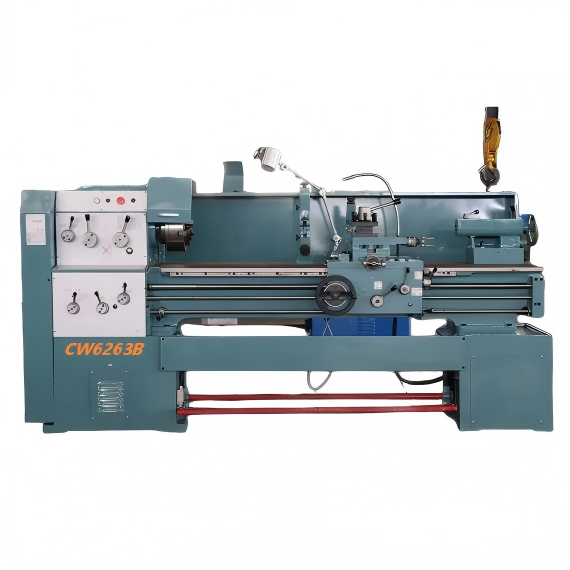
In the realm of precision engineering, deep hole machining is a critical process, especially when dealing with extended shafts. A China lathe manufacturer has recently made significant strides in this area, introducing innovative solutions that not only enhance the efficiency but also the accuracy and durability of machined parts. This section delves into the latest advancements in drilling techniques, exploring how they are revolutionizing the industry.
The adoption of high-pressure coolant systems and advanced drill materials, such as polycrystalline diamond (PCD) and cubic boron nitride (CBN), has been instrumental in achieving deeper holes with minimal tool wear. These innovations have allowed manufacturers to push the boundaries of what is possible, making it feasible to machine components that were once considered too challenging due to their length or material properties. Moreover, the integration of smart sensors and real-time monitoring systems enables operators to maintain optimal cutting conditions, thereby extending tool life and improving surface finish quality.
One of the key factors driving the success of these new machining methods is the use of advanced materials. For instance, PCD and CBN tools offer superior hardness and thermal conductivity compared to traditional carbide tools, which makes them ideal for cutting through tough alloys used in aerospace and automotive industries. By utilizing these cutting-edge materials, a China lathe manufacturer can produce parts with tighter tolerances and better surface finishes, leading to improved overall performance and longevity of the final product.
Furthermore, the development of specialized coatings, such as titanium aluminum nitride (TiAlN) and chromium nitride (CrN), adds an extra layer of protection against wear and corrosion. These coatings reduce friction during the cutting process, resulting in smoother operations and reduced power consumption. The combination of robust base materials and effective coatings thus plays a crucial role in enhancing both the efficiency and sustainability of deep hole machining processes.
As we move towards Industry 4.0, the incorporation of automation and digital technologies becomes increasingly important in optimizing production workflows. In the context of deep hole machining, a China lathe manufacturer has embraced this trend by implementing automated loading and unloading systems, as well as computer-aided manufacturing (CAM) software. These technologies work together to streamline operations, reduce human error, and increase throughput without compromising on quality.
Additionally, the application of artificial intelligence (AI) and machine learning (ML) algorithms helps in predicting maintenance needs and identifying potential issues before they become major problems. By analyzing data collected from various sensors, AI models can detect patterns indicative of impending tool failure or suboptimal operating conditions. This proactive approach not only minimizes downtime but also extends the lifespan of machinery, contributing to cost savings and enhanced productivity.
Sustainability is another important aspect that cannot be overlooked in modern manufacturing. A China lathe manufacturer recognizes the importance of adopting eco-friendly practices to minimize environmental impact. One way this is achieved is through the efficient use of resources, including water and energy. For example, recycling and reusing coolant fluids reduces waste and lowers operational costs. Additionally, employing energy-efficient motors and lighting systems within facilities further contributes to reducing carbon footprints.
Beyond resource management, there's also a focus on developing more sustainable machining processes. Innovations like dry machining, where no cutting fluid is used, or minimum quantity lubrication (MQL), which applies just enough lubricant to prevent excessive heat generation, are being explored. These approaches not only decrease the amount of hazardous waste generated but also improve workplace safety by eliminating exposure to harmful chemicals. As a result, companies adopting these sustainable practices stand to benefit from both economic and environmental perspectives, setting a positive example for the broader industry.
The field of deep hole machining for extended shafts continues to evolve, driven by ongoing technological advancements and increasing demand for higher precision and reliability. While the introduction of innovative solutions by a China lathe manufacturer marks a significant step forward, several challenges remain. Ensuring consistent quality across large production runs, managing the complexities associated with machining exotic materials, and addressing the skills gap in the workforce are some areas requiring attention.
Nevertheless, the future looks promising. With continued investment in research and development, coupled with a commitment to sustainability, the industry is well-positioned to overcome these hurdles. By staying at the forefront of innovation, manufacturers can not only meet current market demands but also pave the way for new applications and opportunities in the years to come.
 18/06/2026
China lathe manufacturer has been at the forefront of developing high-performance heavy-duty CNC lathes, which are essential in various industries for their precision, reliability, and efficiency. This technical report aims to explore the key features tha
Read More17/06/2026As a leading force in the global manufacturing industry, China has become an essential player in the production of advanced machining solutions. Among these, the role of a China lathe manufacturer is particularly noteworthy, as it continues to innovate an
Read More17/06/2026China, as one of the world's leading manufacturers, is home to a vast array of industrial machinery producers. Among these, precision lathe manufacturers have carved out a significant niche, offering solutions that cater to diverse industrial needs. This
Read More17/06/2026As the global manufacturing landscape continues to evolve, the demand for high-precision machining has never been greater. One of the key players in this domain is the China lathe manufacturer, which has made significant strides in developing advanced mac
Read More17/06/2026In the ever-evolving landscape of modern manufacturing, the role of a turning lathe machine has become increasingly significant. This report delves into the advantages of using a turning lathe machine, with a particular focus on China lathe manufacturer,
Read More09/06/2026China, a global leader in manufacturing, has established itself as a reliable source for a wide range of industrial machinery, including lathe machines. These machines, which are essential for various machining processes, have seen significant advancement
Read More09/06/2026Understanding the Importance of Regular Maintenance for Horizontal LathesMaintaining your horizontal lathe machine is not just a good practice; it's essential for ensuring its longevity and performance. A China lathe manufacturer, like many other manufact
Read More09/06/2026When it comes to investing in a high-quality horizontal lathe machine, especially from a reputable China lathe manufacturer, there are several key features that you should consider. These features not only ensure the longevity and reliability of the machi
Read More09/06/2026When it comes to equipping your workshop with the right machinery, choosing a horizontal lathe machine is one of the most critical decisions. A well-chosen lathe can significantly enhance productivity, precision, and overall efficiency in your operations.
Read More09/06/2026China has long been recognized as a major player in the global manufacturing industry, and its role in shaping the global lathe machine industry is no exception. With a strong focus on innovation, quality, and cost-effectiveness, China lathe manufacturers
Read More06/06/2026As the global market continues to evolve, manufacturers across all sectors are seeking ways to stay competitive while maintaining high standards of quality and efficiency. In this context, China lathe manufacturers have emerged as key players, offering ad
Read More06/06/2026China lathe manufacturer has been a pivotal player in the global machinery industry, offering innovative solutions from design to delivery. This report delves into the journey of a China lathe manufacturer, highlighting key stages and processes that contr
Read More05/06/2026In today’s globalized manufacturing landscape, the selection of a reliable lathe manufacturer is crucial for businesses aiming to maintain high standards of production efficiency and product quality. This report delves into why numerous enterprises across
Read More05/06/2026In the ever-evolving world of manufacturing, precision and efficiency are paramount. Among the many players in this field, a China lathe manufacturer stands out for its commitment to quality and innovation. This technical report aims to unveil the secrets
Read More04/06/2026When it comes to choosing a China lathe manufacturer, the decision can significantly impact your production efficiency, product quality, and overall business success. This report aims to guide you through the top considerations that should influence your
Read More04/06/2026Choosing the right China lathe manufacturer is crucial for businesses aiming to enhance their production capabilities while ensuring quality and cost-effectiveness. This technical report aims to guide you through the process of discovering the best China
Read More04/06/2026Exploring the capabilities of a horizontal lathe machine reveals a world of precision, efficiency, and versatility. This technical report delves into the core functionalities and advanced features that make horizontal lathes indispensable in modern manufa
Read More04/06/2026China has long been a global leader in the manufacturing industry, particularly when it comes to precision machinery such as CNC lathes. The country's vast pool of skilled labor, advanced technological capabilities, and competitive pricing have made it a
Read More04/06/2026The Historical Context of China Lathe ManufacturerIn the intricate world of manufacturing, the evolution of precision is a testament to human ingenuity and technological advancement. A China lathe manufacturer has played a pivotal role in this journey, co
Read More04/06/2026When it comes to selecting a China lathe manufacturer, the process can be quite daunting, especially for those who are not well-versed in the intricacies of machine tools. This comprehensive guide aims to provide you with a structured approach to choosing
Read More03/06/2026As a leading China lathe manufacturer, our company has established itself as a reliable and innovative provider of high-precision machining solutions. This report aims to highlight the key aspects that set us apart in the industry, focusing on our experti
Read More03/06/2026In the ever-evolving landscape of manufacturing, the role of precision machinery cannot be overstated. Among these, lathes, a fundamental tool in machining, have seen significant advancements. This report delves into how a China lathe manufacturer is shap
Read More02/06/2026Introduction to China Lathe Manufacturing ExcellenceThe rise of China as a global manufacturing powerhouse has been nothing short of spectacular. Among the many industries that have seen significant growth, the machine tool sector, particularly lathe manu
Read More02/06/2026As the manufacturing industry continues to evolve, finding a reliable and efficient China lathe manufacturer is crucial for businesses looking to stay competitive. This report aims to explore the leading China lathe manufacturer in 2023, providing insight
Read More02/06/2026In the rapidly evolving world of manufacturing, China lathe manufacturer has taken a significant step forward by embracing advanced CNC (Computer Numerical Control) technology. This report delves into how this integration not only enhances productivity bu
Read More02/06/2026In the rapidly evolving landscape of manufacturing, finding a reliable China lathe manufacturer is crucial for businesses aiming to optimize their production processes. This report delves into the key factors that make a leading China lathe manufacturer s
Read More02/06/2026China has long been a leader in the manufacturing industry, and one of its most prominent sectors is the production of lathes. A China lathe manufacturer is not just another player in the global market; it represents a significant force that is constantly
Read MoreOur professional sales team is always ready to assist you.