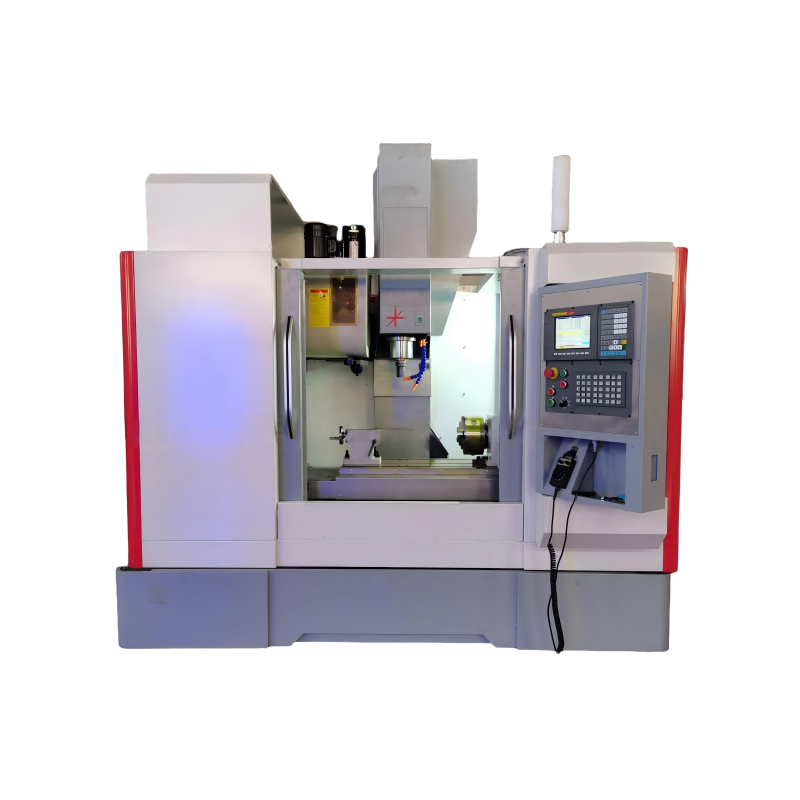
When it comes to selecting a high-quality Vertical Machining Center, the decision-making process can be quite complex. This is due to the wide array of features and specifications that these machines offer, which cater to different manufacturing needs. In this technical report, we will explore key aspects to consider when evaluating a Vertical Machining Center. Our focus will be on providing a comprehensive guide for manufacturers and engineers who are in search of a reliable Vertical Machining Center Supplier. By the end of this report, readers should have a clearer understanding of what to look for in order to make an informed purchasing decision.
Precision and accuracy are paramount in machining operations. A high-quality vertical machining center must deliver consistent results with minimal deviations. The machine's ability to maintain tight tolerances over prolonged periods is crucial for producing parts that meet exact specifications. Key factors that contribute to precision include the rigidity of the machine frame, the quality of the spindle, and the precision of the linear guides and ball screws. Additionally, advanced control systems, such as those equipped with thermal compensation, help to mitigate the effects of temperature variations, ensuring that the machine remains accurate throughout its operational life.
To evaluate the precision and accuracy of a vertical machining center, potential buyers should request detailed performance data from the supplier. This data typically includes information on repeatability, positional accuracy, and circular interpolation accuracy. It is also advisable to perform a test run using a sample part to see how well the machine performs under real-world conditions. Reputable Vertical Machining Center Suppliers often provide demonstrations or allow for trial runs to showcase their machine's capabilities.
The spindle is the heart of any vertical machining center, and its performance directly impacts the quality and efficiency of the machining process. High-quality spindles are designed to handle high speeds and heavy loads, while maintaining low vibration and noise levels. The type of spindle (e.g., air-cooled, oil-cooled) and its maximum speed and power output are important considerations. For instance, high-speed spindles are ideal for applications that require fine surface finishes and rapid material removal rates, while high-torque spindles are better suited for heavy-duty cutting operations.
Reliability is another critical aspect of spindle performance. A reliable spindle should have a long service life and require minimal maintenance. Look for spindles that are equipped with advanced monitoring systems, such as vibration sensors and temperature controls, which can help detect and prevent issues before they become serious. Additionally, the availability of spare parts and the ease of spindle replacement are important factors to consider, as they can significantly reduce downtime and maintenance costs.
The control system and user interface of a vertical machining center play a vital role in the overall usability and productivity of the machine. A modern, intuitive control system allows operators to program and execute complex machining tasks with ease. Features such as conversational programming, graphical user interfaces (GUIs), and touch-screen displays can greatly enhance the user experience. These features enable operators to input commands, monitor the machining process, and make adjustments in real-time, leading to more efficient and accurate operations.
Advanced control systems also offer a range of additional functionalities, such as tool management, automatic tool changing, and adaptive control. Tool management systems help track tool usage and wear, ensuring that tools are replaced at the optimal time. Automatic tool changers reduce setup times and increase productivity by allowing for quick and seamless tool changes. Adaptive control systems, on the other hand, adjust the feed rate and spindle speed in real-time based on the cutting conditions, optimizing the machining process and extending tool life.
Rigidity and durability are essential for a vertical machining center, as they ensure that the machine can withstand the forces and vibrations generated during the cutting process. A rigid machine frame, made from high-strength materials such as cast iron or steel, provides a stable platform for the spindle and worktable. This stability is crucial for achieving high-precision machining, as it minimizes deflection and ensures that the cutting tool remains in the correct position.
Additionally, the design of the machine should incorporate features that enhance its durability. For example, sealed and lubricated guideways and ball screws can extend the life of the machine by reducing wear and tear. The use of high-quality bearings and seals also helps to protect the internal components from contaminants, such as dust and chips. Regular maintenance and proper care, as recommended by the Vertical Machining Center Supplier, are essential for ensuring the long-term reliability and performance of the machine.
In today’s competitive manufacturing landscape, automation and integration capabilities are becoming increasingly important. A high-quality vertical machining center should be capable of integrating with other manufacturing systems, such as robotic arms, conveyors, and pallet changers. This integration enables the creation of a fully automated production line, which can significantly increase productivity and reduce labor costs.
Automation features, such as automatic part loading and unloading, can also streamline the machining process and minimize human intervention. Pallet changers, for example, allow for continuous operation by enabling the machine to switch between multiple workpieces without stopping. This not only improves efficiency but also reduces the risk of errors and inconsistencies in the final product. When evaluating a vertical machining center, it is important to consider the machine’s compatibility with various automation solutions and the level of support provided by the Vertical Machining Center Supplier for integration and customization.
Selecting a high-quality vertical machining center requires a thorough evaluation of several key features, including precision and accuracy, spindle performance, control system, rigidity, and automation capabilities. By focusing on these aspects, manufacturers and engineers can ensure that they choose a machine that meets their specific needs and delivers reliable, high-precision results. Working with a reputable Vertical Machining Center Supplier is also crucial, as they can provide valuable guidance, support, and after-sales services to help maximize the machine’s performance and longevity.
 25/06/2026
In the realm of manufacturing, vertical machining centers (VMCs) have emerged as indispensable tools for precision and efficiency. This report delves into how advancements in technology are revolutionizing the performance of VMCs, with a focus on the role
Read More25/06/2026A vertical machining center is a critical piece of equipment in many manufacturing and engineering operations. These machines, provided by a reliable Vertical Machining Center Supplier, are designed to perform a wide range of tasks with precision and effi
Read More25/06/2026A vertical machining center (VMC) is a type of CNC machine that plays an essential role in modern manufacturing. This report explores the versatility and capabilities of high-end vertical machining centers, focusing on their applications, technological ad
Read More24/06/2026Understanding the Importance of Supplier Reliability in Vertical Machining CentersIn the world of manufacturing, the reliability of a supplier is not just a preference but a necessity. When it comes to acquiring a vertical machining center, this principle
Read More24/06/2026The Evolution of Vertical Machining CentersVertical machining centers (VMCs) have come a long way since their inception, evolving from simple drilling machines to highly sophisticated and versatile tools capable of performing a wide range of operations. T
Read More24/06/2026In the modern manufacturing landscape, the vertical machining center has become an indispensable tool for a wide range of industries. These machines offer unparalleled precision, versatility, and efficiency, making them a preferred choice for many manufac
Read More24/06/2026In the modern manufacturing landscape, vertical machining centers (VMCs) have become indispensable for producing complex and high-precision components. The selection of a trusted Vertical Machining Center Supplier is crucial for ensuring not only the qual
Read More23/06/2026Vertical machining centers are pivotal in the manufacturing industry, offering precision and efficiency that can significantly boost productivity. As a vertical machining center supplier, it is essential to understand how to maximize the potential of thes
Read More23/06/2026Understanding the Importance of Reliability in a Vertical Machining Center SupplierThe foundation of any successful manufacturing operation lies in the reliability of its machinery and the partners that supply it. A Vertical Machining Center (VMC) is no e
Read More23/06/2026When it comes to selecting the right vertical machining center for your manufacturing needs, a comprehensive understanding of the machine's capabilities, along with the support and expertise of a reliable vertical machining center supplier, is crucial. Th
Read More23/06/2026When it comes to selecting the right vertical machining center for your specific needs, a thorough understanding of the available options and their capabilities is crucial. This decision can significantly impact the efficiency, productivity, and quality o
Read MoreOur professional sales team is always ready to assist you.