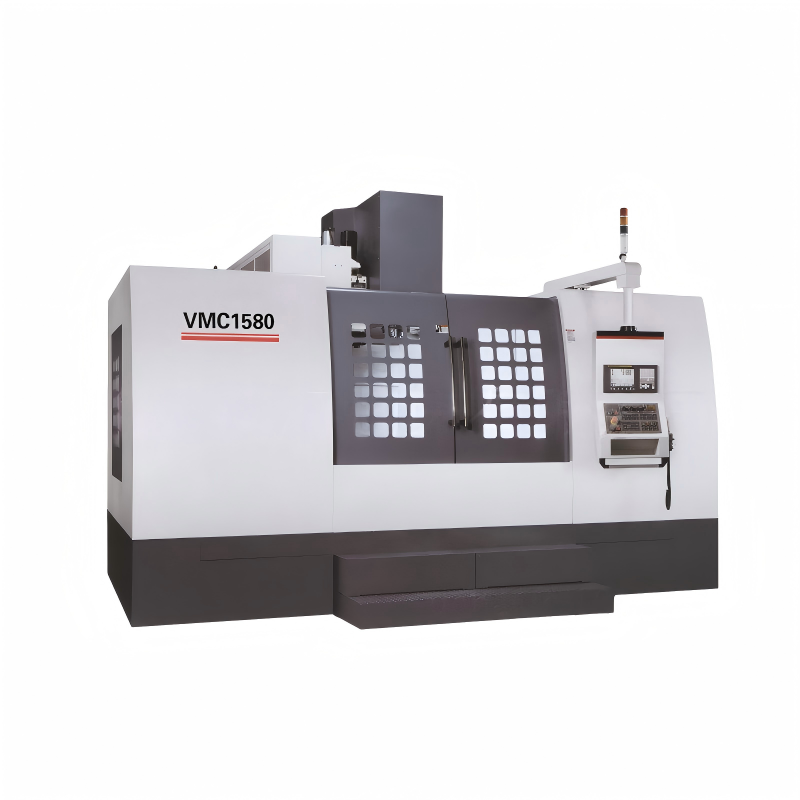
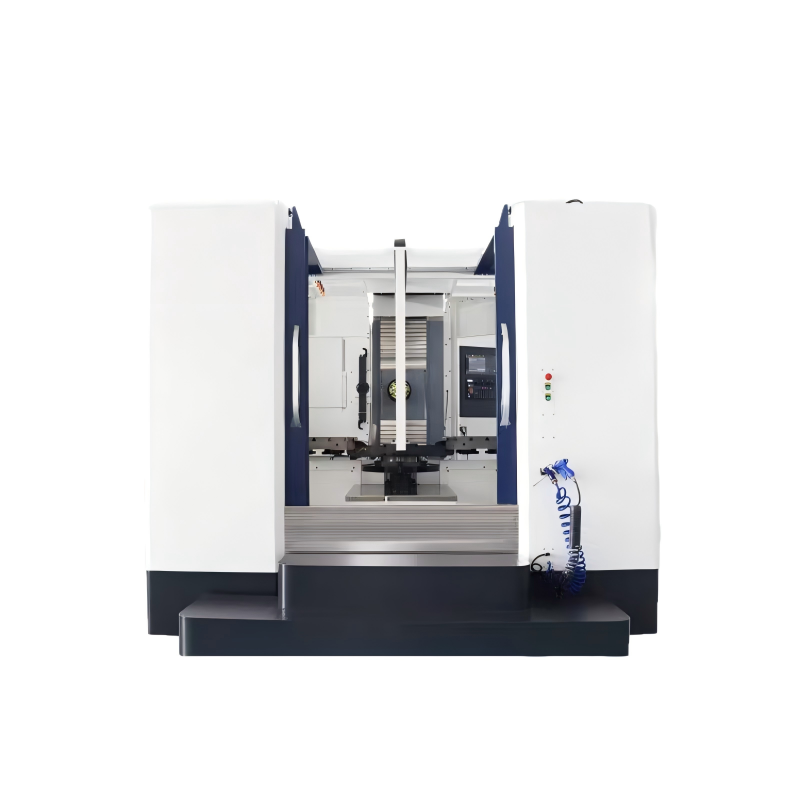
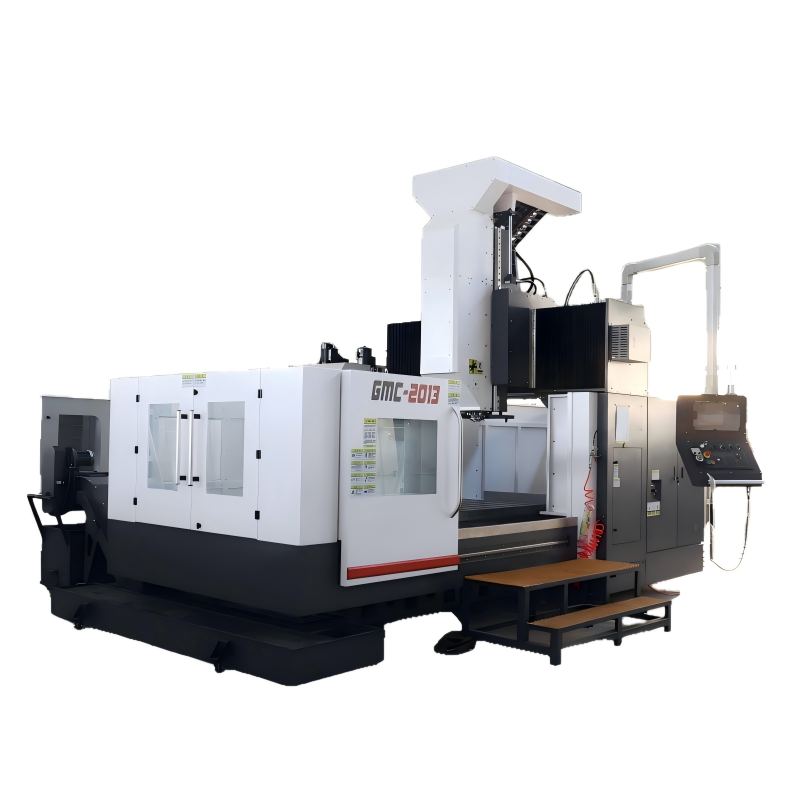
In the realm of precision engineering, the fabrication of long shafts is a critical process that demands high accuracy and reliability. This technical report delves into the importance of deep hole machining accuracy when using CNC lathes for long shafts, highlighting key aspects that contribute to the overall quality and performance of the final product.
Deep hole machining plays a pivotal role in the production of long shafts, as it ensures that the internal features of the shaft are precisely manufactured. The deep hole machining CNC Lathe for long shafts is specifically designed to handle the unique challenges associated with machining long, slender components. These machines are equipped with advanced technologies that allow for the precise control of cutting parameters, such as feed rate, spindle speed, and coolant flow, which are crucial for maintaining the dimensional accuracy and surface finish of the machined holes.
One of the primary benefits of using a CNC lathe for deep hole machining is the ability to achieve consistent and repeatable results. This is particularly important in industries such as aerospace, automotive, and energy, where the performance and safety of the final product depend heavily on the quality of the machined components. By employing a CNC lathe, manufacturers can ensure that each long shaft meets the required specifications, thereby reducing the risk of defects and improving overall product reliability.
Despite the advantages offered by CNC lathes, deep hole machining for long shafts presents several challenges that must be addressed to ensure optimal results. One of the main challenges is the potential for tool deflection and vibration, which can lead to inaccuracies in the machined hole. To mitigate these issues, it is essential to use high-quality cutting tools and to carefully select the appropriate cutting parameters. Additionally, the use of specialized tooling, such as gun drills or BTA (Boring and Trepanning Association) tools, can help to minimize deflection and improve the stability of the machining process.
Another challenge is the effective removal of chips and swarf from the machining area. In deep hole machining, chip evacuation is critical to prevent clogging and overheating, which can damage both the tool and the workpiece. Modern CNC lathes are often equipped with through-spindle coolant systems that deliver high-pressure coolant directly to the cutting zone, facilitating efficient chip removal and cooling. This not only enhances the machining process but also extends the life of the cutting tools.
Achieving high accuracy in deep hole machining is essential for the successful production of long shafts. Several factors contribute to the overall accuracy of the machining process, including the rigidity of the machine, the precision of the tooling, and the effectiveness of the measurement and inspection methods. A robust and stable CNC lathe is the foundation for accurate machining, as it provides the necessary support and stability to maintain the desired tolerances throughout the machining operation.
High-precision tooling is another critical component of the machining process. The use of high-quality cutting tools, such as carbide or diamond-coated inserts, can significantly improve the accuracy and surface finish of the machined holes. Additionally, the implementation of advanced measurement and inspection techniques, such as coordinate measuring machines (CMMs) and laser scanning, allows for the verification of the machined dimensions and the detection of any deviations from the specified tolerances.
Finally, the integration of advanced software and control systems in CNC lathes enables the optimization of the machining process. Features such as adaptive control, which automatically adjusts the cutting parameters based on real-time feedback, can help to maintain consistent performance and reduce the risk of errors. Furthermore, the use of simulation and modeling software can aid in the planning and optimization of the machining strategy, ensuring that the final product meets the highest standards of quality and accuracy.
In conclusion, the importance of deep hole machining accuracy in the production of long shafts cannot be overstated. By utilizing a Deep hole machining CNC lathe for long shafts, manufacturers can overcome the challenges associated with this complex process and achieve the high levels of precision and reliability required in demanding applications. Through the careful selection of cutting tools, the implementation of effective chip management strategies, and the use of advanced measurement and control systems, it is possible to produce long shafts that meet the stringent requirements of modern engineering.
 17/06/2026
Understanding the Importance of Precision in Long Shaft MachiningIn the manufacturing industry, precision is not just a preference but a necessity. When it comes to long shaft machining, this principle becomes even more critical. The use of deep hole mach
Read More16/06/2026In the realm of precision engineering, the production of long shafts with deep holes is a critical process that demands high accuracy and efficiency. The use of Deep hole machining CNC lathe for long shafts has become an indispensable tool in this field,
Read More16/06/2026In the realm of precision engineering, the ability to efficiently and accurately machine deep holes in long shafts is a critical skill. This process, often carried out using Deep hole machining CNC lathe for long shafts, presents unique challenges that re
Read More15/06/2026In the realm of precision engineering, advancements in CNC (Computer Numerical Control) lathe technologies have significantly transformed the manufacturing landscape, particularly when it comes to the production of long shafts. This report delves into the
Read More15/06/2026Introduction to Deep Hole Machining for Long Shafts Deep hole machining is a critical process in the manufacturing of precision long shafts, especially those used in industries such as aerospace, automotive, and energy. This technique involves drilling ho
Read MoreOur professional sales team is always ready to assist you.