Introduction
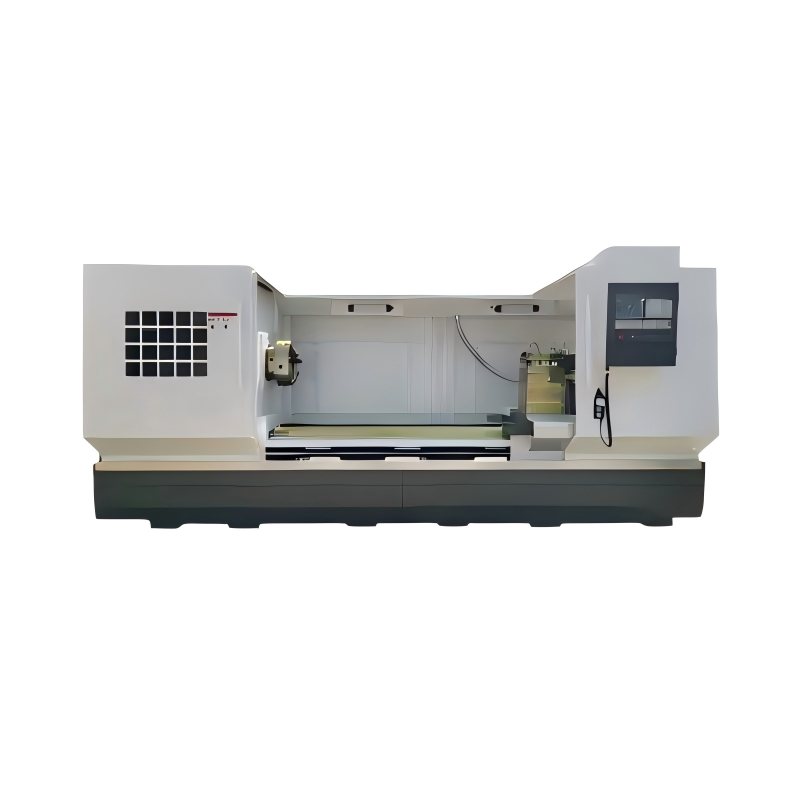
The CNC lathe with flat bed is an essential tool in modern manufacturing, known for its precision and versatility. However, like all machinery, it requires regular maintenance to ensure optimal performance and longevity. This technical report aims to provide a comprehensive guide on the best practices for maintaining your CNC Lathe with flat bed, covering key areas such as cleaning, lubrication, and calibration.
Maintaining a clean environment for your CNC lathe with flat bed is crucial for its long-term functionality. Dust, debris, and coolant residues can accumulate over time, leading to reduced efficiency and potential damage to the machine. A routine cleaning schedule should be established, including daily, weekly, and monthly tasks. Daily cleaning should involve removing chips and swarf from the work area, while more thorough inspections and cleaning of the flat bed, spindle, and other critical components should be conducted weekly. Monthly, it’s advisable to perform a deep clean, paying special attention to hard-to-reach areas and ensuring that all moving parts are free from contaminants. Regular inspection of the machine for any signs of wear or damage is also important, allowing for timely repairs and replacements.
Lubrication plays a vital role in reducing friction and wear on the moving parts of your CNC lathe with flat bed. It is essential to use the correct type of lubricant, as specified by the manufacturer, and to apply it according to the recommended intervals. Over-lubrication can lead to contamination and increased wear, while under-lubrication can cause excessive friction and heat, potentially damaging the machine. The lubrication system should be checked regularly for leaks, and any worn or damaged seals should be replaced promptly. Additionally, the quality of the lubricant should be monitored, and it should be changed when it becomes contaminated or degrades. Proper lubrication not only extends the life of the machine but also ensures smooth and precise operation.
Accurate calibration and alignment are critical for maintaining the precision of your CNC lathe with flat bed. Over time, the machine can become misaligned due to wear, temperature changes, or external factors. Regular calibration checks should be performed to ensure that the machine is operating within the specified tolerances. This includes checking the alignment of the flat bed, the accuracy of the spindle, and the positioning of the tooling. Any deviations should be corrected immediately to prevent the production of defective parts. Additionally, it is important to calibrate the machine after any major repairs or adjustments. Calibration should be performed using high-precision tools and following the manufacturer’s guidelines. Regular calibration helps to maintain the machine’s accuracy and ensures consistent quality in the manufactured parts.
The software and control system of your CNC lathe with flat bed are just as important as the mechanical components. Regular updates to the control software are necessary to ensure that the machine is running the latest features and security patches. Backing up the control system data is also crucial to prevent data loss in case of a system failure. Additionally, the control system should be checked for any error messages or alarms, and these should be addressed promptly. Regularly inspecting the electrical connections and cables for any signs of wear or damage is also important. By maintaining the software and control system, you can ensure that your CNC lathe with flat bed operates efficiently and reliably, minimizing downtime and maximizing productivity.
Proper training and documentation are essential for the effective maintenance of your CNC lathe with flat bed. All operators and maintenance personnel should be trained on the proper use and care of the machine. This includes understanding the machine’s capabilities, limitations, and safety protocols. Comprehensive documentation, including user manuals, maintenance logs, and repair records, should be kept up to date and easily accessible. Training sessions should be conducted regularly to refresh the knowledge of the staff and to introduce them to any new procedures or technologies. By investing in training and maintaining accurate documentation, you can ensure that your team is well-equipped to handle the maintenance of the CNC lathe with flat bed, leading to better overall performance and reliability.
Conclusion
Maintaining your CNC lathe with flat bed is a multifaceted process that involves regular cleaning and inspection, proper lubrication, accurate calibration, and diligent software and control system maintenance. By following these best practices, you can ensure that your machine operates at its best, producing high-quality parts consistently. Additionally, investing in training and maintaining comprehensive documentation will further enhance the effectiveness of your maintenance efforts. With the right approach, your CNC lathe with flat bed will continue to be a valuable asset in your manufacturing operations for years to come.
 19/06/2026
In the modern manufacturing landscape, the efficiency and precision of machinery play a pivotal role in determining the overall productivity and quality of the output. Among the various types of lathes available, CNC lathes with flat beds stand out as a r
Read More18/06/2026The Rise of CNC Technology in MachiningComputer Numerical Control (CNC) technology has revolutionized the manufacturing industry, particularly in the field of machining. Among the various types of CNC machines, the CNC lathe with flat bed stands out as a
Read More18/06/2026Understanding the Basics of a CNC Lathe with Flat BedA CNC lathe with flat bed is a highly versatile machine tool, designed to perform a wide range of machining operations on various materials. The flat bed design provides a stable platform for workpieces
Read More17/06/2026Understanding the Basics of CNC Lathes with Flat BedsA CNC lathe with flat bed is a versatile and essential tool in modern manufacturing, capable of producing high-precision parts. The term "CNC" stands for Computer Numerical Control, which means that the
Read More17/06/2026In the realm of precision machining, a CNC lathe with flat bed stands out as an essential tool for manufacturers seeking high accuracy and efficiency. This type of machine is designed to handle a wide range of materials and complex geometries, making it i
Read More16/06/2026In the realm of precision machining, the CNC lathe with flat bed stands out as a versatile and indispensable tool. This article delves into the role of CNC lathes with flat bed in precision machining, exploring their capabilities, advantages, and the impa
Read More16/06/2026In the realm of modern manufacturing, precision and efficiency are paramount. A CNC lathe with flat bed represents a significant advancement in machining technology, offering unparalleled accuracy and versatility. This article delves into how to optimize
Read More15/06/2026In the realm of modern manufacturing, precision and efficiency are paramount. One tool that has significantly contributed to these aspects is the CNC lathe with flat bed. This article delves into the capabilities of such machines, exploring their unique f
Read More15/06/2026Introduction to CNC Lathes with Flat BedA CNC lathe with flat bed represents a significant advancement in the field of machining, offering precision, efficiency, and versatility. This type of lathe is distinguished by its design, which features a flat sur
Read More28/05/2026The development of CNC (Computer Numerical Control) lathes has revolutionized the manufacturing industry, offering unparalleled precision and efficiency. Among the many design considerations that go into creating a high-performance CNC lathe, the flat bed
Read More28/05/2026In the realm of precision machining, the CNC lathe with flat bed stands out as a versatile tool capable of producing high-accuracy parts efficiently. This type of machine is particularly popular in industries where both speed and accuracy are paramount. H
Read More28/05/2026In the realm of precision machining, the CNC lathe with flat bed stands out as a versatile and highly efficient tool. This report delves into the advantages of using a CNC lathe with flat bed, providing insights into its operational benefits, application
Read MoreOur professional sales team is always ready to assist you.