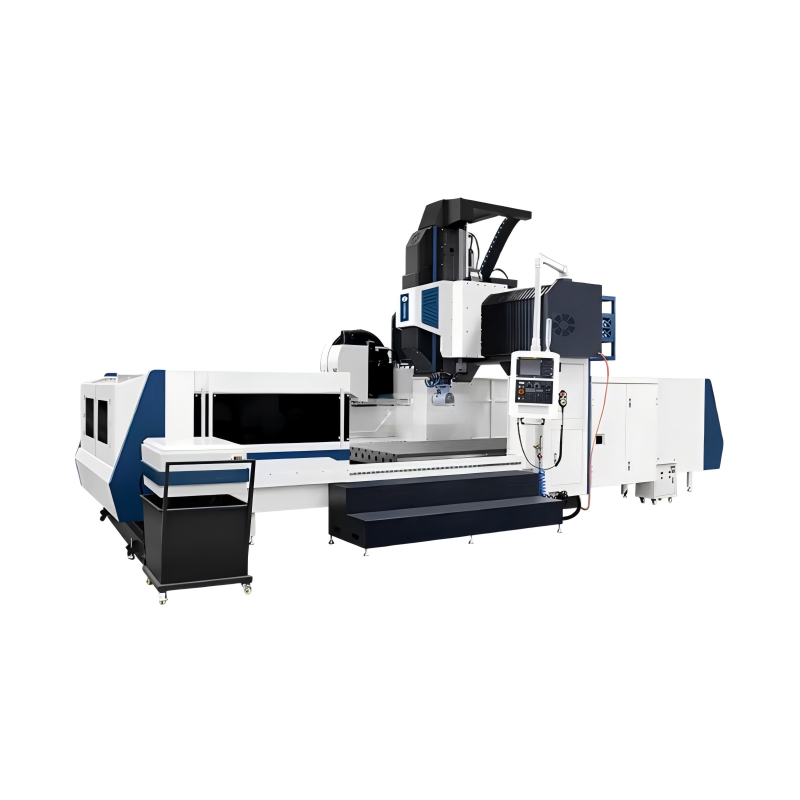
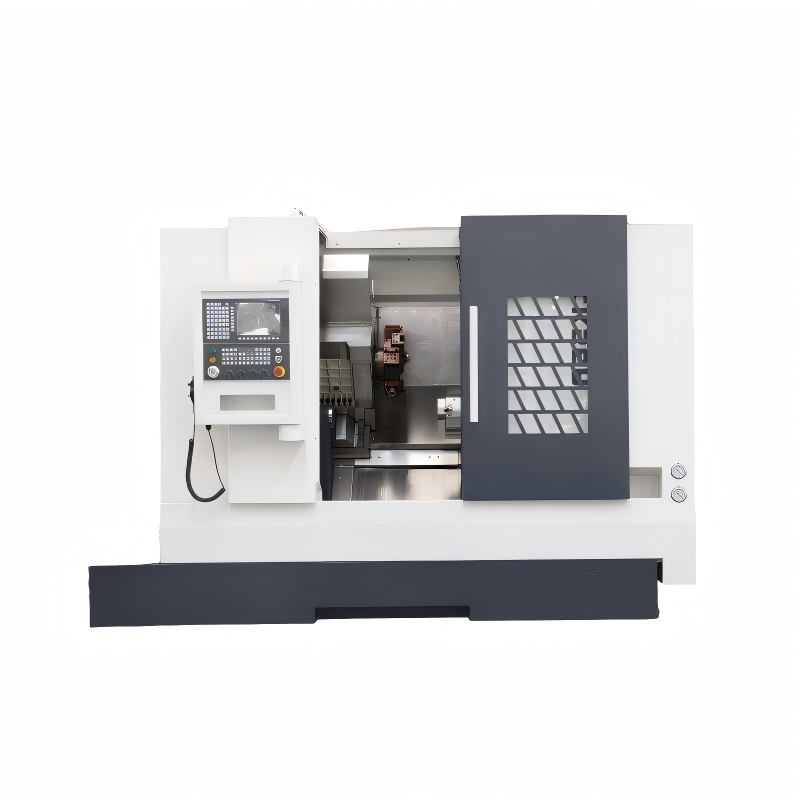
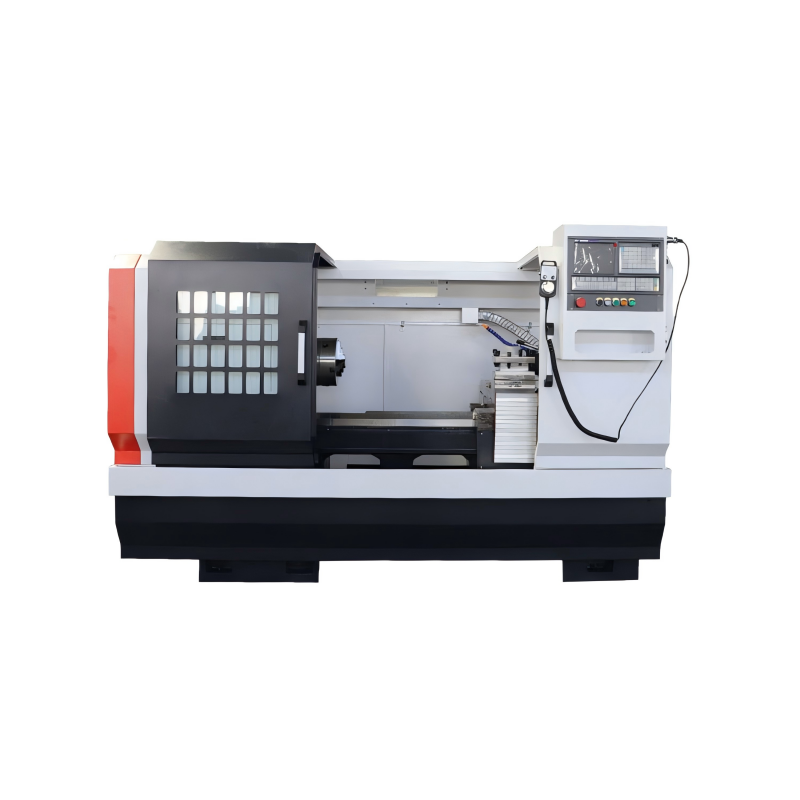
In the modern manufacturing landscape, the efficiency and precision of machinery play a pivotal role in determining the overall productivity and quality of the output. Among the various types of lathes available, CNC lathes with flat beds stand out as a robust solution for high-precision machining. This report delves into the advantages and applications of advanced CNC Lathes with flat beds, highlighting how they can maximize productivity in manufacturing environments.
One of the primary advantages of using a CNC lathe with a flat bed is the enhanced precision and accuracy it offers. These machines are equipped with advanced control systems that allow for precise tool positioning and movement. The flat bed design provides a stable and rigid platform, which minimizes vibrations and ensures consistent cutting performance. This level of precision is crucial in industries such as aerospace, automotive, and medical, where even the slightest deviation can lead to significant issues. By utilizing a CNC lathe with a flat bed, manufacturers can achieve tighter tolerances and produce parts with exceptional surface finish, reducing the need for secondary operations and improving overall product quality.
Efficiency is another key factor that makes CNC lathes with flat beds a preferred choice in many manufacturing settings. These machines are designed to handle a wide range of materials, from metals like aluminum and steel to more exotic alloys. The ability to perform multiple operations in a single setup, such as turning, milling, drilling, and threading, significantly reduces the time required for part production. Additionally, the use of automated tool changers and advanced programming capabilities allows for seamless transitions between different operations, further enhancing throughput. Manufacturers can also benefit from reduced setup times, as these lathes often come with features like quick-change tooling and modular workholding systems. This combination of versatility and speed makes CNC lathes with flat beds an excellent choice for high-volume production runs and just-in-time manufacturing processes.
Safety and ergonomics are critical considerations in any manufacturing environment. CNC lathes with flat beds are designed with operator safety in mind, featuring enclosed working areas and automatic door systems that prevent access during operation. This not only protects the operator from potential hazards but also helps to maintain a clean and organized workspace. Moreover, the ergonomic design of these machines, including user-friendly controls and intuitive interfaces, reduces operator fatigue and improves overall comfort. This is particularly important in high-production environments where operators may be working long shifts. By prioritizing safety and ergonomics, manufacturers can create a more productive and sustainable work environment, leading to higher employee satisfaction and lower turnover rates.
While the initial investment in a CNC lathe with a flat bed may be higher compared to traditional lathes, the long-term benefits often justify the cost. These machines are built to last, with durable construction and high-quality components that ensure longevity and reliability. The reduced need for manual intervention and the ability to run unattended for extended periods can lead to significant labor savings. Furthermore, the improved precision and efficiency result in lower scrap rates and reduced material waste, contributing to cost savings over time. Maintenance costs are also minimized due to the robust design and the availability of predictive maintenance tools, which help to identify and address potential issues before they become major problems. In summary, the initial investment in a CNC lathe with a flat bed is a strategic decision that can yield substantial returns through increased productivity, improved quality, and lower operational costs.
The integration of CNC lathes with flat beds into Industry 4.0 technologies is another significant advantage. These machines are often equipped with advanced communication protocols, such as Ethernet, Wi-Fi, and other industrial networking standards, allowing for seamless integration with other manufacturing systems. This connectivity enables real-time monitoring and data collection, which can be used for process optimization, predictive maintenance, and quality control. For example, machine learning algorithms can analyze production data to identify patterns and trends, helping to optimize tool paths and reduce cycle times. Additionally, the ability to remotely monitor and control these lathes enhances flexibility and responsiveness, enabling manufacturers to quickly adapt to changing production demands. As the manufacturing industry continues to evolve towards more connected and intelligent systems, CNC lathes with flat beds are well-positioned to support these advancements and drive future growth.
In conclusion, CNC lathes with flat beds offer a multitude of benefits that can significantly enhance the productivity and efficiency of manufacturing operations. From their superior precision and accuracy to their versatility and ease of use, these machines are a valuable asset for any modern manufacturing facility. By investing in advanced CNC lathes with flat beds, manufacturers can achieve higher levels of productivity, improve product quality, and stay competitive in a rapidly evolving market.
 19/06/2026
IntroductionThe CNC lathe with flat bed is an essential tool in modern manufacturing, known for its precision and versatility. However, like all machinery, it requires regular maintenance to ensure optimal performance and longevity. This technical report
Read More18/06/2026The Rise of CNC Technology in MachiningComputer Numerical Control (CNC) technology has revolutionized the manufacturing industry, particularly in the field of machining. Among the various types of CNC machines, the CNC lathe with flat bed stands out as a
Read More18/06/2026Understanding the Basics of a CNC Lathe with Flat BedA CNC lathe with flat bed is a highly versatile machine tool, designed to perform a wide range of machining operations on various materials. The flat bed design provides a stable platform for workpieces
Read More17/06/2026Understanding the Basics of CNC Lathes with Flat BedsA CNC lathe with flat bed is a versatile and essential tool in modern manufacturing, capable of producing high-precision parts. The term "CNC" stands for Computer Numerical Control, which means that the
Read More17/06/2026In the realm of precision machining, a CNC lathe with flat bed stands out as an essential tool for manufacturers seeking high accuracy and efficiency. This type of machine is designed to handle a wide range of materials and complex geometries, making it i
Read More16/06/2026In the realm of precision machining, the CNC lathe with flat bed stands out as a versatile and indispensable tool. This article delves into the role of CNC lathes with flat bed in precision machining, exploring their capabilities, advantages, and the impa
Read More16/06/2026In the realm of modern manufacturing, precision and efficiency are paramount. A CNC lathe with flat bed represents a significant advancement in machining technology, offering unparalleled accuracy and versatility. This article delves into how to optimize
Read More15/06/2026In the realm of modern manufacturing, precision and efficiency are paramount. One tool that has significantly contributed to these aspects is the CNC lathe with flat bed. This article delves into the capabilities of such machines, exploring their unique f
Read More15/06/2026Introduction to CNC Lathes with Flat BedA CNC lathe with flat bed represents a significant advancement in the field of machining, offering precision, efficiency, and versatility. This type of lathe is distinguished by its design, which features a flat sur
Read More28/05/2026The development of CNC (Computer Numerical Control) lathes has revolutionized the manufacturing industry, offering unparalleled precision and efficiency. Among the many design considerations that go into creating a high-performance CNC lathe, the flat bed
Read More28/05/2026In the realm of precision machining, the CNC lathe with flat bed stands out as a versatile tool capable of producing high-accuracy parts efficiently. This type of machine is particularly popular in industries where both speed and accuracy are paramount. H
Read More28/05/2026In the realm of precision machining, the CNC lathe with flat bed stands out as a versatile and highly efficient tool. This report delves into the advantages of using a CNC lathe with flat bed, providing insights into its operational benefits, application
Read MoreOur professional sales team is always ready to assist you.