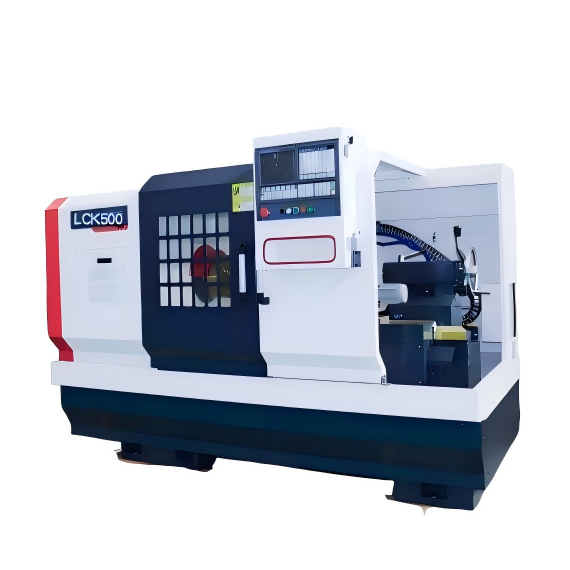
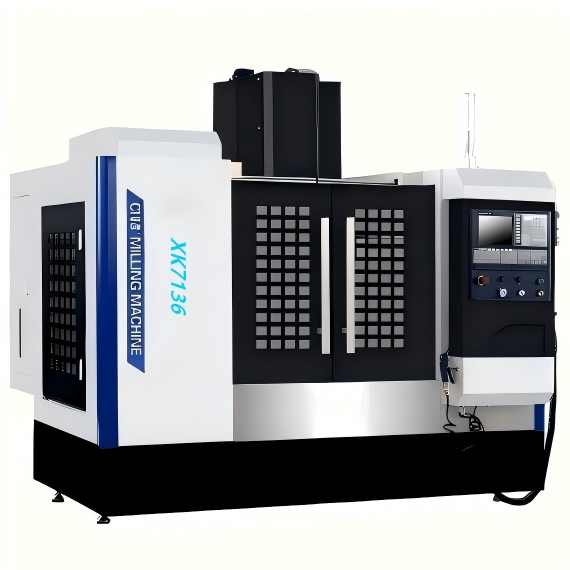
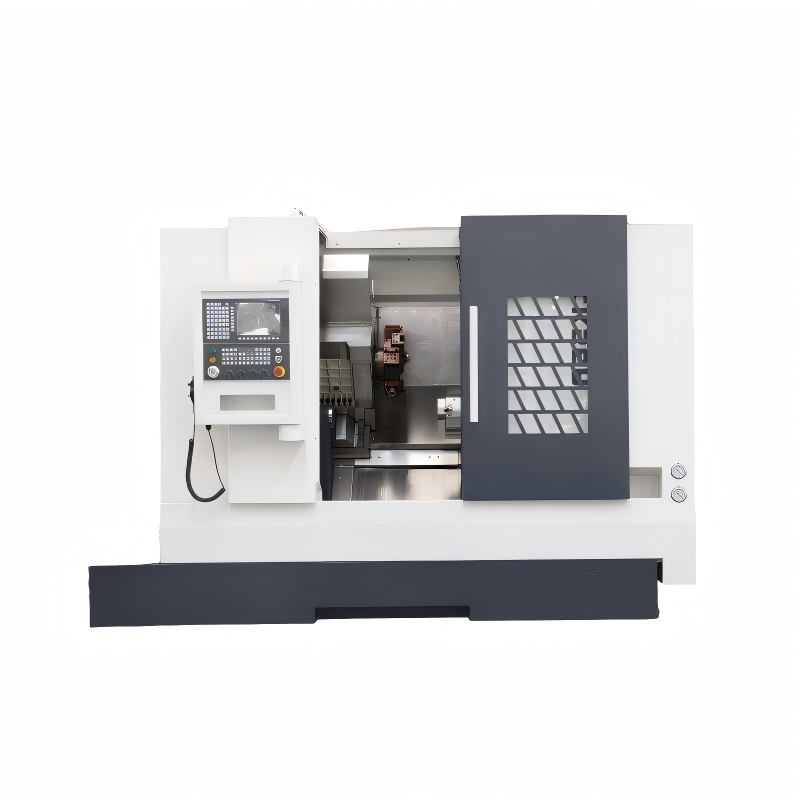
In today's rapidly evolving manufacturing landscape, the adoption of advanced technology is crucial for businesses aiming to stay competitive. Among the key technologies driving this transformation, Precision Milling Machines stand out as a pivotal element. These machines not only enhance product quality but also significantly boost operational efficiency. This report delves into the ways in which advanced precision milling machines can be leveraged to maximize efficiency in manufacturing processes.
Precision milling machines are designed with state-of-the-art technology that allows for unparalleled accuracy in material removal. The integration of high-precision components, such as linear guides and ball screws, ensures that the machine can achieve tolerances within microns. This level of accuracy is critical in industries where even the slightest deviation can lead to significant quality issues or product failures. By minimizing errors, these machines reduce the need for rework and scrap, thereby saving both time and materials. Additionally, the use of advanced software and control systems enables real-time monitoring and adjustment, further enhancing the precision of the milling process.
One of the most significant advantages of advanced precision milling machines is their ability to automate complex and repetitive tasks. Modern CNC (Computer Numerical Control) systems allow for the programming of intricate milling operations, which can be executed with minimal human intervention. This automation not only increases the speed of production but also reduces the likelihood of human error. Furthermore, many precision milling machines come equipped with features such as automatic tool changers and pallet changers, which enable continuous operation without the need for frequent stops. This seamless workflow translates into higher productivity and more consistent output, making it easier for manufacturers to meet tight deadlines and scale up production as needed.
Advanced precision milling machines are designed with energy efficiency in mind. Many models incorporate energy-saving features such as variable-speed drives, which adjust the motor speed based on the workload, thereby reducing power consumption. Additionally, the use of high-efficiency motors and optimized cooling systems helps to minimize energy waste. Beyond energy savings, these machines are also built to require less maintenance. The use of high-quality materials and robust construction techniques ensures that the machines can operate reliably over long periods without the need for frequent repairs. This not only reduces downtime but also lowers the overall cost of ownership, making precision milling machines a cost-effective solution for manufacturers.
The manufacturing industry is characterized by its dynamic nature, with changing customer demands and market conditions requiring flexibility and adaptability. Advanced precision milling machines offer the versatility needed to handle a wide range of materials and part geometries. The ability to quickly reprogram and reconfigure the machine for different tasks makes it an ideal choice for manufacturers who need to switch between various products or respond to new design requirements. Moreover, the integration of Industry 4.0 technologies, such as IoT (Internet of Things) and AI (Artificial Intelligence), enables these machines to collect and analyze data in real-time, providing valuable insights for process optimization and predictive maintenance. This data-driven approach not only enhances the efficiency of the milling process but also supports continuous improvement and innovation.
Safety is a paramount concern in any manufacturing environment, and precision milling machines are no exception. Advanced models come equipped with a range of safety features, including emergency stop buttons, safety interlocks, and protective enclosures, to ensure the well-being of operators and prevent accidents. Additionally, these machines are designed to comply with international safety standards, providing peace of mind for manufacturers. By adhering to these standards, companies can avoid potential legal and financial repercussions, while also maintaining a positive reputation in the industry. The integration of safety features and compliance measures not only protects the workforce but also contributes to a more efficient and sustainable manufacturing process.
In conclusion, the adoption of advanced precision milling machines offers numerous benefits for manufacturers looking to maximize efficiency and stay ahead in a competitive market. From enhancing accuracy and reducing waste to increasing productivity through automation, optimizing energy consumption and maintenance, facilitating flexibility and adaptability, and ensuring safety and compliance, these machines are a valuable asset for any modern manufacturing operation. As technology continues to advance, the capabilities of precision milling machines will only grow, further cementing their role as a cornerstone of efficient and high-quality manufacturing.
 28/06/2026
In the realm of manufacturing and engineering, precision milling machines play a pivotal role in producing high-accuracy components. This report delves into the recent advancements in precision milling machine technology, highlighting key innovations that
Read More26/06/2026In the realm of modern manufacturing, precision is not just a preference but a necessity. The advent of advanced technologies has paved the way for more accurate and efficient production processes, with Precision Milling Machines playing a pivotal role in
Read More25/06/2026In the realm of manufacturing, precision is not just a preference but a necessity. A high-quality Precision Milling Machine stands out as an indispensable tool for achieving the exacting standards required in today’s competitive market. This report delves
Read MoreOur professional sales team is always ready to assist you.