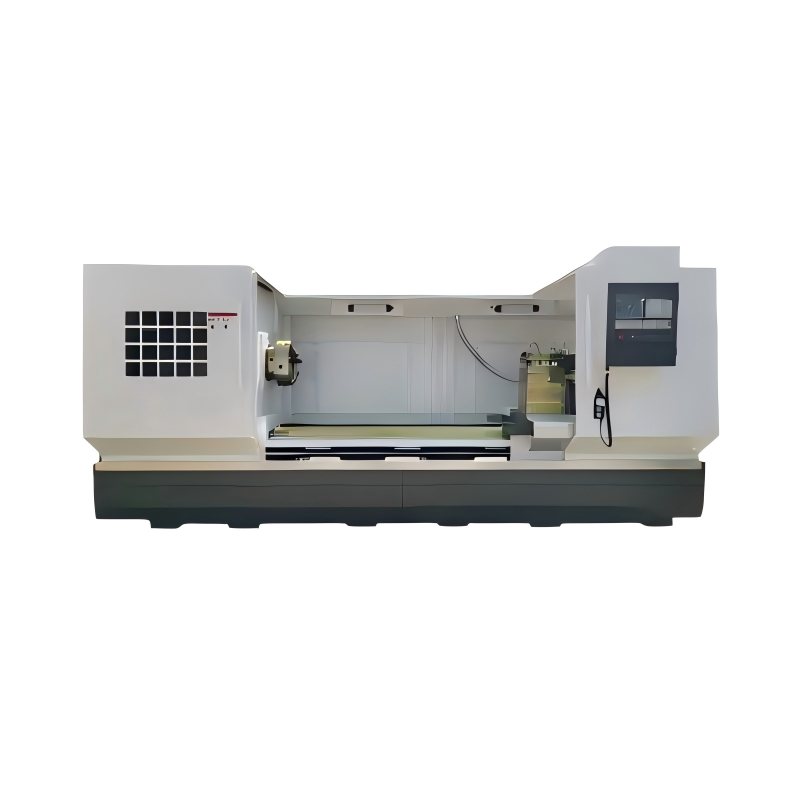
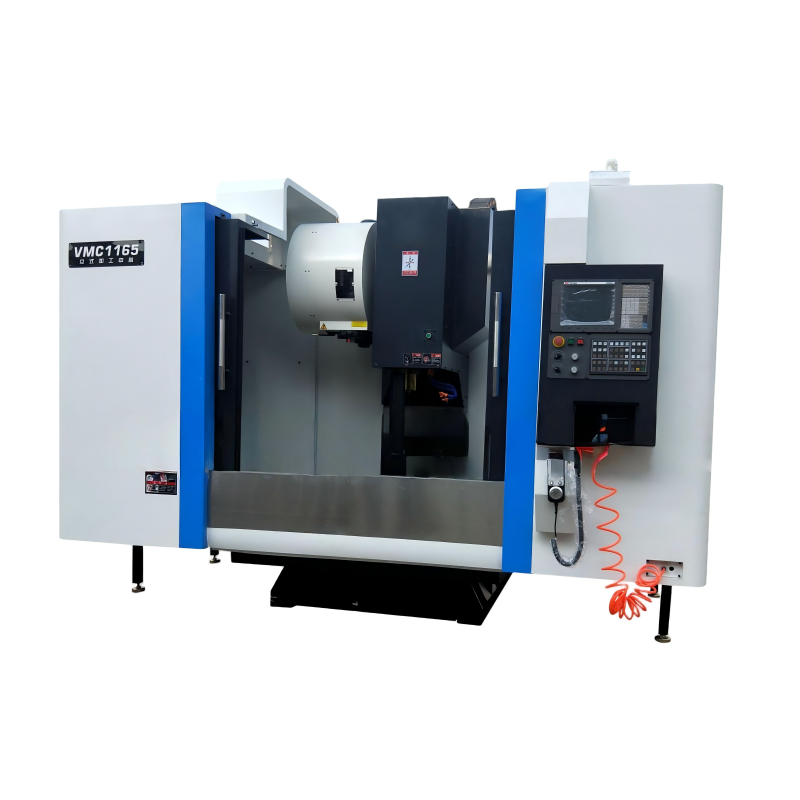
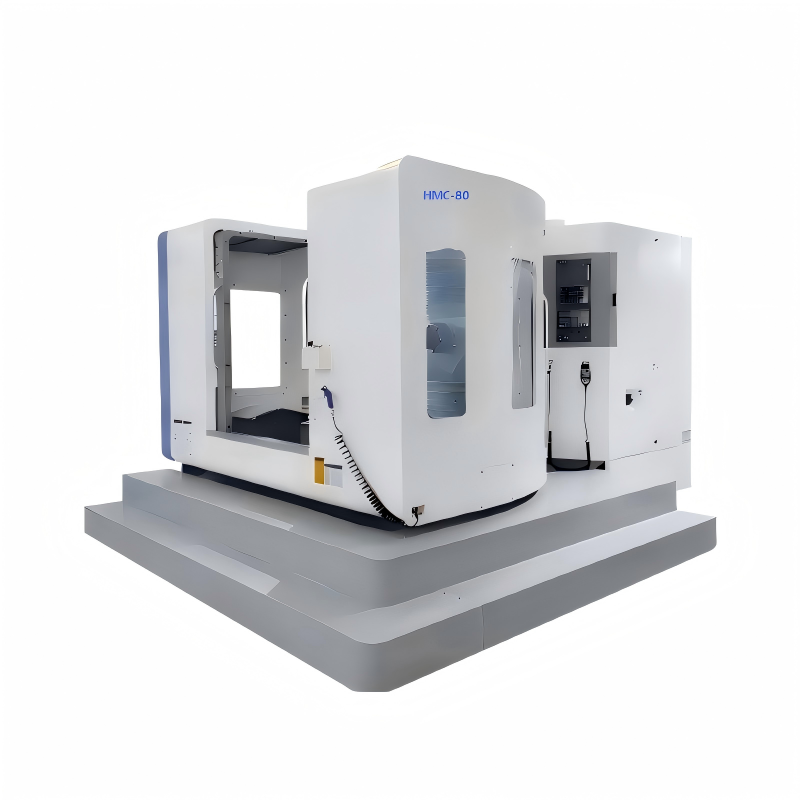
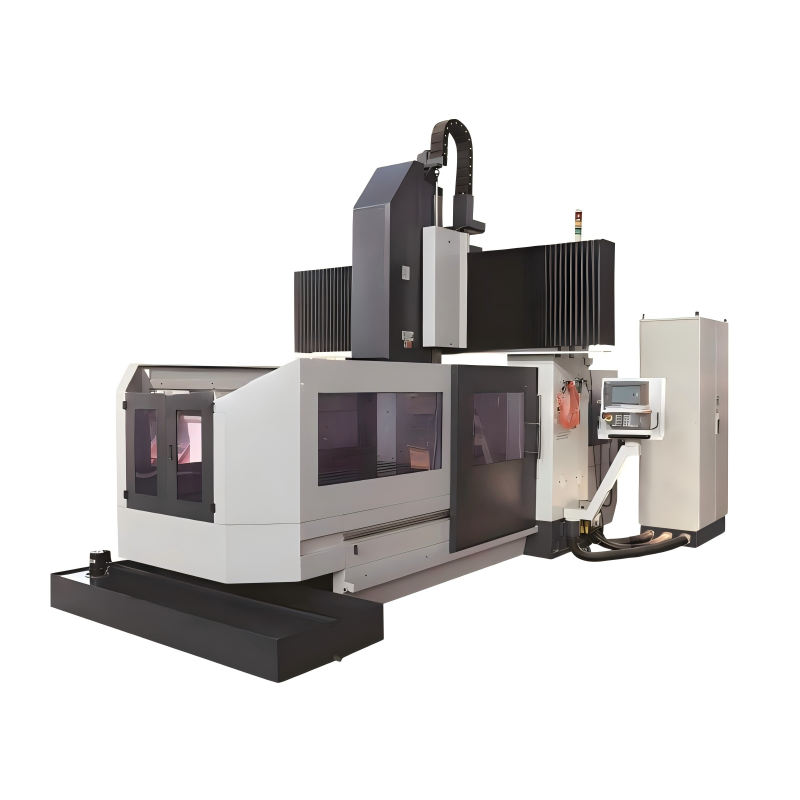
In the realm of modern manufacturing, precision and efficiency are paramount. A 2-Axis CNC Turning Center is a critical tool that allows manufacturers to achieve these goals with unparalleled accuracy. This technical report delves into the intricacies of how a 2-Axis CNC Turning Machine can maximize precision, providing insights into its operation, benefits, and applications. By understanding the capabilities of this advanced machinery, manufacturers can enhance their production processes and deliver high-quality products.
A 2-Axis CNC Turning Center is a computer-controlled machine that operates on two axes: X and Z. The X-axis controls the cross slide, which moves the cutting tool laterally, while the Z-axis controls the spindle, which rotates the workpiece. This configuration allows for precise control over the cutting process, enabling the machine to produce complex and accurate parts. The 2-Axis CNC Turning Center is particularly well-suited for cylindrical parts, such as shafts, rods, and tubes, where the primary focus is on turning operations.
The integration of computer numerical control (CNC) technology in these machines ensures that the cutting tool follows a pre-programmed path with high precision. This level of automation minimizes human error and increases repeatability, making the 2-Axis CNC Turning Center an indispensable asset in high-volume production environments. Additionally, the ability to program and store multiple jobs allows for quick changeovers and reduces setup times, further enhancing productivity.
The 2-Axis CNC Turning Center boasts several key features that contribute to its precision and efficiency. One of the most significant advantages is its high-resolution feedback system, which continuously monitors the position of the cutting tool and workpiece. This real-time data ensures that any deviations from the programmed path are immediately corrected, resulting in highly accurate parts. The use of high-precision linear guides and ball screws also plays a crucial role in maintaining the machine's accuracy over extended periods of operation.
Another notable feature is the spindle's speed and power. Modern 2-Axis CNC Turning Centers are equipped with high-speed spindles that can reach up to 10,000 RPM or more. This high speed, combined with the machine's robust construction, allows for efficient material removal and the ability to handle a wide range of materials, including metals, plastics, and composites. The spindle's power also ensures that the machine can perform deep cuts and heavy-duty operations without compromising precision.
Furthermore, the 2-Axis CNC Turning Center often includes advanced tool management systems, such as automatic tool changers and tool presetters. These systems allow for rapid tool changes and ensure that the cutting tools are always in optimal condition, reducing downtime and increasing overall efficiency. The machine's software also supports various programming languages, such as G-code and M-code, enabling operators to create and modify programs with ease.
The versatility of the 2-Axis CNC Turning Center makes it a valuable asset across a wide range of industries. In the automotive sector, for example, these machines are used to produce engine components, transmission parts, and other critical components that require high precision. The ability to maintain tight tolerances and produce consistent results is essential in ensuring the reliability and performance of automotive parts.
In the aerospace industry, the 2-Axis CNC Turning Center is employed to manufacture components for aircraft engines, landing gear, and structural parts. The stringent quality standards in this industry demand the highest levels of precision, and the 2-Axis CNC Turning Center is well-equipped to meet these requirements. The machine's ability to handle exotic materials, such as titanium and high-strength alloys, further enhances its value in aerospace manufacturing.
The medical device industry is another area where the 2-Axis CNC Turning Center excels. Medical implants, surgical instruments, and other devices require extremely precise and repeatable manufacturing processes. The 2-Axis CNC Turning Center can produce these components with the necessary accuracy, ensuring that they meet the strict regulatory and safety standards. The machine's ability to handle small and intricate parts makes it an ideal choice for medical device manufacturing.
Additionally, the 2-Axis CNC Turning Center finds applications in the electronics industry, where it is used to produce connectors, housings, and other components. The precision and consistency provided by the machine are crucial in ensuring the functionality and reliability of electronic devices. The ability to produce high volumes of parts with minimal variation is a key advantage in this industry, where even the slightest deviation can affect the performance of the final product.
To ensure the longevity and optimal performance of a 2-Axis CNC Turning Center, regular maintenance and adherence to best practices are essential. Regular cleaning and lubrication of the machine's moving parts, such as the linear guides and ball screws, help to prevent wear and tear and maintain the machine's accuracy. It is also important to regularly check and calibrate the machine's feedback system to ensure that it continues to provide accurate positional data.
Proper tool management is another critical aspect of maintaining the 2-Axis CNC Turning Center. Regular inspection and replacement of worn or damaged cutting tools are necessary to avoid issues such as poor surface finish or dimensional inaccuracies. The use of tool presetters and automatic tool changers can help to streamline this process and ensure that the machine is always using the correct and properly conditioned tools.
Training and education for operators are also vital in maximizing the potential of the 2-Axis CNC Turning Center. Operators should be well-versed in the machine's programming language and have a thorough understanding of its capabilities and limitations. Regular training sessions and refresher courses can help to keep operators up-to-date with the latest techniques and best practices, ensuring that they can operate the machine effectively and efficiently.
Finally, the implementation of a comprehensive quality control system is essential in ensuring that the 2-Axis CNC Turning Center consistently produces high-quality parts. This includes regular inspections of the finished parts, as well as the use of statistical process control (SPC) techniques to monitor and control the manufacturing process. By continuously monitoring and improving the process, manufacturers can ensure that the 2-Axis CNC Turning Center delivers the precision and consistency required for their applications.
The 2-Axis CNC Turning Center is a powerful and versatile tool that plays a crucial role in modern manufacturing. Its ability to deliver high precision and efficiency makes it an invaluable asset in a wide range of industries, from automotive and aerospace to medical devices and electronics. By understanding the key features and capabilities of the 2-Axis CNC Turning Center, manufacturers can leverage its full potential to enhance their production processes and deliver high-quality products. Regular maintenance, proper tool management, and operator training are essential in ensuring the machine's longevity and optimal performance. As technology continues to advance, the 2-Axis CNC Turning Center will remain a cornerstone of precision manufacturing, driving innovation and excellence in the industry.
 23/06/2026
In the realm of precision machining, the 2-Axis CNC Turning Center stands out as a versatile and efficient solution for a wide range of manufacturing applications. This technology has revolutionized the way parts are produced, offering numerous advantages
Read More23/06/2026The manufacturing industry has witnessed a remarkable transformation over the past few decades, with advancements in technology playing a pivotal role. One such technological marvel that has significantly impacted the sector is the 2-Axis CNC Turning Cent
Read More23/06/2026Understanding the Basics of 2-Axis CNC Turning CentersThe advent of Computer Numerical Control (CNC) technology has revolutionized the manufacturing industry, enabling greater precision, efficiency, and flexibility in production processes. Among the vario
Read More22/06/2026In the world of precision manufacturing, the 2-Axis CNC Turning Center stands out as a versatile and indispensable tool. This technology has revolutionized the production processes for many industries, offering an efficient and accurate method to shape ma
Read More22/06/2026In the realm of precision machining, the 2-Axis CNC Turning Center stands out as a powerful tool for enhancing productivity and efficiency. This report delves into the capabilities, advantages, and applications of the 2-Axis CNC Turning Center, providing
Read More22/06/2026Introduction to 2-Axis CNC Turning CentersA 2-Axis CNC (Computer Numerical Control) turning center is a type of machine tool used for shaping metal, plastic, and other materials. This device operates along two axes, the X-axis and the Z-axis, which are cr
Read More22/06/2026In the realm of precision machining, 2-Axis CNC Turning Centers stand out as versatile and efficient tools for producing high-quality parts. This report delves into the capabilities of these machines, exploring their advantages, applications, and the tech
Read MoreOur professional sales team is always ready to assist you.