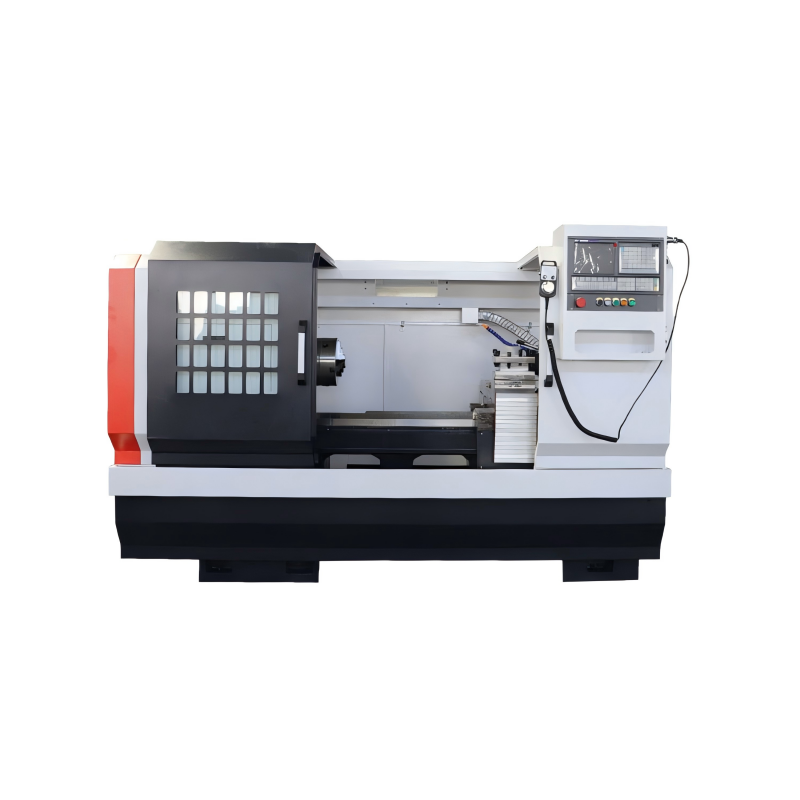
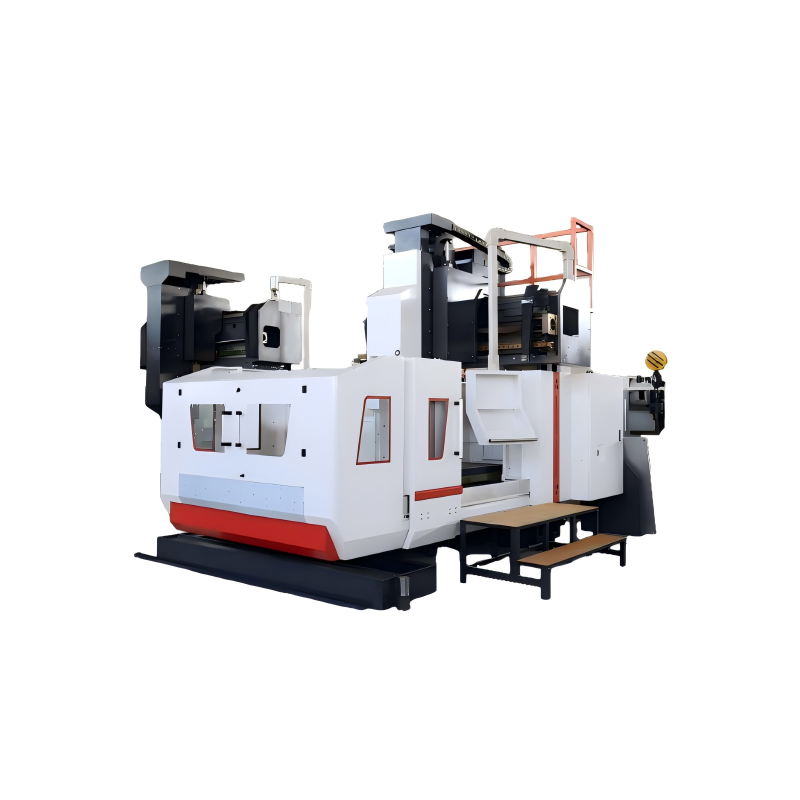
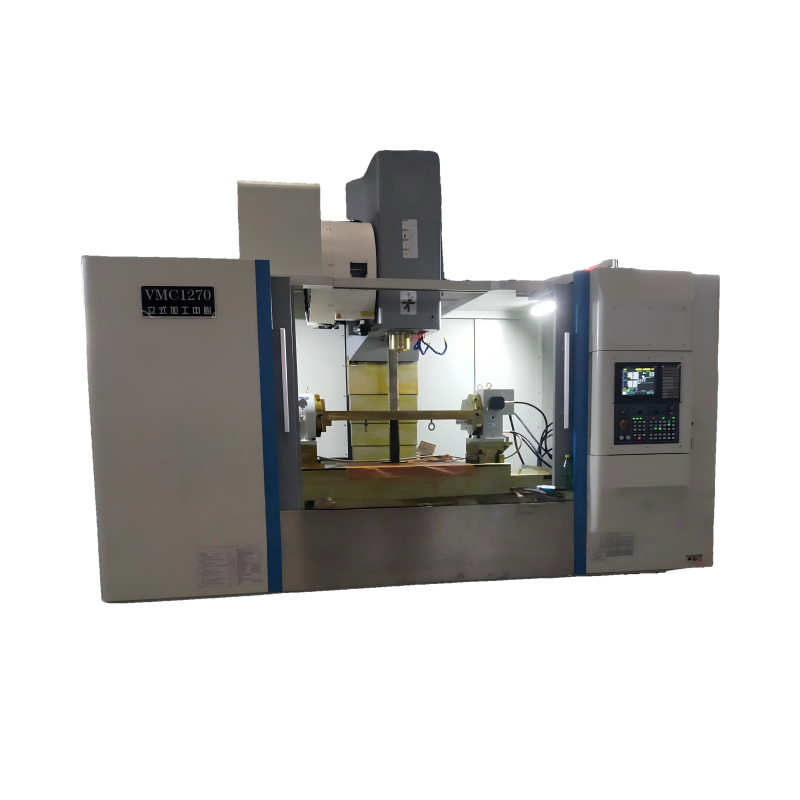
The advent of Computer Numerical Control (CNC) technology has revolutionized the manufacturing industry, enabling greater precision, efficiency, and flexibility in production processes. Among the various types of CNC machines, 2-Axis CNC Turning Centers stand out for their specialized capabilities in machining cylindrical or rotational parts. This section will provide an overview of what a 2-Axis CNC Turning Center is, its primary components, and how it operates.
A 2-Axis CNC Turning Center primarily involves two axes: X-axis and Z-axis. The X-axis controls the cross slide, which moves the cutting tool perpendicular to the workpiece's axis, while the Z-axis controls the longitudinal movement of the carriage, moving the tool parallel to the workpiece. Together, these axes allow for complex shapes and precise cuts on cylindrical surfaces. Key components include the spindle, chuck, tool turret, and control panel, all working in harmony to execute programmed instructions with high accuracy.
2-Axis CNC Turning Centers offer several advantages that make them indispensable in modern manufacturing. One major advantage is their ability to produce highly accurate and repeatable parts, thanks to the digital programming that guides every operation. This level of precision minimizes human error, leading to consistent quality across large batches of products. Additionally, these machines can operate continuously, significantly increasing productivity and reducing labor costs over time.
Another significant benefit lies in their versatility. 2-Axis CNC Turning Centers are capable of performing a wide range of operations such as turning, facing, drilling, threading, and more, all within a single setup. This not only saves time but also reduces the need for additional machinery, making them cost-effective solutions for many applications. Industries benefiting from this technology span from automotive and aerospace to medical and electronics, where the demand for precision and efficiency is paramount.
Furthermore, the integration of advanced software and automation features allows for easy programming and monitoring, even by operators with minimal training. Features like automatic tool changers, coolant systems, and real-time diagnostics enhance operational ease and reliability, further justifying the investment in 2-Axis CNC Turning Centers.
Selecting the appropriate 2-Axis CNC Turning Center involves considering several factors to ensure optimal performance and return on investment. Firstly, assessing your specific application requirements is crucial. Factors such as the size and type of materials you plan to machine, the complexity of the parts, and the desired production volume play key roles in determining the right machine. For instance, if you frequently work with small, intricate parts, a machine with high-speed spindles and fine positioning capabilities would be ideal.
Secondly, evaluating the technical specifications of potential machines is essential. Pay attention to aspects like maximum RPM, horsepower, travel length, and rapid traverse rates, as they directly impact the machine’s capacity and speed. Moreover, the availability of optional features, such as live tooling, C-axis capability, or Y-axis functionality, can add value by expanding the range of operations possible, thus enhancing the machine’s versatility.
Lastly, considering the manufacturer’s reputation, support services, and warranty terms is vital. A reliable supplier not only provides quality equipment but also offers comprehensive after-sales support, including maintenance, training, and timely spare parts supply. This ensures that any issues are resolved quickly, minimizing downtime and maximizing the machine’s uptime. Investing in a well-supported 2-Axis CNC Turning Center can lead to long-term savings and improved overall productivity.
To ensure the longevity and optimal performance of a 2-Axis CNC Turning Center, regular maintenance is essential. Routine checks and preventive maintenance can help identify and address potential issues before they escalate into major problems. Common maintenance tasks include lubricating moving parts, checking and replacing worn tools, inspecting electrical connections, and cleaning the machine to prevent debris buildup. Adhering to the manufacturer’s recommended maintenance schedule and using genuine replacement parts can significantly extend the machine’s lifespan.
Troubleshooting common issues is another critical aspect of maintaining a 2-Axis CNC Turning Center. Some frequent problems include tool wear, incorrect part dimensions, and unexpected machine stops. Effective troubleshooting involves systematically diagnosing the issue, often starting with reviewing the machine’s diagnostic logs and error messages. For example, if a part is consistently out of tolerance, checking the tool alignment, spindle runout, and fixture stability can help pinpoint the cause. Training operators in basic troubleshooting techniques and providing access to detailed manuals and online resources can empower them to resolve minor issues promptly, reducing downtime and improving overall efficiency.
Additionally, staying updated with the latest software updates and firmware upgrades is important. These updates often include bug fixes, performance enhancements, and new features that can improve the machine’s functionality and reliability. Regular training sessions for operators and maintenance personnel on the latest best practices and technologies can also contribute to better machine utilization and reduced maintenance costs.
The field of 2-Axis CNC Turning Centers continues to evolve, driven by advancements in technology and changing industry demands. One of the emerging trends is the integration of Industry 4.0 principles, such as the Internet of Things (IoT), artificial intelligence (AI), and data analytics. These technologies enable real-time monitoring, predictive maintenance, and smart decision-making, leading to increased efficiency and reduced downtime. For example, IoT sensors can monitor machine conditions, alerting operators to potential issues before they become critical, while AI algorithms can optimize cutting parameters to improve part quality and reduce material waste.
Another area of innovation is the development of hybrid machines that combine the capabilities of 2-Axis CNC Turning Centers with other machining functions, such as milling and grinding. These multi-tasking machines offer a one-stop solution for complex part manufacturing, reducing the need for multiple setups and transfers between different machines. This not only saves time but also improves part accuracy and consistency, as the entire process is controlled within a single, integrated system.
Moreover, advancements in material science and cutting tool technology are opening up new possibilities for 2-Axis CNC Turning Centers. New materials, such as advanced composites and high-strength alloys, require specialized tools and techniques. Manufacturers are developing cutting-edge tools and coatings that can handle these materials efficiently, ensuring that 2-Axis CNC Turning Centers remain at the forefront of precision machining. As the industry continues to innovate, 2-Axis CNC Turning Centers will likely become even more versatile, efficient, and integral to modern manufacturing processes.
 23/06/2026
In the realm of modern manufacturing, precision and efficiency are paramount. A 2-Axis CNC Turning Center is a critical tool that allows manufacturers to achieve these goals with unparalleled accuracy. This technical report delves into the intricacies of
Read More23/06/2026In the realm of precision machining, the 2-Axis CNC Turning Center stands out as a versatile and efficient solution for a wide range of manufacturing applications. This technology has revolutionized the way parts are produced, offering numerous advantages
Read More23/06/2026The manufacturing industry has witnessed a remarkable transformation over the past few decades, with advancements in technology playing a pivotal role. One such technological marvel that has significantly impacted the sector is the 2-Axis CNC Turning Cent
Read More22/06/2026In the world of precision manufacturing, the 2-Axis CNC Turning Center stands out as a versatile and indispensable tool. This technology has revolutionized the production processes for many industries, offering an efficient and accurate method to shape ma
Read More22/06/2026In the realm of precision machining, the 2-Axis CNC Turning Center stands out as a powerful tool for enhancing productivity and efficiency. This report delves into the capabilities, advantages, and applications of the 2-Axis CNC Turning Center, providing
Read More22/06/2026Introduction to 2-Axis CNC Turning CentersA 2-Axis CNC (Computer Numerical Control) turning center is a type of machine tool used for shaping metal, plastic, and other materials. This device operates along two axes, the X-axis and the Z-axis, which are cr
Read More22/06/2026In the realm of precision machining, 2-Axis CNC Turning Centers stand out as versatile and efficient tools for producing high-quality parts. This report delves into the capabilities of these machines, exploring their advantages, applications, and the tech
Read MoreOur professional sales team is always ready to assist you.