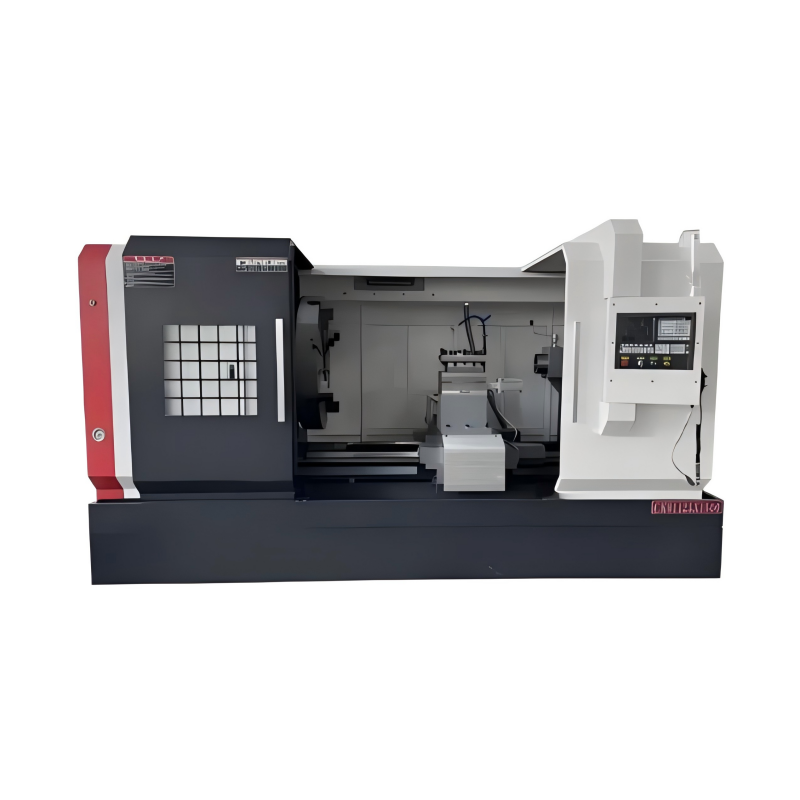
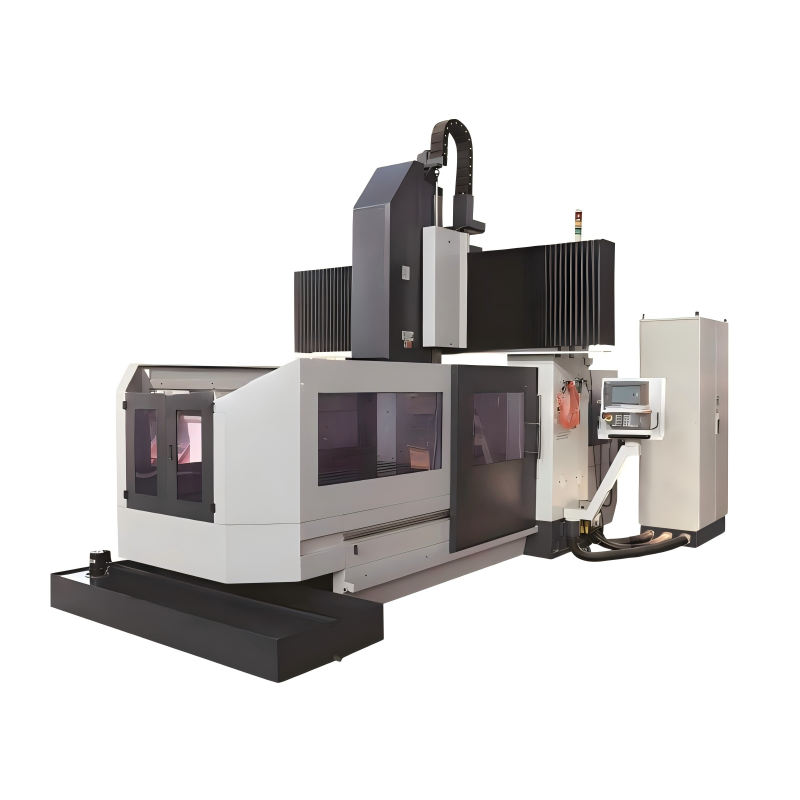
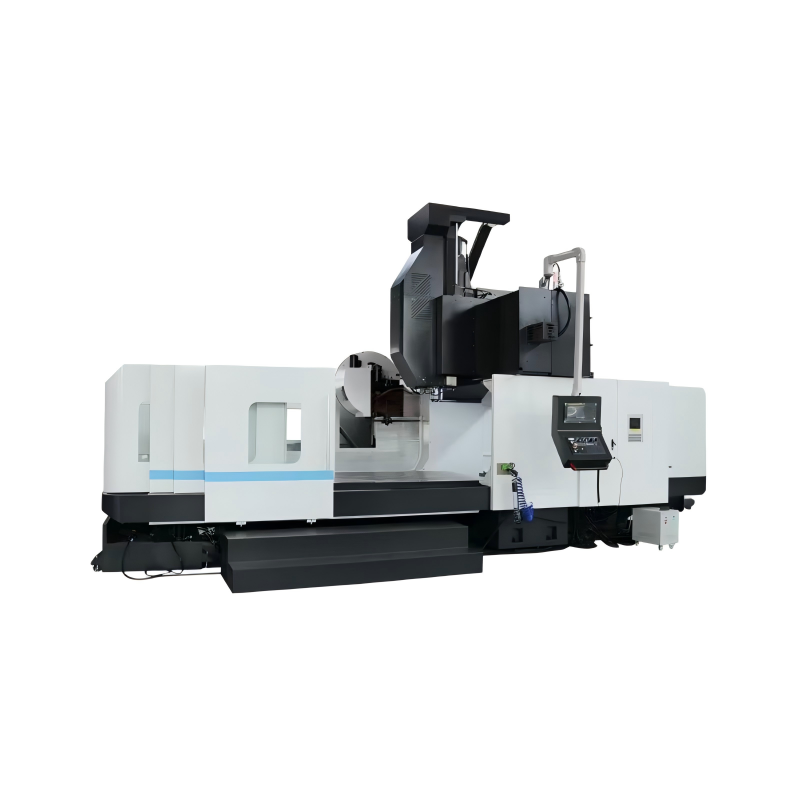
The advent of Computer Numerical Control (CNC) technology has revolutionized the manufacturing industry, significantly enhancing the precision, efficiency, and consistency of machining processes. Among the various CNC machines, the 2 Axis CNC Lathe stands out for its simplicity yet effectiveness in performing a wide range of turning operations. This report explores how the 2 Axis CNC Lathe contributes to improving machining accuracy, focusing on key aspects such as its operational principles, applications, and advantages over conventional lathes.
A 2 Axis CNC Lathe operates by moving along two axes: the X-axis, which controls the cross slide, and the Z-axis, responsible for the longitudinal motion. The combination of these movements allows for the creation of precise cylindrical shapes and features. Unlike manual lathes, where human operators control every aspect, CNC lathes use pre-programmed software to execute tasks, ensuring that each operation is carried out with high accuracy and repeatability. The programming process involves translating the design specifications into G-code, a language understood by the machine, enabling it to perform complex operations automatically. This automated approach minimizes human error, contributing to enhanced machining accuracy.
The versatility of the 2 Axis CNC Lathe makes it an invaluable tool across multiple industries, including automotive, aerospace, medical, and electronics. In the automotive sector, these machines are used for producing parts like shafts, gears, and pistons, where dimensional tolerances must be tightly controlled. For aerospace applications, the 2 Axis CNC Lathe is crucial for manufacturing components that require extreme precision, such as turbine blades and engine parts. Medical device manufacturers also rely on this technology to create intricate and delicate instruments, ensuring they meet stringent quality standards. The electronics industry benefits from the ability of 2 Axis CNC Lathes to produce small, precise components, critical for the functionality and reliability of electronic devices. By providing consistent and accurate results, the 2 Axis CNC Lathe supports the production of high-quality products, meeting the specific requirements of each industry.
Compared to traditional lathes, the 2 Axis CNC Lathe offers several advantages that contribute to improved machining accuracy. One of the primary benefits is the reduction in human error. Since the machine follows a programmed set of instructions, the variability introduced by manual operations is eliminated, leading to more consistent and reliable outcomes. Additionally, CNC lathes can operate continuously without fatigue, maintaining the same level of precision throughout long production runs. This capability is particularly beneficial for mass production, where maintaining quality across thousands of units is essential. Another advantage is the flexibility in programming. Once a program is created, it can be easily modified or reused for similar parts, saving time and reducing the setup costs associated with changing tools and settings. Furthermore, the 2 Axis CNC Lathe can handle a broader range of materials, from soft plastics to hard metals, with the same level of accuracy, making it a versatile solution for various machining needs.
Modern 2 Axis CNC Lathes are equipped with advanced features that further enhance their precision and performance. One such feature is the use of high-precision linear guides and ball screws, which provide smooth and accurate movement along the X and Z axes. These components minimize backlash and ensure that the cutting tool follows the programmed path with minimal deviation. Additionally, some models incorporate servo motors, which offer superior control and responsiveness compared to stepper motors. Servo motors can adjust the speed and position of the tool in real-time, compensating for any variations and maintaining consistent cutting conditions. Another significant advancement is the integration of probing systems, which allow for in-process measurement and adjustment. Probes can check the dimensions of the part during machining, and if any deviations are detected, the machine can make automatic corrections, ensuring that the final product meets the required specifications. These advanced features collectively contribute to the 2 Axis CNC Lathe's ability to deliver highly accurate and repeatable results, making it an indispensable tool in modern manufacturing environments.
The 2 Axis CNC Lathe plays a pivotal role in enhancing machining accuracy through its operational principles, diverse applications, and numerous advantages over conventional lathes. By leveraging advanced features and automation, it provides consistent, high-precision results, supporting the production of high-quality components across various industries. As manufacturing continues to evolve, the 2 Axis CNC Lathe remains a cornerstone technology, driving innovation and excellence in machining processes.
 23/06/2026
In the realm of precision machining, a 2 Axis CNC Lathe stands out as an essential tool for producing high-quality parts with exceptional accuracy. This type of lathe is widely used in various industries, from automotive to aerospace, due to its ability t
Read More23/06/2026When it comes to enhancing the precision and efficiency of your workshop, a 2 Axis CNC Lathe is an indispensable tool. This comprehensive guide will help you navigate through the complexities of selecting the right 2 Axis CNC Lathe for your specific needs
Read More22/06/2026In the realm of manufacturing, the advent of 2 Axis CNC Lathes has marked a significant turning point, especially for small-scale production. These machines, which stand out due to their precision and efficiency, are transforming how businesses approach t
Read More22/06/2026The advent of 2 Axis CNC Lathe technology has revolutionized the manufacturing industry, offering unparalleled precision and efficiency in the production of cylindrical parts. This report delves into the fundamentals of 2 Axis CNC Lathes, their advantages
Read More22/06/2026The advent of 2 Axis CNC Lathe technology has revolutionized the manufacturing industry, offering unparalleled precision and efficiency. This report delves into the intricacies of 2 Axis CNC Lathes, exploring their capabilities, applications, and the adva
Read MoreOur professional sales team is always ready to assist you.