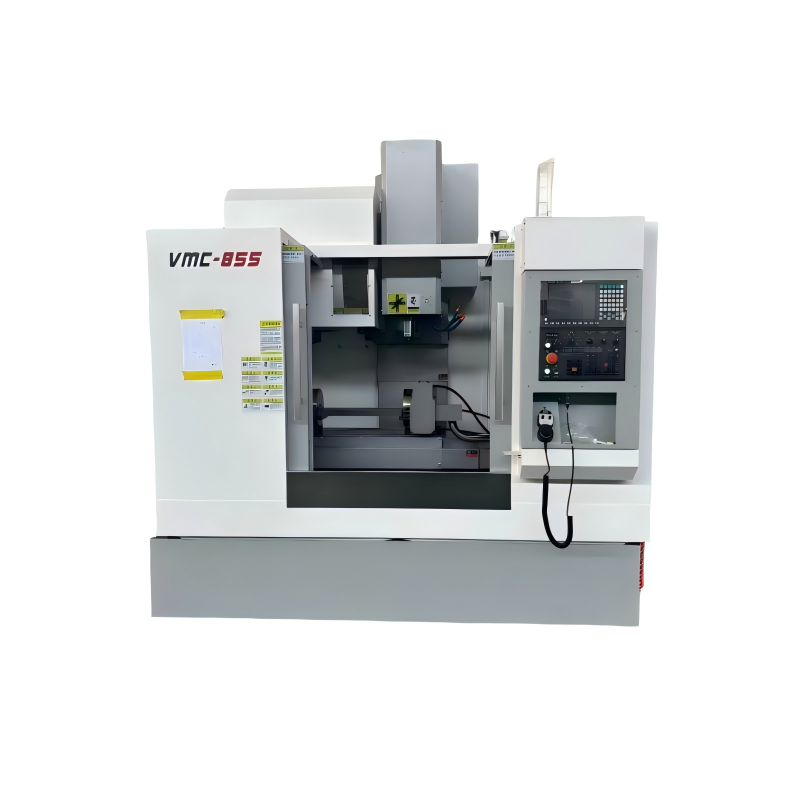
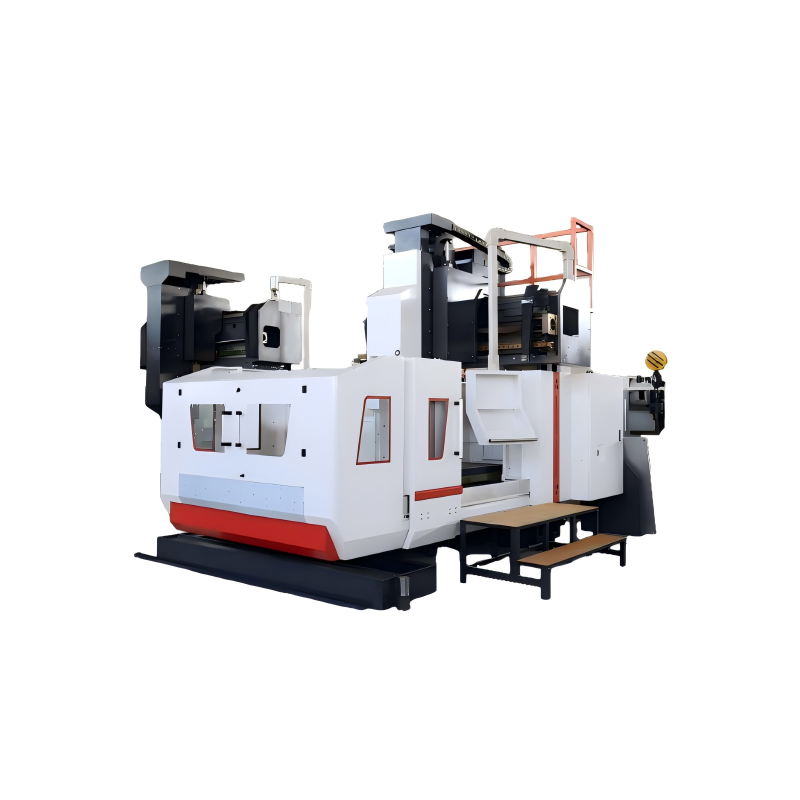
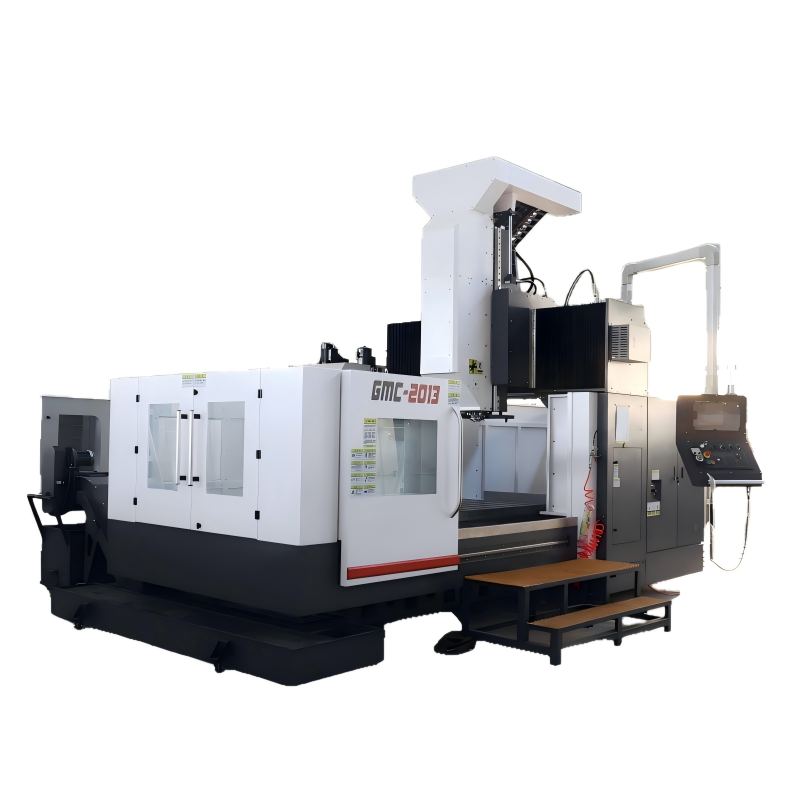
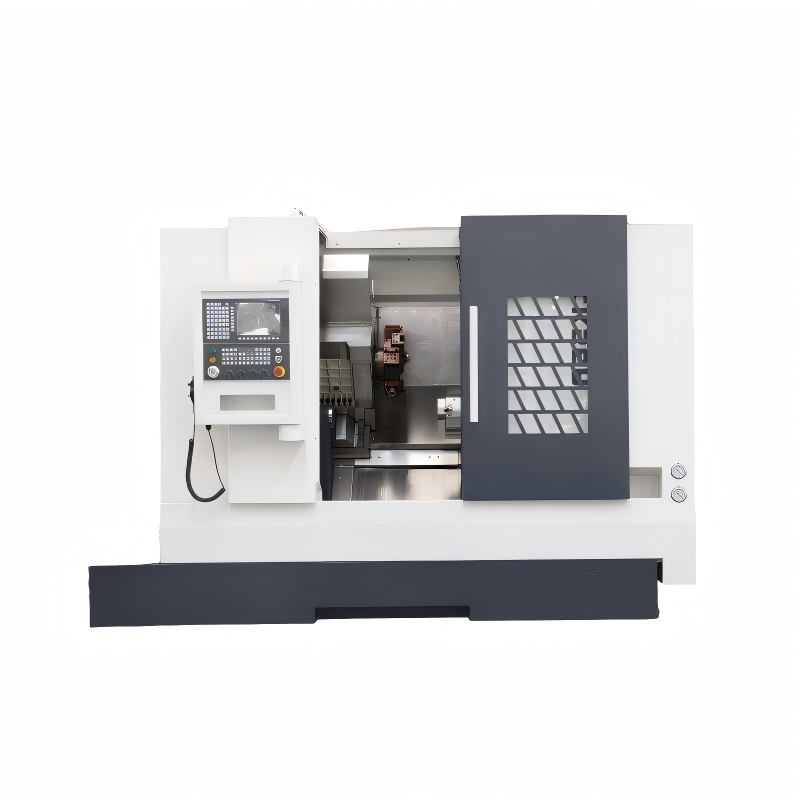
In the realm of precision manufacturing, the 3-axis vertical CNC Machining Center stands out as a critical tool for achieving high levels of accuracy and efficiency. This report delves into the capabilities and advantages of using a 3-axis vertical CNC machining center, exploring how it can be optimized to maximize precision in various industrial applications.
A 3-axis vertical CNC (Computer Numerical Control) machining center is designed to move along three linear axes: X, Y, and Z. The X-axis moves left to right, the Y-axis moves forward and backward, and the Z-axis moves up and down. This configuration allows for precise control over the cutting tool's position, enabling the machine to perform a wide range of operations with exceptional accuracy. The vertical orientation of the spindle means that the cutting tool is positioned perpendicular to the worktable, which is ideal for milling, drilling, and tapping operations.
The integration of advanced software and hardware components in a 3-axis vertical CNC machining center enhances its performance. High-resolution encoders and servo motors ensure smooth and accurate movement, while the CNC controller manages the entire process, interpreting the G-code instructions to guide the machine through complex operations. This combination of mechanical precision and digital control makes the 3-axis vertical CNC machining center an indispensable tool in modern manufacturing.
The 3-axis vertical CNC machining center offers several key advantages that make it a preferred choice for many manufacturing processes. One of the most significant benefits is its ability to produce highly accurate and consistent parts. The precision of the machine's movements, combined with the use of high-quality cutting tools, ensures that each part is manufactured to exact specifications. This level of consistency is crucial in industries where tight tolerances are required, such as aerospace, automotive, and medical device manufacturing.
Another advantage is the versatility of the 3-axis vertical CNC machining center. It can handle a wide variety of materials, including metals, plastics, and composites, making it suitable for a broad range of applications. Additionally, the machine's ability to perform multiple operations in a single setup reduces the need for additional setups, saving time and improving overall efficiency. This capability is particularly valuable in high-volume production environments where minimizing downtime is essential.
Furthermore, the 3-axis vertical CNC machining center is user-friendly and can be easily programmed and operated. Modern CNC controllers often feature intuitive interfaces and advanced programming tools, allowing operators to quickly set up and run jobs. This ease of use, combined with the machine's reliability, makes it an attractive option for both small and large-scale manufacturing operations.
To fully leverage the precision capabilities of a 3-axis vertical CNC machining center, several best practices should be followed. First, it is essential to maintain the machine in optimal condition. Regular maintenance, including lubrication, calibration, and replacement of worn parts, ensures that the machine operates at its highest level of accuracy. Additionally, using high-quality cutting tools and keeping them sharp is crucial for achieving clean and precise cuts.
Second, proper workholding is vital for maintaining the accuracy of the machining process. The workpiece must be securely clamped to the worktable to prevent any movement during the operation. This can be achieved using vices, clamps, or custom fixtures, depending on the specific requirements of the job. Proper workholding not only improves precision but also extends the life of the cutting tools by reducing wear and tear.
Third, optimizing the cutting parameters, such as feed rate, spindle speed, and depth of cut, is essential for achieving the desired surface finish and dimensional accuracy. These parameters should be carefully selected based on the material being machined and the specific requirements of the part. Advanced CAM (Computer-Aided Manufacturing) software can help in generating efficient toolpaths and optimizing these parameters, ensuring that the machine operates at its best.
Finally, implementing a robust quality control system is crucial for ensuring that the parts produced by the 3-axis vertical CNC machining center meet the required standards. This includes regular inspections of the finished parts, as well as the use of in-process measurement tools to monitor the machining process. By continuously monitoring and adjusting the process, manufacturers can achieve the highest levels of precision and quality.
The 3-axis vertical CNC machining center is a powerful and versatile tool that plays a vital role in modern precision manufacturing. Its ability to deliver high-accuracy and consistent results, combined with its versatility and ease of use, makes it an invaluable asset in a wide range of industries. By following best practices for maintenance, workholding, and parameter optimization, manufacturers can fully harness the precision capabilities of this machine, ensuring the production of high-quality parts that meet the most stringent requirements.
 30/06/2026
When it comes to selecting the right 3-axis vertical CNC machining center, the decision can be overwhelming due to the variety of options available. This type of machine is a fundamental tool in many manufacturing environments, providing precision and ver
Read More29/06/2026In the realm of manufacturing, precision and efficiency are paramount. One tool that has significantly contributed to these aspects is the 3-axis vertical CNC machining center. This technology not only enhances the accuracy of machined parts but also opti
Read More28/06/2026In the realm of modern manufacturing, the 3-axis vertical CNC machining center stands out as a pivotal technology, revolutionizing how components are produced with precision and efficiency. This report delves into the multifaceted role of 3-axis vertical
Read More27/06/2026Understanding the Core Components of a 3-Axis Vertical CNC Machining Center A 3-axis vertical CNC machining center is an essential tool in modern manufacturing, designed to provide precision and efficiency. This section will delve into the key components
Read More26/06/2026A 3-axis vertical CNC machining center is an essential tool in modern manufacturing, offering precision, versatility, and efficiency. This report delves into the advantages of using a 3-axis vertical CNC machine, focusing on how it can maximize productivi
Read More25/06/2026In the realm of precision manufacturing, a 3-axis vertical CNC machining center stands out as a versatile and efficient tool. This report delves into the advantages of using a 3-axis vertical CNC machining center, exploring its capabilities, benefits, and
Read MoreOur professional sales team is always ready to assist you.