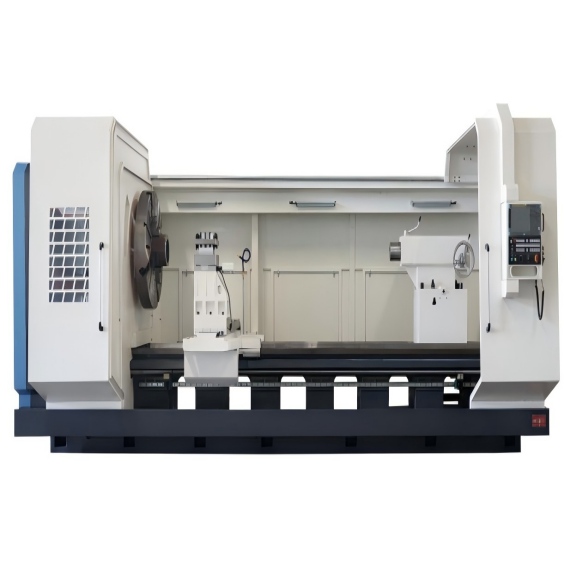
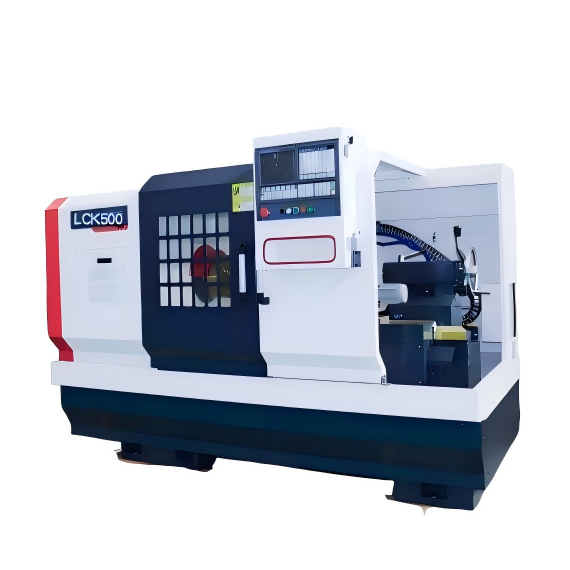
The evolution of machining technology has seen significant advancements, particularly in the realm of lathe operations. One notable development is the Slant Bed Lathe, which offers a unique design that enhances productivity and precision. This report delves into how maximizing X-axis and Z-axis Movement can significantly boost the efficiency of lathes, with a focus on the slant bed lathe.
The slant bed lathe is distinguished by its inclined bed, which provides several advantages over traditional horizontal or vertical lathes. The slanted design allows for better chip evacuation, reducing the risk of chip buildup and ensuring a cleaner work environment. Additionally, the slant bed lathe's structure provides enhanced rigidity, which is crucial for maintaining accuracy during high-speed operations. This design also facilitates easier access to the cutting area, making tool changes and maintenance more efficient.
The X-axis, which controls the lateral movement of the cutting tool, plays a critical role in achieving precise machining. In a slant bed lathe, the X-axis movement is often more stable due to the rigid bed design. To maximize productivity, it is essential to ensure that the X-axis is properly calibrated and maintained. Regular checks and adjustments can help maintain the accuracy of the X-axis, leading to consistent and high-quality results. Additionally, using high-precision linear guides and ball screws can further enhance the stability and accuracy of the X-axis movement.
The Z-axis, responsible for the longitudinal movement of the cutting tool, is equally important in lathe operations. In a slant bed lathe, the Z-axis movement benefits from the inclined bed design, which helps in distributing the cutting forces more evenly. This even distribution reduces the wear on the machine and extends its lifespan. To optimize Z-axis movement, it is crucial to use high-quality drive systems, such as servo motors, which provide precise control and high speed. Implementing advanced control algorithms can also improve the smoothness and accuracy of the Z-axis movement, resulting in faster and more efficient machining processes.
Modern slant bed lathes are equipped with advanced control systems that integrate seamlessly with the X-axis and Z-axis movements. These control systems, often based on CNC (Computer Numerical Control) technology, allow for precise and automated control of the machining process. By programming the desired tool paths and parameters, operators can achieve consistent and repeatable results. Advanced features such as real-time monitoring, adaptive control, and predictive maintenance can further enhance the productivity and reliability of the lathe. These systems can detect and correct errors in real time, ensuring that the machine operates at peak performance.
In conclusion, the slant bed lathe, with its unique design and advanced features, offers significant advantages in terms of productivity and precision. By optimizing the X-axis and Z-axis movements, manufacturers can achieve higher efficiency and better quality in their machining operations. The integration of advanced control systems further enhances the capabilities of these lathes, making them indispensable tools in modern manufacturing. As technology continues to evolve, the slant bed lathe will likely see further improvements, ensuring its place as a key player in the machining industry.
 25/06/2026
The Evolution of Turning Lathe Machines in Modern ManufacturingModern manufacturing has seen a significant transformation with the advent of advanced machining technologies. One such innovation is the Slant Bed Lathe, which has revolutionized the way prec
Read More25/06/2026In the realm of precision engineering and manufacturing, the role of a high-quality lathe cannot be overstated. Among the various types available, the Slant Bed Lathe stands out for its unique design that enhances both operational efficiency and product q
Read More25/06/2026China's precision lathe industry has seen significant growth over the past few decades, with a particular standout being the Slant Bed Lathe. This machine, known for its versatility and precision, has played a crucial role in China's rise as a global manu
Read More24/06/2026China, a country known for its rapid industrial development and technological advancements, is home to numerous manufacturing hubs. Among these, Qingdao stands out as a leader in the production of high-precision machining equipment, particularly in the do
Read More24/06/2026When it comes to precision machining, selecting the right Vertical Machining Center (VMC) for your specific needs and applications is crucial. This decision can significantly impact the efficiency, productivity, and quality of your manufacturing processes
Read More23/06/2026The manufacturing industry has seen significant advancements over the years, with precision and accuracy becoming paramount in parts production. Among the tools that have contributed to this progress, the Box Way VMC (Vertical Machining Center) machine st
Read More22/06/2026The landscape of manufacturing is constantly evolving, driven by advancements in technology and the increasing demand for precision and efficiency. Among these developments, the Slant Bed Lathe, particularly the Economic Horizontal CNC Lathe from China, s
Read More28/05/2026The advent of the Slant Bed Lathe has significantly transformed the landscape of metalworking industries, marking a pivotal shift in manufacturing technologies. This technical report delves into the evolution, advantages, and future prospects of the slant
Read More28/05/2026Introduction to Slant Bed Lathes The evolution of manufacturing technology has brought about significant advancements in the field, one of which is the introduction and adoption of slant bed lathes. These machines, designed with a tilted bed, offer a uniq
Read More28/05/2026The evolution of machining technology has seen the introduction and widespread adoption of various types of lathes, each designed to cater to specific needs in precision engineering. Among these, the slant bed lathe stands out as a versatile and efficient
Read MoreOur professional sales team is always ready to assist you.