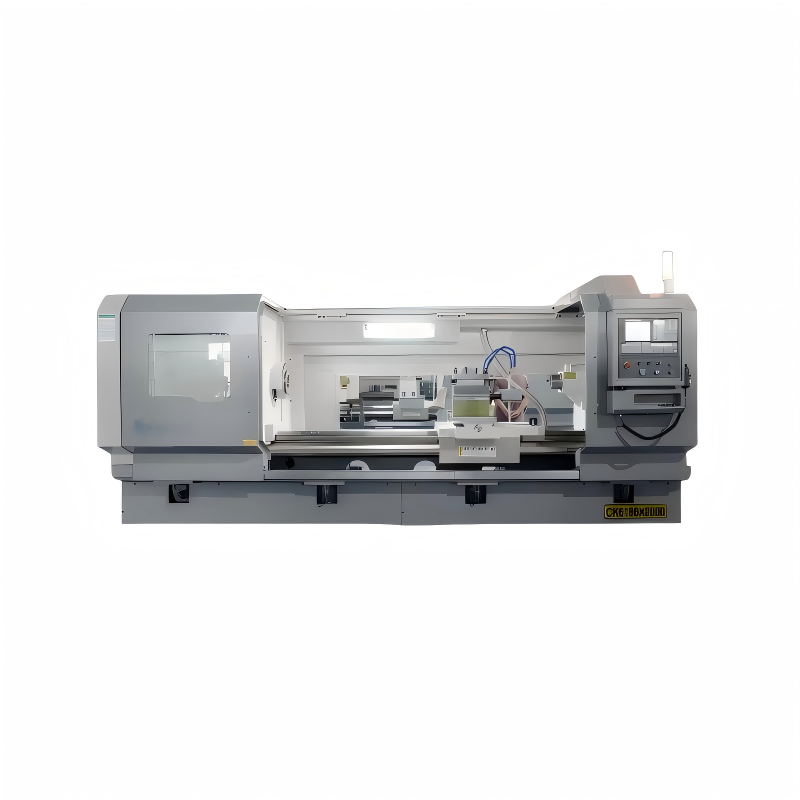
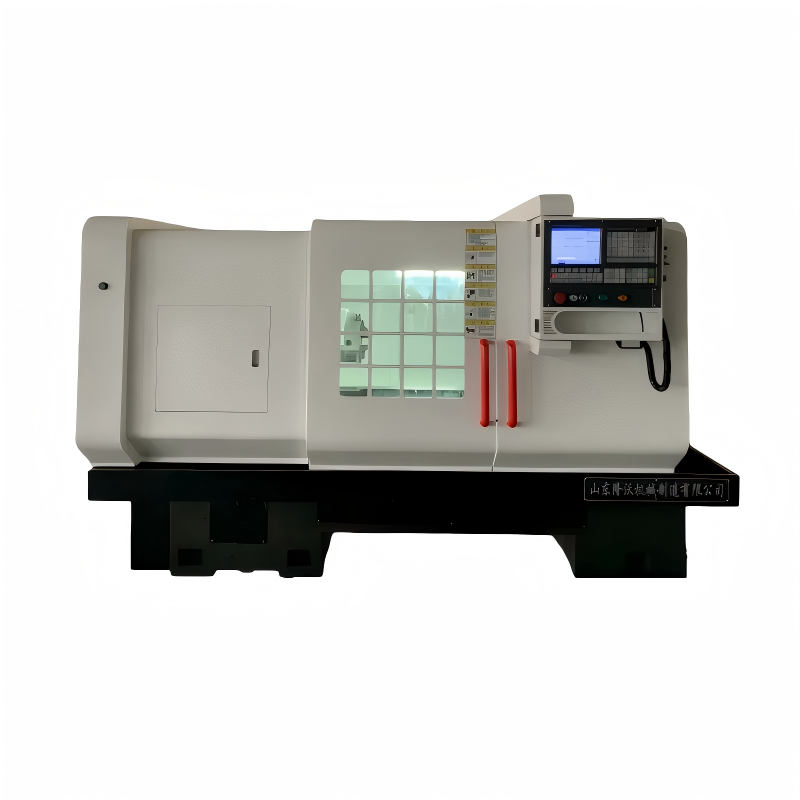
Turning Hard Rail CNC Lathe machines are essential in the modern manufacturing industry, offering unparalleled precision and efficiency. This report aims to explore how users can maximize the performance of their Turning Hard Rail CNC Lathes, focusing on key areas such as setup optimization, tool selection, and maintenance practices.
Optimizing Machine Setup for Enhanced Performance
One of the primary ways to boost the efficiency of a Turning Hard Rail CNC Lathe is through meticulous machine setup. Proper alignment and calibration of the lathe's components are crucial. Misalignment can lead to increased wear and tear, reduced accuracy, and ultimately, lower productivity. It is recommended that operators perform regular checks and adjustments, ensuring that all axes are perfectly aligned and that the bed is level. Additionally, the use of high-precision measuring tools during setup can significantly enhance the overall performance of the machine.
Another aspect of setup optimization involves the configuration of the control system. Modern Turning Hard Rail CNC Lathes come equipped with advanced control systems that offer a wide range of customization options. Operators should familiarize themselves with these features and tailor the settings to match the specific requirements of their production processes. This includes setting appropriate feed rates, spindle speeds, and tool paths, which can be fine-tuned to achieve optimal results.
Selecting the Right Tools for Maximum Efficiency
The choice of cutting tools plays a critical role in the performance of a Turning Hard Rail CNC Lathe. High-quality tools not only ensure better surface finishes but also contribute to longer tool life and reduced downtime. When selecting tools, it is important to consider factors such as the material being machined, the desired finish, and the specific geometry of the part. For instance, when working with hard materials, carbide-tipped tools are often preferred due to their durability and ability to maintain sharp edges over extended periods.
Tool holders and collets also play a significant role in the machining process. Ensuring that these components are properly maintained and correctly matched to the tools being used can greatly improve the stability and accuracy of the operation. Regular inspection and replacement of worn-out tool holders and collets are essential to prevent any potential issues that could affect the quality of the finished product.
Maintenance Practices to Ensure Longevity and Reliability
A well-maintained Turning Hard Rail CNC Lathe is a reliable and efficient one. Regular maintenance is key to extending the lifespan of the machine and ensuring consistent performance. One of the most important maintenance tasks is the lubrication of moving parts. Proper lubrication reduces friction and wear, which can significantly extend the life of the lathe. Operators should follow the manufacturer’s guidelines for lubrication intervals and types of lubricants to use.
Another critical aspect of maintenance is the cleaning and inspection of the machine. Regularly removing chips and debris from the work area and checking for any signs of wear or damage can help identify potential issues before they become major problems. Additionally, it is advisable to perform periodic inspections of the electrical and mechanical systems to ensure that all components are functioning correctly. This includes checking for loose connections, worn belts, and any other signs of wear that could affect the machine's performance.
Finally, keeping detailed records of maintenance activities and machine performance can provide valuable insights into the overall health of the Turning Hard Rail CNC Lathe. These records can help in identifying trends and patterns, allowing for proactive maintenance and reducing the likelihood of unexpected breakdowns.
In conclusion, maximizing the efficiency of a Turning Hard Rail CNC Lathe requires a comprehensive approach that includes optimizing machine setup, selecting the right tools, and implementing robust maintenance practices. By following these guidelines, operators can ensure that their lathes operate at peak performance, leading to higher productivity and better quality products.
 05/06/2026



