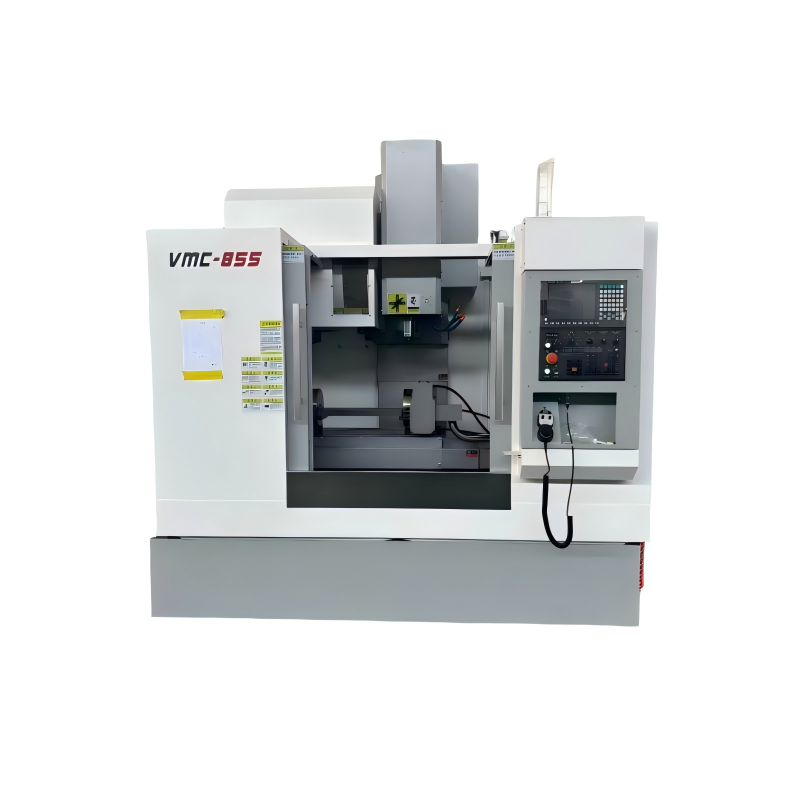
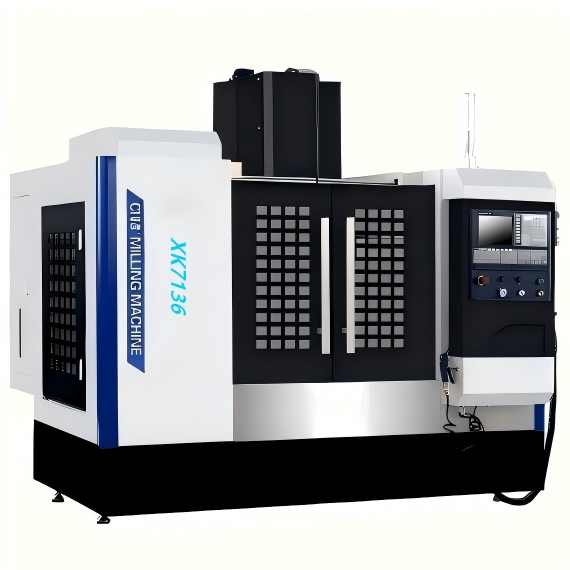
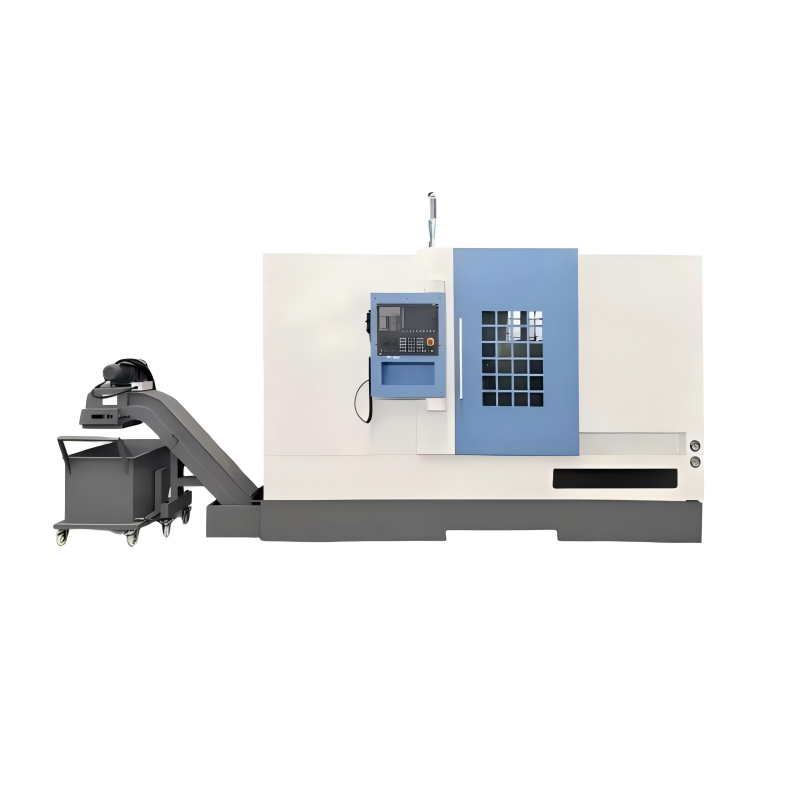
In the realm of manufacturing, VMC (Vertical Machining Center) manufacturers face a myriad of challenges in a highly competitive market. These challenges range from technological advancements to economic pressures, all of which require strategic navigation for sustained success. This report aims to explore the key obstacles faced by VMC Manufacturers and propose solutions that can help them thrive in an ever-evolving industry.
One of the most significant challenges for VMC manufacturers is keeping up with rapid technological advancements. On one hand, new technologies such as CNC (Computer Numerical Control) systems, IoT (Internet of Things) integration, and AI-driven analytics offer immense potential for improving efficiency, precision, and productivity. For instance, CNC systems enable VMCs to perform complex operations with high accuracy, while IoT integration allows for real-time monitoring and predictive maintenance, reducing downtime and operational costs.
However, these technological innovations also pose significant barriers. The initial investment required for upgrading existing machinery or acquiring new technology can be substantial, often straining the financial resources of smaller manufacturers. Additionally, there is a need for continuous training and skill development to ensure that the workforce can effectively utilize these advanced tools. Failure to keep pace with technological trends can result in obsolescence, as customers increasingly demand state-of-the-art solutions.
To navigate this challenge, VMC manufacturers should consider partnerships with technology providers and research institutions. Collaborations can provide access to cutting-edge technology at a lower cost and facilitate knowledge sharing. Furthermore, implementing a phased approach to technological adoption can help manage the financial burden, allowing manufacturers to gradually integrate new systems without overwhelming their resources.
The global economy is inherently volatile, and VMC manufacturers are not immune to its fluctuations. Economic downturns, currency exchange rate variations, and changes in trade policies can significantly impact the cost of raw materials, labor, and distribution. For example, a sudden increase in the price of steel or aluminum can drastically affect production costs, while tariffs and trade restrictions can disrupt supply chains and reduce market access.
To mitigate these risks, VMC manufacturers must adopt robust financial planning and risk management strategies. Diversifying suppliers and markets can help insulate against regional economic shocks. Additionally, maintaining a strong cash reserve and flexible financing options can provide a buffer during periods of financial instability. Regularly reviewing and adjusting pricing strategies based on market conditions is also crucial to remain competitive and profitable.
Moreover, embracing lean manufacturing principles can help VMC manufacturers optimize their operations and reduce waste. By streamlining processes, minimizing inventory, and improving overall efficiency, manufacturers can better withstand economic pressures and maintain profitability even in challenging times.
Customer expectations in the VMC market are continuously evolving, driven by the need for customized and high-quality products. Modern customers demand not only precision and reliability but also flexibility and adaptability in VMCs. This shift towards customization requires manufacturers to be more agile and responsive, tailoring their offerings to meet specific customer needs.
Customization, however, presents several challenges. It increases the complexity of the manufacturing process, requiring more specialized skills and equipment. Additionally, it can lead to higher production costs and longer lead times, which may not always align with the customers' demands for quick delivery and competitive pricing.
To address these challenges, VMC manufacturers should invest in modular design and flexible manufacturing systems. Modular designs allow for easier customization without the need for complete re-engineering, while flexible manufacturing systems can adapt to different production requirements. Implementing advanced software solutions, such as CAD (Computer-Aided Design) and CAM (Computer-Aided Manufacturing), can also streamline the customization process, enabling faster and more accurate product development.
Furthermore, building strong relationships with customers through regular communication and feedback loops is essential. Understanding customer needs and preferences early in the design and production process can help manufacturers deliver tailored solutions that meet or exceed expectations. This customer-centric approach not only enhances satisfaction but also fosters long-term loyalty and repeat business.
VMC manufacturers operate in a dynamic and competitive environment, facing numerous challenges that require strategic and innovative solutions. By embracing technological innovation, managing economic pressures, and meeting customer expectations, VMC manufacturers can navigate these challenges and achieve sustainable growth. Collaboration, financial planning, and a customer-centric approach are key to overcoming these obstacles and ensuring long-term success in the VMC market.
 26/06/2026
At the recent International Expo, a leading VMC (Vertical Machining Center) Manufacturer took center stage to unveil an array of innovative technologies aimed at revolutionizing the manufacturing industry. This report delves into the key highlights and ad
Read More26/06/2026As a leading VMC Manufacturer, navigating the complexities of the global supply chain has become an increasingly critical aspect of our operations. The disruptions experienced over recent years have not only tested the resilience of manufacturers but also
Read More26/06/2026The manufacturing sector, particularly the VMC (Vertical Machining Center) manufacturing industry, is on the cusp of significant transformations driven by technological advancements and changing market dynamics. This report delves into the key trends that
Read More25/06/2026As the manufacturing sector continues to evolve, VMC (Vertical Machining Center) manufacturers are at the forefront of innovation, driving new trends and technologies that shape the future of machining. In this report, we will explore the latest advanceme
Read More25/06/2026VMC Manufacturer has established itself as a leader in the manufacturing of vertical machining centers, providing innovative solutions to companies across the globe. Through this report, we delve into several case studies that highlight VMC Manufacturer's
Read More25/06/2026When it comes to selecting the right VMC (Vertical Machining Center) manufacturer for your specific needs, a comprehensive and well-informed approach is crucial. This guide aims to provide you with an in-depth analysis of the key factors to consider, ensu
Read More25/06/2026As the manufacturing landscape continues to evolve, VMC (Vertical Machining Center) manufacturers are increasingly looking for innovative strategies to enhance productivity and efficiency. These advancements not only aim at improving the quality of the pr
Read More24/06/2026In the rapidly evolving landscape of manufacturing, companies are constantly seeking innovative solutions to stay ahead of the curve. One such company that has been making waves in this domain is VMC Manufacturer. By integrating cutting-edge technologies
Read More24/06/2026In the rapidly evolving landscape of manufacturing, VMC (Vertical Machining Center) technology stands at the forefront, driving innovation and efficiency. This report delves into the future of VMC manufacturing, exploring key trends, technological advance
Read More24/06/2026The manufacturing sector has been undergoing a significant transformation, driven by rapid technological advancements. This report focuses specifically on the impact of these advancements on VMC (Vertical Machining Center) Manufacturer operations. Through
Read More24/06/2026In an era where sustainability is no longer a choice but a necessity, VMC Manufacturer, among other industry players, is actively embracing sustainable manufacturing practices. This shift towards greener operations not only aligns with global environmenta
Read More23/06/2026In the rapidly evolving landscape of manufacturing, VMC Manufacturer has emerged as a leader in innovation, pushing boundaries and setting new standards for efficiency, sustainability, and technological integration. This report delves into the key advance
Read More23/06/2026When it comes to selecting a VMC (Vertical Machining Center) manufacturer, the decision can significantly impact the efficiency and quality of your machining operations. A VMC is a versatile machine used in various industries for precision machining tasks
Read More23/06/2026The Evolution of VMC Technology and Its Impact on ManufacturingIn the dynamic landscape of modern manufacturing, the role of a VMC (Vertical Machining Center) Manufacturer has become increasingly significant. This section delves into how advancements in V
Read More23/06/2026In the rapidly evolving landscape of manufacturing, VMC Manufacturer has once again demonstrated its commitment to innovation and excellence. The year 2023 marks a significant milestone for the company, as it introduces several groundbreaking advancements
Read MoreOur professional sales team is always ready to assist you.