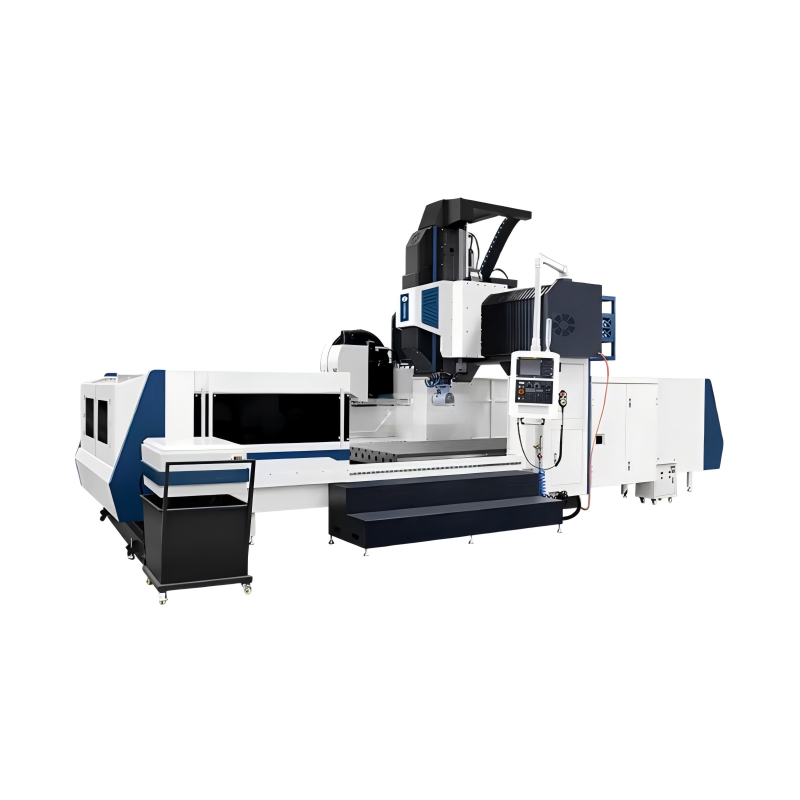
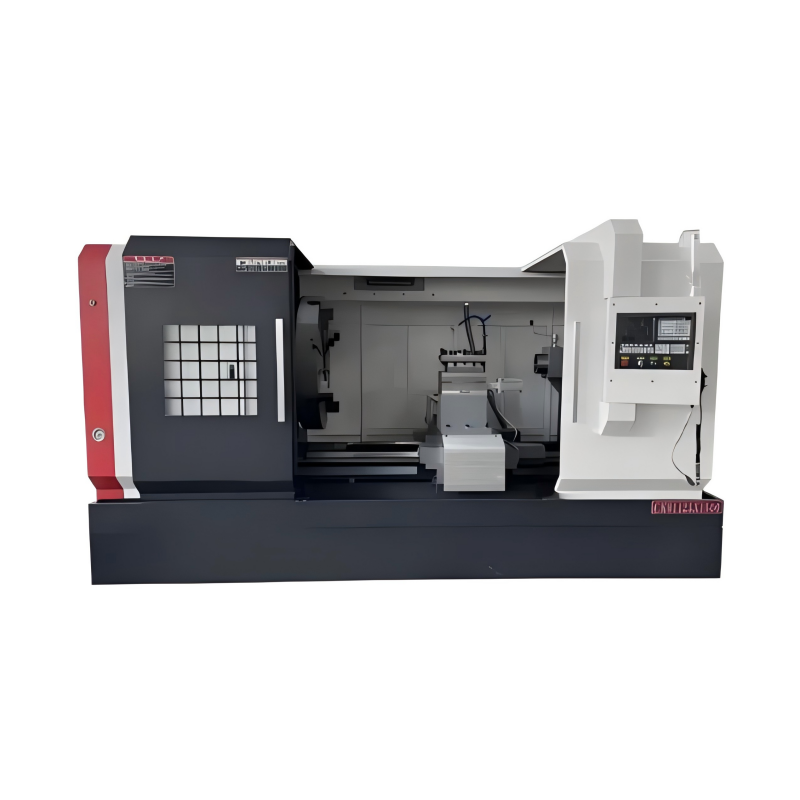
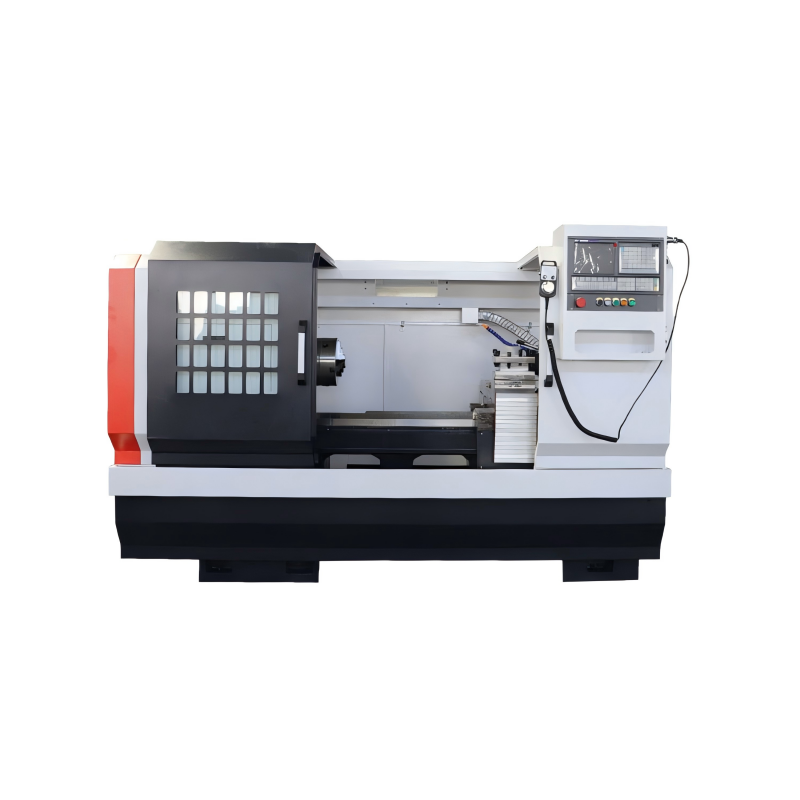
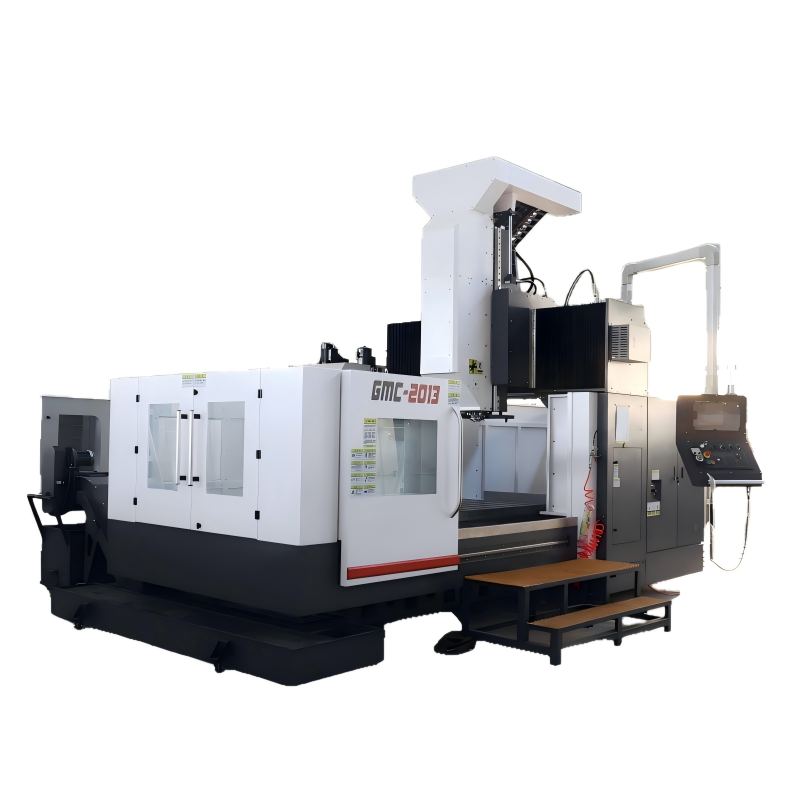
The manufacturing sector, particularly the VMC (Vertical Machining Center) manufacturing industry, is on the cusp of significant transformations driven by technological advancements and changing market dynamics. This report delves into the key trends that are expected to shape the VMC manufacturing sector over the next decade, providing insights for manufacturers, policymakers, and stakeholders.
The integration of digital technologies into VMC manufacturing processes is a pivotal trend. Industry 4.0, characterized by the use of cyber-physical systems, Internet of Things (IoT), and big data, is revolutionizing the way VMCs are designed, manufactured, and maintained. VMC Manufacturer can leverage these technologies to enhance productivity, reduce downtime, and improve overall efficiency. For instance, predictive maintenance, enabled by IoT sensors, allows for real-time monitoring of machine health, reducing the likelihood of unexpected breakdowns and extending the lifespan of the equipment. Additionally, the use of augmented reality (AR) and virtual reality (VR) in training and maintenance can significantly reduce human error and improve the skill set of the workforce.
Environmental sustainability is becoming a critical factor in the VMC manufacturing sector. Consumers and regulatory bodies are increasingly demanding more eco-friendly products and processes. VMC Manufacturer must adopt sustainable practices to meet these expectations. This includes the use of energy-efficient machines, recycling of materials, and the implementation of waste reduction strategies. Moreover, the development of new materials and coatings that reduce friction and wear can contribute to longer machine life and lower environmental impact. Sustainable manufacturing not only helps in complying with regulations but also enhances the brand's reputation and customer loyalty.
The demand for customized and flexible manufacturing solutions is on the rise. Customers today require VMCs that can adapt to their specific needs, whether it be in terms of size, speed, or precision. VMC Manufacturer need to invest in modular and reconfigurable designs that allow for easy customization. This flexibility can be achieved through the use of advanced software and automation technologies that enable rapid reprogramming and adjustment of the machining process. Furthermore, the adoption of additive manufacturing (3D printing) can provide new opportunities for creating complex and highly customized parts, reducing the need for traditional tooling and setup times.
The advancement of technology in the VMC manufacturing sector necessitates a skilled and adaptable workforce. As the industry becomes more automated and digitized, the role of human operators is evolving. VMC Manufacturer must prioritize workforce development and skills training to ensure that their employees are equipped to handle the new technologies and processes. This includes training in areas such as robotics, programming, and data analysis. Additionally, fostering a culture of continuous learning and innovation can help in retaining talent and maintaining a competitive edge. Collaboration with educational institutions and industry partners can also play a crucial role in developing the next generation of skilled workers.
The recent global disruptions, such as the COVID-19 pandemic, have highlighted the importance of supply chain resilience in the VMC manufacturing sector. VMC Manufacturer need to develop robust and flexible supply chains that can withstand future disruptions. This involves diversifying suppliers, implementing risk management strategies, and investing in local and regional production capabilities. The use of digital tools and platforms can enhance visibility and control over the supply chain, enabling better decision-making and response to unforeseen events. Additionally, the integration of blockchain technology can provide transparency and traceability, ensuring the integrity and security of the supply chain.
In conclusion, the VMC manufacturing sector is poised for significant changes in the coming decade. By embracing digital transformation, prioritizing sustainability, offering customizable and flexible solutions, investing in workforce development, and building resilient supply chains, VMC Manufacturer can position themselves for success in an increasingly competitive and dynamic market. These trends not only drive innovation and efficiency but also contribute to the long-term sustainability and growth of the industry.
 26/06/2026
At the recent International Expo, a leading VMC (Vertical Machining Center) Manufacturer took center stage to unveil an array of innovative technologies aimed at revolutionizing the manufacturing industry. This report delves into the key highlights and ad
Read More26/06/2026As a leading VMC Manufacturer, navigating the complexities of the global supply chain has become an increasingly critical aspect of our operations. The disruptions experienced over recent years have not only tested the resilience of manufacturers but also
Read More26/06/2026In the realm of manufacturing, VMC (Vertical Machining Center) manufacturers face a myriad of challenges in a highly competitive market. These challenges range from technological advancements to economic pressures, all of which require strategic navigatio
Read More25/06/2026As the manufacturing sector continues to evolve, VMC (Vertical Machining Center) manufacturers are at the forefront of innovation, driving new trends and technologies that shape the future of machining. In this report, we will explore the latest advanceme
Read More25/06/2026VMC Manufacturer has established itself as a leader in the manufacturing of vertical machining centers, providing innovative solutions to companies across the globe. Through this report, we delve into several case studies that highlight VMC Manufacturer's
Read More25/06/2026When it comes to selecting the right VMC (Vertical Machining Center) manufacturer for your specific needs, a comprehensive and well-informed approach is crucial. This guide aims to provide you with an in-depth analysis of the key factors to consider, ensu
Read More25/06/2026As the manufacturing landscape continues to evolve, VMC (Vertical Machining Center) manufacturers are increasingly looking for innovative strategies to enhance productivity and efficiency. These advancements not only aim at improving the quality of the pr
Read More24/06/2026In the rapidly evolving landscape of manufacturing, companies are constantly seeking innovative solutions to stay ahead of the curve. One such company that has been making waves in this domain is VMC Manufacturer. By integrating cutting-edge technologies
Read More24/06/2026In the rapidly evolving landscape of manufacturing, VMC (Vertical Machining Center) technology stands at the forefront, driving innovation and efficiency. This report delves into the future of VMC manufacturing, exploring key trends, technological advance
Read More24/06/2026The manufacturing sector has been undergoing a significant transformation, driven by rapid technological advancements. This report focuses specifically on the impact of these advancements on VMC (Vertical Machining Center) Manufacturer operations. Through
Read More24/06/2026In an era where sustainability is no longer a choice but a necessity, VMC Manufacturer, among other industry players, is actively embracing sustainable manufacturing practices. This shift towards greener operations not only aligns with global environmenta
Read More23/06/2026In the rapidly evolving landscape of manufacturing, VMC Manufacturer has emerged as a leader in innovation, pushing boundaries and setting new standards for efficiency, sustainability, and technological integration. This report delves into the key advance
Read More23/06/2026When it comes to selecting a VMC (Vertical Machining Center) manufacturer, the decision can significantly impact the efficiency and quality of your machining operations. A VMC is a versatile machine used in various industries for precision machining tasks
Read More23/06/2026The Evolution of VMC Technology and Its Impact on ManufacturingIn the dynamic landscape of modern manufacturing, the role of a VMC (Vertical Machining Center) Manufacturer has become increasingly significant. This section delves into how advancements in V
Read More23/06/2026In the rapidly evolving landscape of manufacturing, VMC Manufacturer has once again demonstrated its commitment to innovation and excellence. The year 2023 marks a significant milestone for the company, as it introduces several groundbreaking advancements
Read MoreOur professional sales team is always ready to assist you.