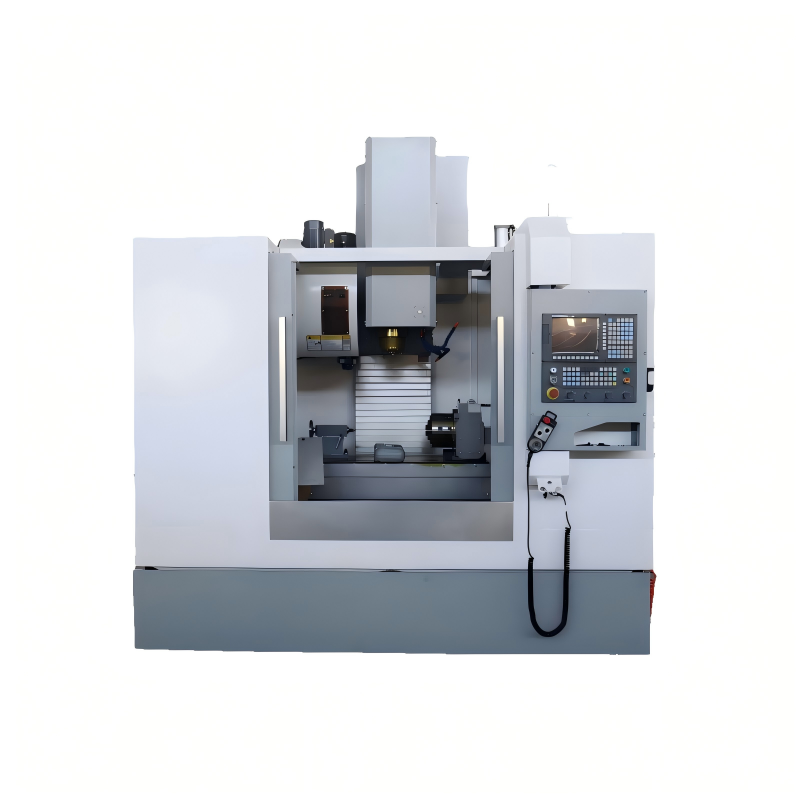
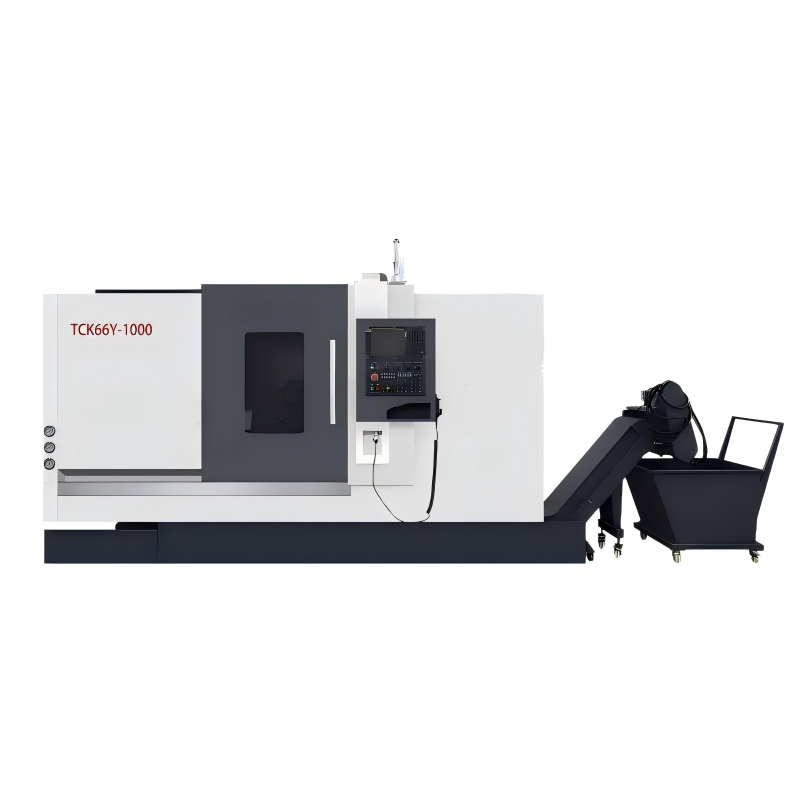
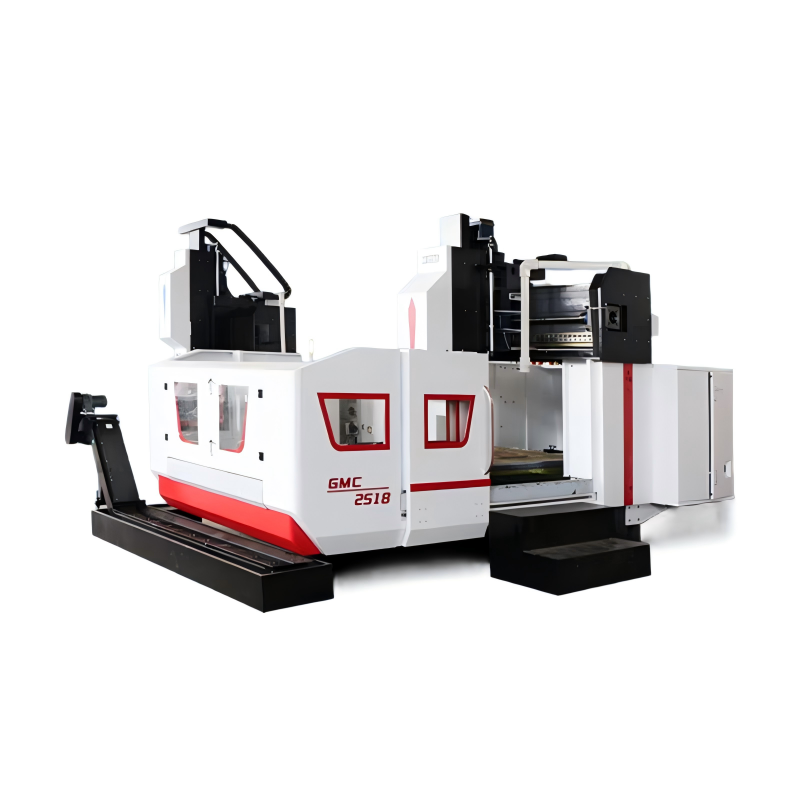
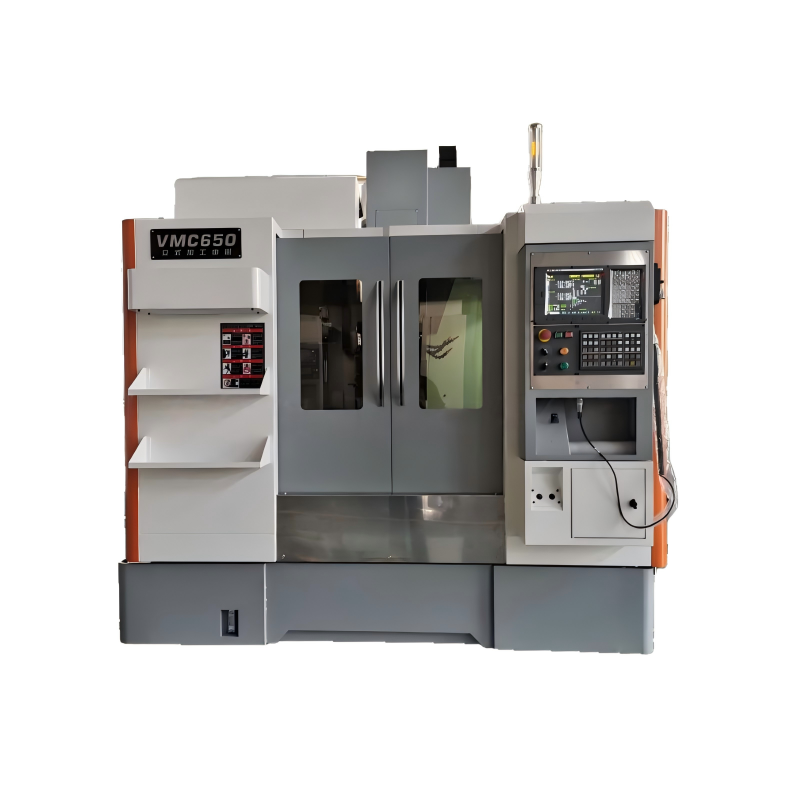
The vertical Machining Center (VMC) has long been a cornerstone of the manufacturing industry, offering unparalleled precision and efficiency in metalworking. As technology advances, so too does the design and functionality of these machines. This report explores some of the latest innovations in VMCs, highlighting how advancements in technology are transforming the capabilities and performance of modern Vertical Machining Centers.
One of the most significant trends in the evolution of vertical machining centers is the integration of advanced automation and robotics. Modern VMCs are increasingly equipped with robotic arms and automated tool changers that can perform complex operations with minimal human intervention. This not only increases productivity but also enhances the accuracy and consistency of the machined parts. For instance, a leading Vertical Machining Center Supplier has introduced a new model that features an integrated robotic arm capable of handling multiple tasks, from loading and unloading workpieces to performing intricate milling operations. The use of such advanced automation systems reduces the need for manual labor, thereby lowering operational costs and improving overall efficiency.
The software and control systems used in VMCs have also seen significant improvements. Modern VMCs are now equipped with sophisticated CNC (Computer Numerical Control) systems that offer more precise control over the machining process. These systems can handle complex 3D models and generate highly accurate toolpaths, ensuring that the final product meets the exact specifications. Additionally, many VMCs now come with advanced software features such as real-time monitoring, predictive maintenance, and remote diagnostics. These features enable operators to monitor the machine's performance in real-time, identify potential issues before they become critical, and even perform maintenance remotely, reducing downtime and increasing productivity.
Another key area of innovation in VMCs is the improvement in material handling and flexibility. Traditional VMCs were often limited in their ability to handle different types of materials and workpieces. However, modern VMCs are designed to be more versatile, capable of working with a wide range of materials, including metals, composites, and even some plastics. This versatility is achieved through the use of advanced tooling systems and modular designs that allow for quick and easy reconfiguration of the machine. For example, some VMCs now feature interchangeable spindles and tool holders, allowing operators to switch between different machining operations without the need for extensive setup time. This flexibility not only expands the range of applications for VMCs but also makes them more cost-effective for manufacturers who deal with a variety of materials and part geometries.
With growing concerns about environmental sustainability, there is a strong push towards making VMCs more energy-efficient and eco-friendly. Many vertical machining center suppliers are now focusing on developing machines that consume less power and produce fewer emissions. This is achieved through the use of energy-efficient motors, regenerative braking systems, and optimized cooling systems. Some VMCs also incorporate smart energy management systems that can adjust the machine's power consumption based on the workload, further reducing energy usage. Additionally, there is a trend towards using more sustainable materials in the construction of VMCs, such as recycled metals and biodegradable lubricants. These efforts not only help to reduce the environmental impact of VMCs but also lower operating costs for manufacturers, making them more attractive in the long run.
The advent of Industry 4.0 has brought about a new era of connectivity and data-driven decision-making in the manufacturing sector. VMCs are no exception, with many modern machines now incorporating Industry 4.0 technologies such as IoT (Internet of Things), AI (Artificial Intelligence), and cloud computing. These technologies enable VMCs to collect and analyze vast amounts of data in real-time, providing valuable insights into the machining process. For example, IoT sensors can monitor the condition of the machine and its components, alerting operators to any signs of wear or malfunction. AI algorithms can then analyze this data to predict when maintenance is required, optimizing the machine's performance and extending its lifespan. Cloud computing allows for the storage and sharing of large datasets, enabling manufacturers to collaborate more effectively and make data-driven decisions. The integration of these technologies is transforming VMCs into intelligent, connected devices that can adapt and optimize their performance in real-time, driving greater efficiency and productivity in the manufacturing process.
In conclusion, the vertical machining center continues to evolve, driven by advancements in automation, software, material handling, energy efficiency, and Industry 4.0 technologies. These innovations are not only enhancing the capabilities and performance of VMCs but also making them more cost-effective and sustainable. As the manufacturing industry continues to embrace these advancements, the role of the VMC in shaping the future of precision engineering and metalworking will only grow stronger.
 26/06/2026
Understanding the Importance of Vertical Machining Centers in Modern ManufacturingA vertical machining center (VMC) is a crucial piece of equipment in modern manufacturing, especially for industries that require high precision and versatility in their pro
Read More26/06/2026In today's competitive manufacturing landscape, the selection of a reliable Vertical Machining Center Supplier is crucial for maintaining productivity and quality. This report aims to guide businesses through the process of identifying and choosing the be
Read More26/06/2026In today’s competitive manufacturing landscape, the adoption of advanced technology plays a crucial role in enhancing productivity and maintaining a competitive edge. A Vertical Machining Center Supplier can be instrumental in providing the machinery that
Read More25/06/2026In the realm of manufacturing, vertical machining centers (VMCs) have emerged as indispensable tools for precision and efficiency. This report delves into how advancements in technology are revolutionizing the performance of VMCs, with a focus on the role
Read More25/06/2026A vertical machining center is a critical piece of equipment in many manufacturing and engineering operations. These machines, provided by a reliable Vertical Machining Center Supplier, are designed to perform a wide range of tasks with precision and effi
Read More25/06/2026A vertical machining center (VMC) is a type of CNC machine that plays an essential role in modern manufacturing. This report explores the versatility and capabilities of high-end vertical machining centers, focusing on their applications, technological ad
Read More25/06/2026When it comes to selecting a high-quality Vertical Machining Center, the decision-making process can be quite complex. This is due to the wide array of features and specifications that these machines offer, which cater to different manufacturing needs. In
Read More24/06/2026Understanding the Importance of Supplier Reliability in Vertical Machining CentersIn the world of manufacturing, the reliability of a supplier is not just a preference but a necessity. When it comes to acquiring a vertical machining center, this principle
Read More24/06/2026The Evolution of Vertical Machining CentersVertical machining centers (VMCs) have come a long way since their inception, evolving from simple drilling machines to highly sophisticated and versatile tools capable of performing a wide range of operations. T
Read More24/06/2026In the modern manufacturing landscape, the vertical machining center has become an indispensable tool for a wide range of industries. These machines offer unparalleled precision, versatility, and efficiency, making them a preferred choice for many manufac
Read More24/06/2026In the modern manufacturing landscape, vertical machining centers (VMCs) have become indispensable for producing complex and high-precision components. The selection of a trusted Vertical Machining Center Supplier is crucial for ensuring not only the qual
Read More23/06/2026Vertical machining centers are pivotal in the manufacturing industry, offering precision and efficiency that can significantly boost productivity. As a vertical machining center supplier, it is essential to understand how to maximize the potential of thes
Read More23/06/2026Understanding the Importance of Reliability in a Vertical Machining Center SupplierThe foundation of any successful manufacturing operation lies in the reliability of its machinery and the partners that supply it. A Vertical Machining Center (VMC) is no e
Read More23/06/2026When it comes to selecting the right vertical machining center for your manufacturing needs, a comprehensive understanding of the machine's capabilities, along with the support and expertise of a reliable vertical machining center supplier, is crucial. Th
Read More23/06/2026When it comes to selecting the right vertical machining center for your specific needs, a thorough understanding of the available options and their capabilities is crucial. This decision can significantly impact the efficiency, productivity, and quality o
Read MoreOur professional sales team is always ready to assist you.