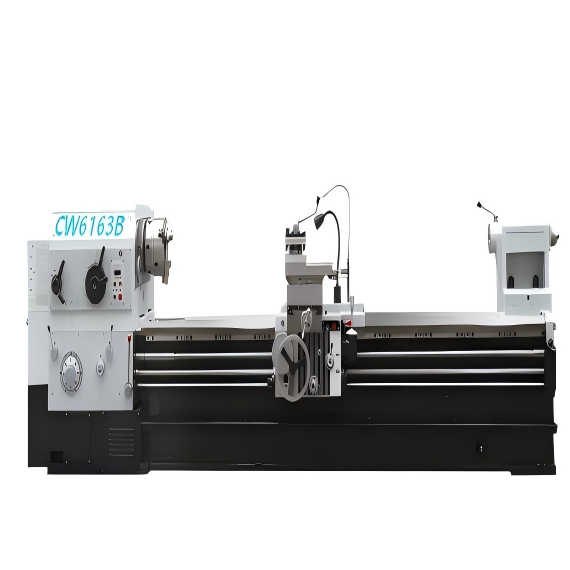
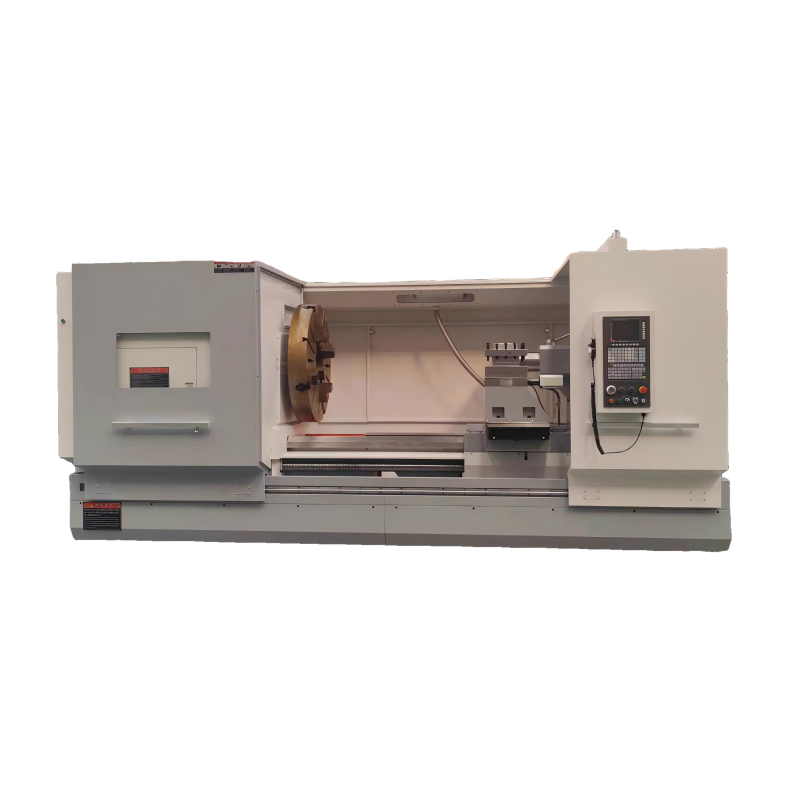
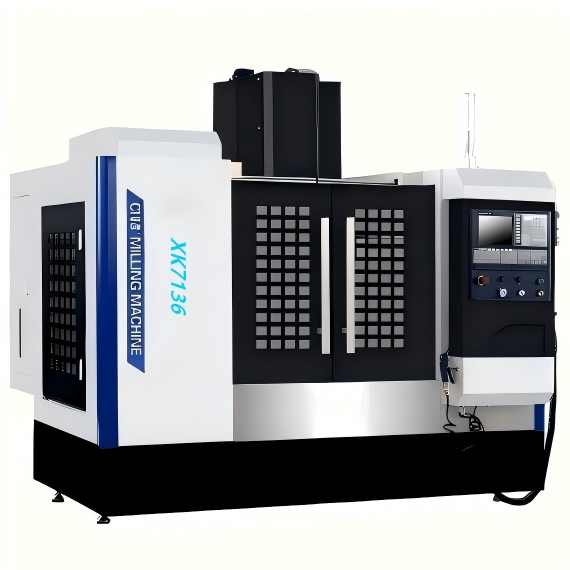
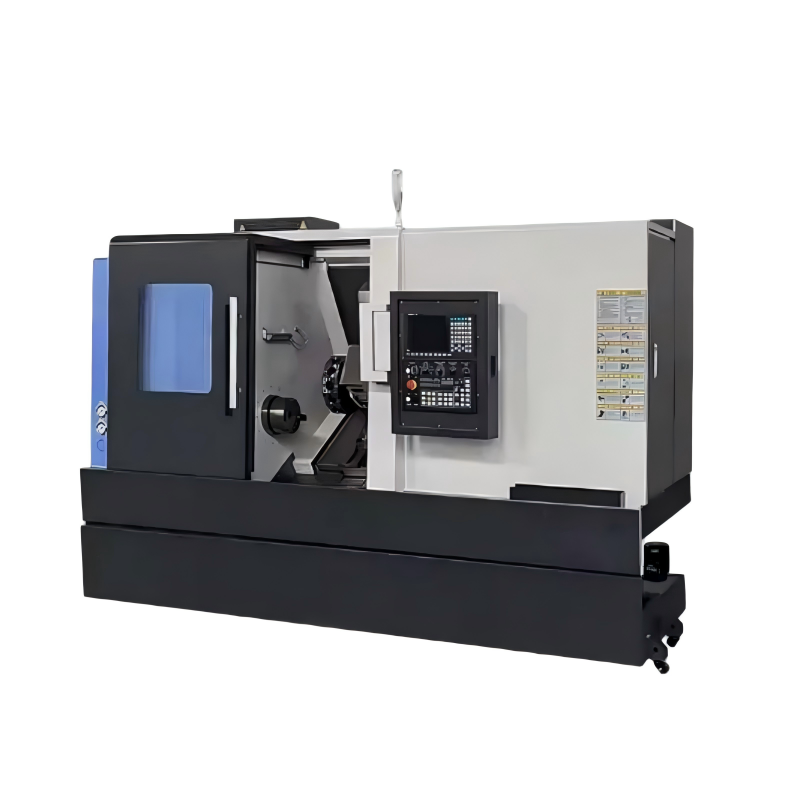
A Vertical Machining Center (VMC) is a crucial piece of equipment in modern manufacturing, especially for industries that require high precision and versatility in their production processes. These machines are designed to handle a wide range of materials and can perform multiple operations such as drilling, milling, and tapping. The ability of VMCs to efficiently process complex parts with high accuracy makes them indispensable in today's competitive market. When evaluating Vertical Machining Center Supplier options, it is essential to consider not only the initial cost but also long-term value, including maintenance, energy efficiency, and adaptability to changing production needs.
The cost-effectiveness of a VMC is determined by several factors, which go beyond just the purchase price. Understanding these elements is critical for making an informed decision. Firstly, operational costs, including electricity consumption and tool wear, significantly impact the overall expense. Secondly, the machine's reliability and downtime play a vital role; frequent breakdowns or lengthy repair times can severely affect productivity and increase costs. Thirdly, the flexibility of the machine to adapt to different tasks without requiring extensive setup changes is another important consideration. Lastly, the after-sales support provided by the Vertical Machining Center Supplier, including training, spare parts availability, and technical assistance, should be evaluated carefully.
When comparing different models from various suppliers, it's essential to look at the total cost of ownership (TCO) over the expected lifespan of the machine. This includes initial investment, operating costs, maintenance expenses, and potential resale value. High-quality VMCs often come with a higher upfront cost but may offer better TCO due to lower maintenance requirements, more efficient operation, and longer service life. Additionally, advancements in technology, such as automation features and software integration, can greatly enhance a machine's capabilities and contribute to its long-term value. It's advisable to consult with a knowledgeable Vertical Machining Center Supplier who can provide detailed information on each model's performance, durability, and how they align with your specific production needs.
Modern VMCs are increasingly incorporating automation and advanced technological features aimed at improving efficiency and reducing human error. Features like automatic tool changers, pallet changers, and integrated robotic arms allow for continuous operation with minimal supervision, thereby increasing throughput. Moreover, sophisticated control systems and software enable real-time monitoring and adjustments, ensuring optimal performance and part quality. While these features do add to the initial cost, they can lead to significant savings in labor and increased productivity over time. Discussing these options with your Vertical Machining Center Supplier will help you understand the full potential of these technologies and how they can benefit your specific application.
Selecting the right vertical machining center involves a thorough evaluation of both short-term and long-term considerations. By focusing on key factors such as operational costs, reliability, flexibility, and after-sales support, businesses can make a well-informed choice that maximizes their return on investment. Engaging with a reputable Vertical Machining Center Supplier who understands your unique requirements and can provide tailored solutions is crucial. With the right VMC, manufacturers can achieve higher productivity, improved part quality, and ultimately, a more competitive position in the market.
 26/06/2026
The vertical machining center (VMC) has long been a cornerstone of the manufacturing industry, offering unparalleled precision and efficiency in metalworking. As technology advances, so too does the design and functionality of these machines. This report
Read More26/06/2026In today's competitive manufacturing landscape, the selection of a reliable Vertical Machining Center Supplier is crucial for maintaining productivity and quality. This report aims to guide businesses through the process of identifying and choosing the be
Read More26/06/2026In today’s competitive manufacturing landscape, the adoption of advanced technology plays a crucial role in enhancing productivity and maintaining a competitive edge. A Vertical Machining Center Supplier can be instrumental in providing the machinery that
Read More25/06/2026In the realm of manufacturing, vertical machining centers (VMCs) have emerged as indispensable tools for precision and efficiency. This report delves into how advancements in technology are revolutionizing the performance of VMCs, with a focus on the role
Read More25/06/2026A vertical machining center is a critical piece of equipment in many manufacturing and engineering operations. These machines, provided by a reliable Vertical Machining Center Supplier, are designed to perform a wide range of tasks with precision and effi
Read More25/06/2026A vertical machining center (VMC) is a type of CNC machine that plays an essential role in modern manufacturing. This report explores the versatility and capabilities of high-end vertical machining centers, focusing on their applications, technological ad
Read More25/06/2026When it comes to selecting a high-quality Vertical Machining Center, the decision-making process can be quite complex. This is due to the wide array of features and specifications that these machines offer, which cater to different manufacturing needs. In
Read More24/06/2026Understanding the Importance of Supplier Reliability in Vertical Machining CentersIn the world of manufacturing, the reliability of a supplier is not just a preference but a necessity. When it comes to acquiring a vertical machining center, this principle
Read More24/06/2026The Evolution of Vertical Machining CentersVertical machining centers (VMCs) have come a long way since their inception, evolving from simple drilling machines to highly sophisticated and versatile tools capable of performing a wide range of operations. T
Read More24/06/2026In the modern manufacturing landscape, the vertical machining center has become an indispensable tool for a wide range of industries. These machines offer unparalleled precision, versatility, and efficiency, making them a preferred choice for many manufac
Read More24/06/2026In the modern manufacturing landscape, vertical machining centers (VMCs) have become indispensable for producing complex and high-precision components. The selection of a trusted Vertical Machining Center Supplier is crucial for ensuring not only the qual
Read More23/06/2026Vertical machining centers are pivotal in the manufacturing industry, offering precision and efficiency that can significantly boost productivity. As a vertical machining center supplier, it is essential to understand how to maximize the potential of thes
Read More23/06/2026Understanding the Importance of Reliability in a Vertical Machining Center SupplierThe foundation of any successful manufacturing operation lies in the reliability of its machinery and the partners that supply it. A Vertical Machining Center (VMC) is no e
Read More23/06/2026When it comes to selecting the right vertical machining center for your manufacturing needs, a comprehensive understanding of the machine's capabilities, along with the support and expertise of a reliable vertical machining center supplier, is crucial. Th
Read More23/06/2026When it comes to selecting the right vertical machining center for your specific needs, a thorough understanding of the available options and their capabilities is crucial. This decision can significantly impact the efficiency, productivity, and quality o
Read MoreOur professional sales team is always ready to assist you.