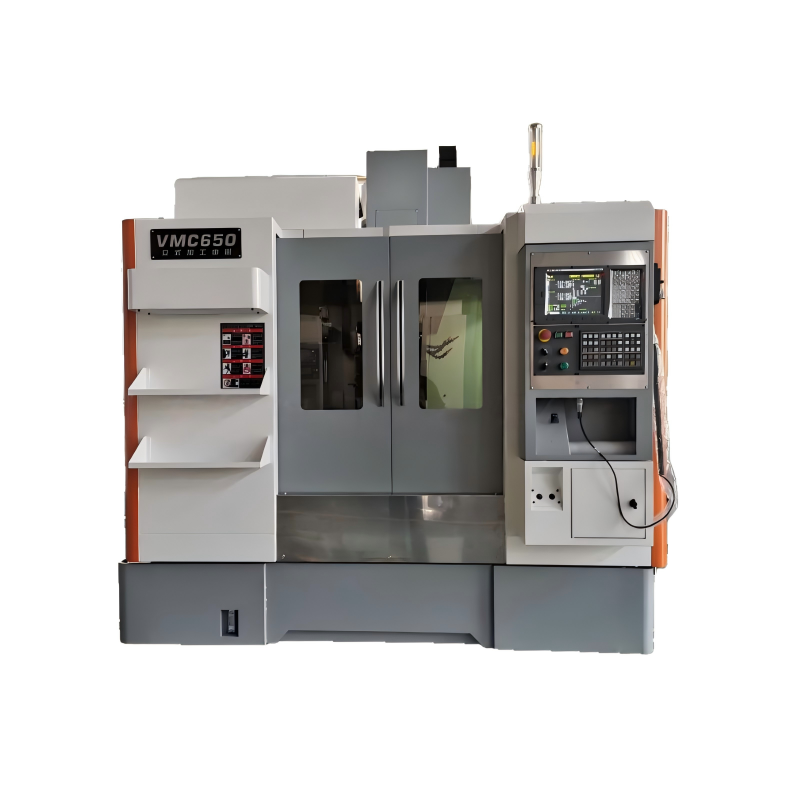
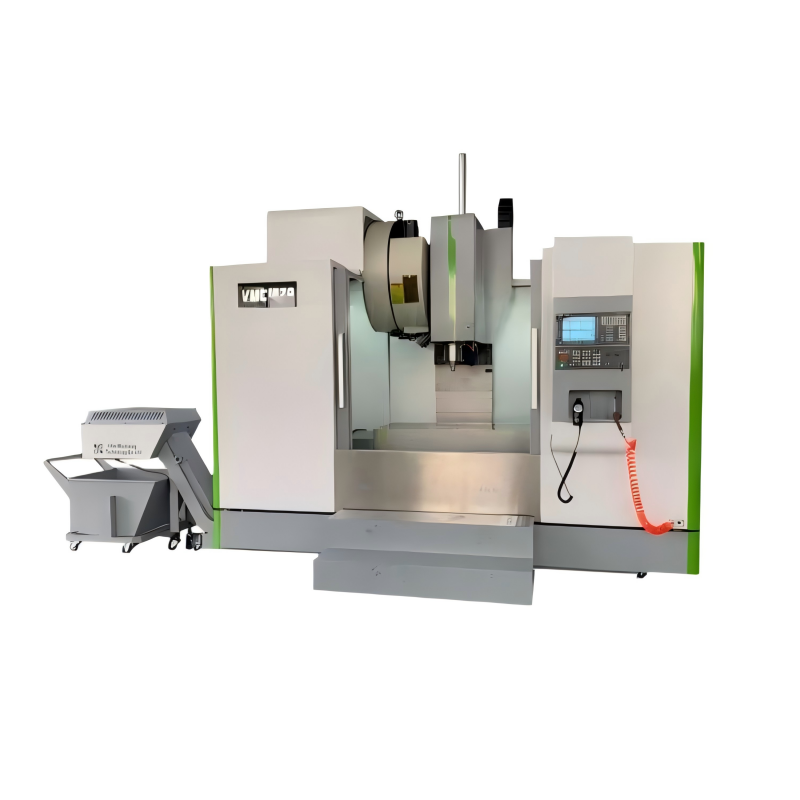
In today’s competitive manufacturing landscape, the adoption of advanced technology plays a crucial role in enhancing productivity and maintaining a competitive edge. A Vertical Machining Center Supplier can be instrumental in providing the machinery that enables manufacturers to achieve higher efficiency levels. This technical report delves into how a modern Vertical Machining Center (VMC) can maximize efficiency, focusing on key aspects such as automation, precision, and maintenance.
One of the most significant advancements in VMCs is the integration of automation. Modern vertical machining centers are equipped with sophisticated control systems that allow for automated tool changes, part loading, and unloading. These features not only reduce the need for manual intervention but also minimize downtime between operations. By automating these processes, manufacturers can significantly increase their throughput and reduce labor costs. Additionally, automated systems can operate 24/7, further enhancing overall production capacity.
Another aspect of automation is the use of software for programming and simulation. Advanced CAM (Computer-Aided Manufacturing) software allows for the creation of complex toolpaths and the simulation of the entire machining process. This ensures that the machine operates at optimal parameters, reducing the risk of errors and improving the quality of the final product. Furthermore, real-time monitoring and data analytics can provide valuable insights into machine performance, enabling continuous improvement and predictive maintenance.
Modern VMCs are designed to deliver exceptional precision, which is essential for producing high-quality parts. The accuracy of a vertical machining center is influenced by several factors, including the rigidity of the machine, the quality of the spindle, and the precision of the control system. High-end VMCs often feature rigid frames and high-precision spindles, ensuring minimal vibration and thermal expansion, which are common sources of inaccuracies.
Additionally, advanced control systems with feedback loops and servo motors provide precise control over the movement of the cutting tools. This level of precision is particularly important in industries where tight tolerances are required, such as aerospace, automotive, and medical device manufacturing. By achieving high precision, manufacturers can reduce scrap rates, improve product quality, and meet stringent industry standards.
Regular maintenance is critical for the long-term reliability and efficiency of a vertical machining center. Modern VMCs are designed with maintenance in mind, featuring easily accessible components and user-friendly interfaces for monitoring and diagnostics. Routine maintenance tasks, such as lubrication, cleaning, and inspection, can be performed quickly and efficiently, minimizing downtime.
Moreover, many VMCs are equipped with predictive maintenance capabilities. These systems use sensors and data analytics to monitor the health of the machine and predict potential failures before they occur. This proactive approach to maintenance can prevent unexpected breakdowns, extend the lifespan of the machine, and ensure consistent performance over time. By investing in regular maintenance and utilizing predictive maintenance technologies, manufacturers can maximize the uptime and productivity of their vertical machining centers.
The integration of vertical machining centers with Industry 4.0 technologies is another key factor in maximizing efficiency. Industry 4.0, or the fourth industrial revolution, emphasizes the use of smart, connected devices and data-driven decision-making. Modern VMCs can be integrated into a larger network of machines and systems, allowing for seamless communication and data exchange.
This connectivity enables real-time monitoring of machine performance, remote diagnostics, and centralized control. For example, a manufacturer can remotely access and control multiple VMCs from a single location, optimizing production schedules and resource allocation. Additionally, the data collected from these machines can be analyzed to identify trends, optimize processes, and make informed decisions. By embracing Industry 4.0, manufacturers can achieve higher levels of efficiency, flexibility, and responsiveness.
A modern vertical machining center is a powerful tool for maximizing efficiency in manufacturing. Through automation, precision, and effective maintenance, VMCs can significantly enhance productivity and product quality. Furthermore, the integration of Industry 4.0 technologies adds an additional layer of connectivity and data management, enabling manufacturers to stay ahead in a rapidly evolving industry. By partnering with a reliable Vertical Machining Center Supplier, manufacturers can ensure they have the right equipment and support to achieve their efficiency goals.
 26/06/2026
The vertical machining center (VMC) has long been a cornerstone of the manufacturing industry, offering unparalleled precision and efficiency in metalworking. As technology advances, so too does the design and functionality of these machines. This report
Read More26/06/2026Understanding the Importance of Vertical Machining Centers in Modern ManufacturingA vertical machining center (VMC) is a crucial piece of equipment in modern manufacturing, especially for industries that require high precision and versatility in their pro
Read More26/06/2026In today's competitive manufacturing landscape, the selection of a reliable Vertical Machining Center Supplier is crucial for maintaining productivity and quality. This report aims to guide businesses through the process of identifying and choosing the be
Read More25/06/2026In the realm of manufacturing, vertical machining centers (VMCs) have emerged as indispensable tools for precision and efficiency. This report delves into how advancements in technology are revolutionizing the performance of VMCs, with a focus on the role
Read More25/06/2026A vertical machining center is a critical piece of equipment in many manufacturing and engineering operations. These machines, provided by a reliable Vertical Machining Center Supplier, are designed to perform a wide range of tasks with precision and effi
Read More25/06/2026A vertical machining center (VMC) is a type of CNC machine that plays an essential role in modern manufacturing. This report explores the versatility and capabilities of high-end vertical machining centers, focusing on their applications, technological ad
Read More25/06/2026When it comes to selecting a high-quality Vertical Machining Center, the decision-making process can be quite complex. This is due to the wide array of features and specifications that these machines offer, which cater to different manufacturing needs. In
Read More24/06/2026Understanding the Importance of Supplier Reliability in Vertical Machining CentersIn the world of manufacturing, the reliability of a supplier is not just a preference but a necessity. When it comes to acquiring a vertical machining center, this principle
Read More24/06/2026The Evolution of Vertical Machining CentersVertical machining centers (VMCs) have come a long way since their inception, evolving from simple drilling machines to highly sophisticated and versatile tools capable of performing a wide range of operations. T
Read More24/06/2026In the modern manufacturing landscape, the vertical machining center has become an indispensable tool for a wide range of industries. These machines offer unparalleled precision, versatility, and efficiency, making them a preferred choice for many manufac
Read More24/06/2026In the modern manufacturing landscape, vertical machining centers (VMCs) have become indispensable for producing complex and high-precision components. The selection of a trusted Vertical Machining Center Supplier is crucial for ensuring not only the qual
Read More23/06/2026Vertical machining centers are pivotal in the manufacturing industry, offering precision and efficiency that can significantly boost productivity. As a vertical machining center supplier, it is essential to understand how to maximize the potential of thes
Read More23/06/2026Understanding the Importance of Reliability in a Vertical Machining Center SupplierThe foundation of any successful manufacturing operation lies in the reliability of its machinery and the partners that supply it. A Vertical Machining Center (VMC) is no e
Read More23/06/2026When it comes to selecting the right vertical machining center for your manufacturing needs, a comprehensive understanding of the machine's capabilities, along with the support and expertise of a reliable vertical machining center supplier, is crucial. Th
Read More23/06/2026When it comes to selecting the right vertical machining center for your specific needs, a thorough understanding of the available options and their capabilities is crucial. This decision can significantly impact the efficiency, productivity, and quality o
Read MoreOur professional sales team is always ready to assist you.