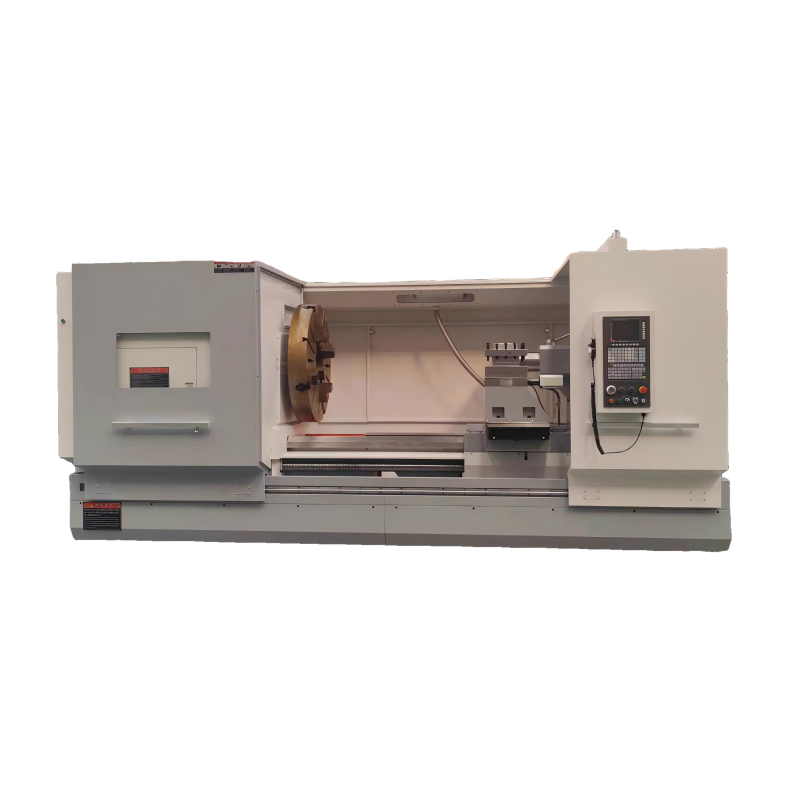
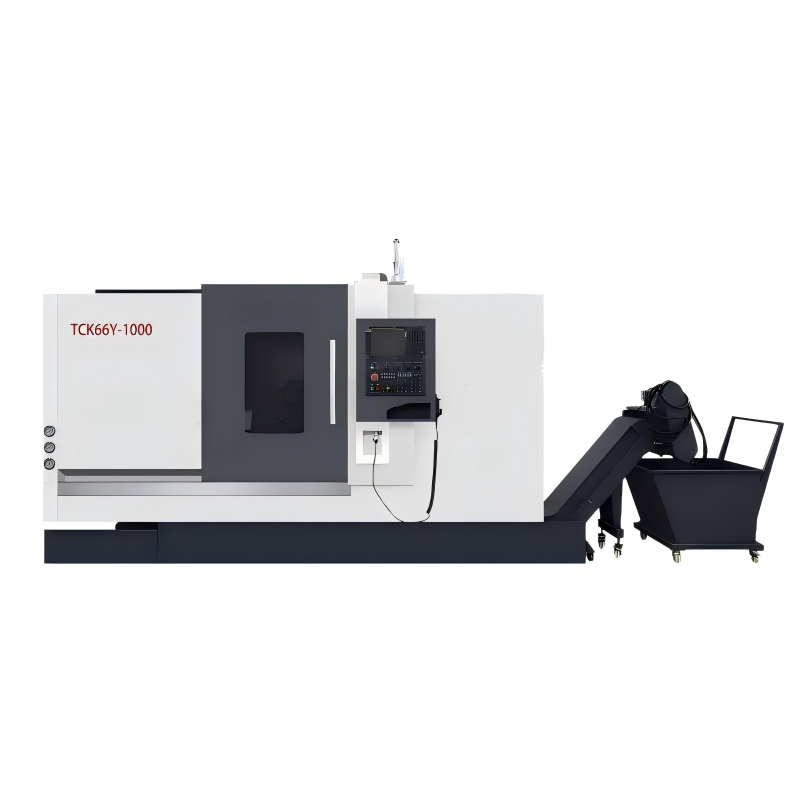
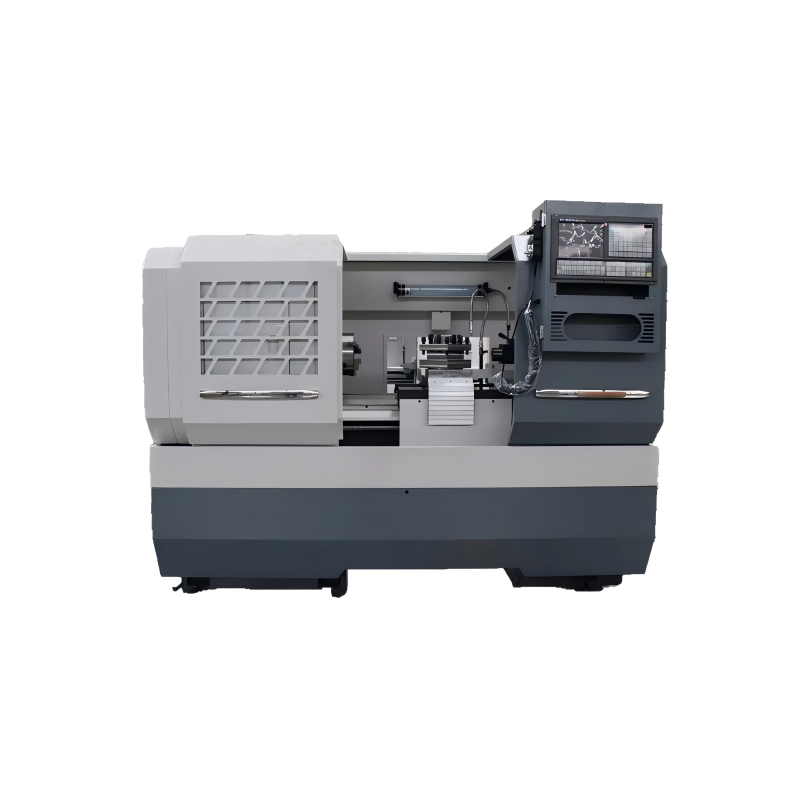
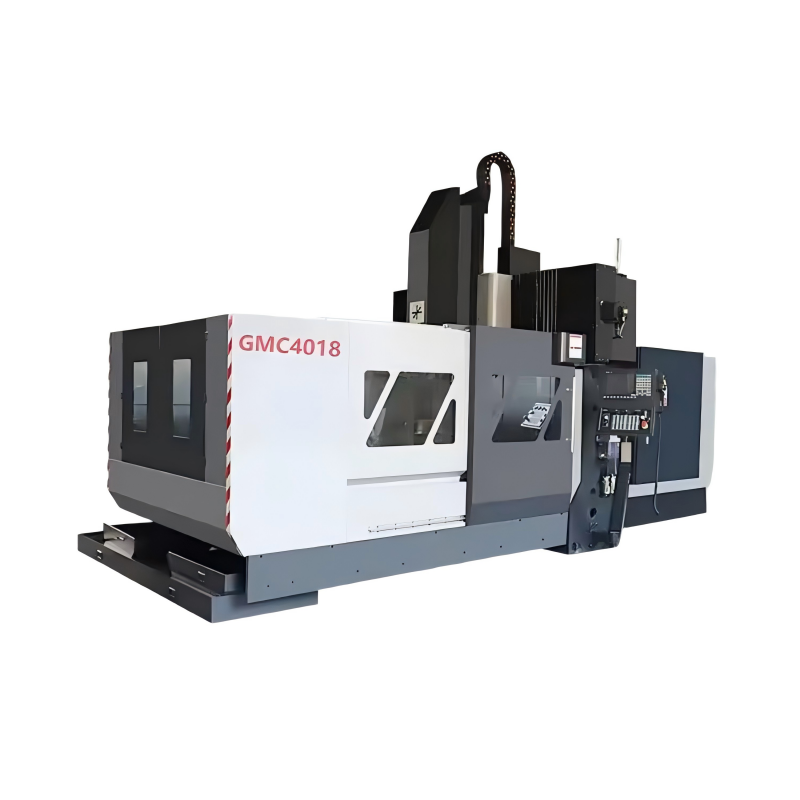
In the realm of manufacturing and machining, the choice of a conventional lathe supplier is a decision that can significantly impact the quality, efficiency, and cost-effectiveness of production processes. This report aims to highlight the importance of quality in selecting a conventional lathe supplier, providing insights into key considerations that should guide this critical decision.
Quality is not just a buzzword; it is a fundamental aspect that determines the longevity, reliability, and precision of a conventional lathe. A high-quality lathe ensures consistent performance, which is essential for maintaining productivity and meeting stringent industry standards. When evaluating a conventional lathe supplier, it is crucial to assess the quality of the materials used, the precision of the manufacturing process, and the overall design of the lathe. Suppliers who prioritize quality often have rigorous testing and inspection procedures in place, ensuring that each machine meets or exceeds industry benchmarks.
Moreover, a high-quality lathe reduces the likelihood of downtime and maintenance costs. Durable components and robust construction mean that the lathe can withstand the rigors of continuous operation without frequent breakdowns. This reliability translates into higher productivity and lower operational costs over the long term.
When selecting a conventional lathe supplier, it is essential to consider the supplier's reputation and the level of customer support they provide. A reputable conventional lathe supplier will have a track record of delivering high-quality products and excellent service. This can be assessed through customer reviews, case studies, and industry certifications. Additionally, a supplier with a strong reputation is more likely to stand behind their products, offering warranties and after-sales support that can be invaluable in the event of any issues.
Customer support is another critical factor. A reliable conventional lathe supplier should offer comprehensive support, including technical assistance, training, and timely repairs. This support can help ensure that the lathe operates at peak performance and that any issues are resolved quickly, minimizing downtime and maximizing productivity.
Technological advancements play a significant role in the selection of a conventional lathe supplier. Modern lathes incorporate advanced features such as CNC (Computer Numerical Control) capabilities, which enhance precision and efficiency. These features allow for greater control over the machining process, enabling the production of complex and intricate parts with high accuracy.
When choosing a conventional lathe supplier, it is important to consider whether the supplier offers lathes with the latest technological advancements. Suppliers who invest in research and development are more likely to provide machines that meet the evolving needs of the industry. Additionally, suppliers who offer customization options can tailor the lathe to specific requirements, further enhancing its performance and suitability for particular applications.
While the initial cost of a conventional lathe is an important consideration, it is equally important to evaluate the long-term value and total cost of ownership. A high-quality lathe may have a higher upfront cost, but it can provide significant savings in the long run. Factors such as energy efficiency, maintenance requirements, and the lifespan of the machine all contribute to the overall cost-effectiveness.
A conventional lathe supplier who emphasizes quality and durability will often provide machines that require less frequent maintenance and have a longer operational life. This reduces the need for costly repairs and replacements, ultimately leading to lower total costs over the machine's lifetime. Additionally, energy-efficient lathes can result in significant savings on utility bills, further enhancing their long-term value.
Choosing the right conventional lathe supplier is a multifaceted decision that requires careful consideration of various factors. The importance of quality cannot be overstated, as it directly impacts the performance, reliability, and cost-effectiveness of the lathe. By evaluating the supplier's reputation, customer support, technological offerings, and long-term value, manufacturers can make an informed decision that aligns with their operational needs and budget constraints. Ultimately, investing in a high-quality conventional lathe from a reputable supplier is a strategic move that can drive productivity and success in the competitive manufacturing landscape.
 24/06/2026
When it comes to selecting a Conventional Lathe Supplier, the decision can significantly impact the efficiency, quality, and cost-effectiveness of your manufacturing processes. A conventional lathe is a versatile machine tool used for shaping metal, wood,
Read More24/06/2026In the world of manufacturing, the selection of a conventional lathe supplier is not just about finding a vendor but also about ensuring that the quality of the machines and the service provided meets or exceeds expectations. This report aims to explore w
Read More24/06/2026In the world of manufacturing, precision and reliability are paramount. One of the key tools that enable this is the conventional lathe, a machine that has been a staple in the industry for decades. Partnering with an experienced Conventional Lathe Suppli
Read More23/06/2026In the world of machining, finding the right conventional lathe supplier is crucial for ensuring that your operations run smoothly and efficiently. A conventional lathe is a fundamental tool in many manufacturing processes, and selecting the appropriate s
Read More23/06/2026Choosing the right conventional lathe supplier is a critical decision for any manufacturing or engineering company. The quality of lathes, as well as the support and service provided by the supplier, can significantly impact your production efficiency and
Read More23/06/2026In the rapidly evolving world of manufacturing, choosing a reliable conventional lathe supplier is more critical than ever. A conventional lathe is a fundamental tool in many industries, from automotive to aerospace, and its quality directly impacts the e
Read More23/06/2026Understanding the Importance of Conventional Lathes in Modern Workshops The conventional lathe, a machine that has been around for centuries, continues to play a vital role in modern workshops. Its ability to perform a wide range of operations, from turni
Read MoreOur professional sales team is always ready to assist you.