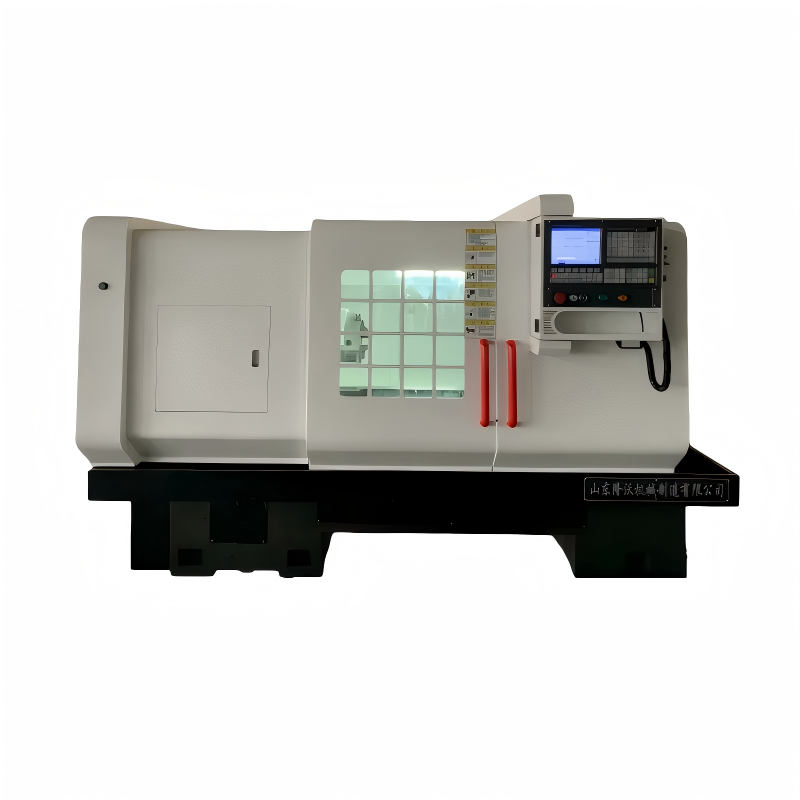
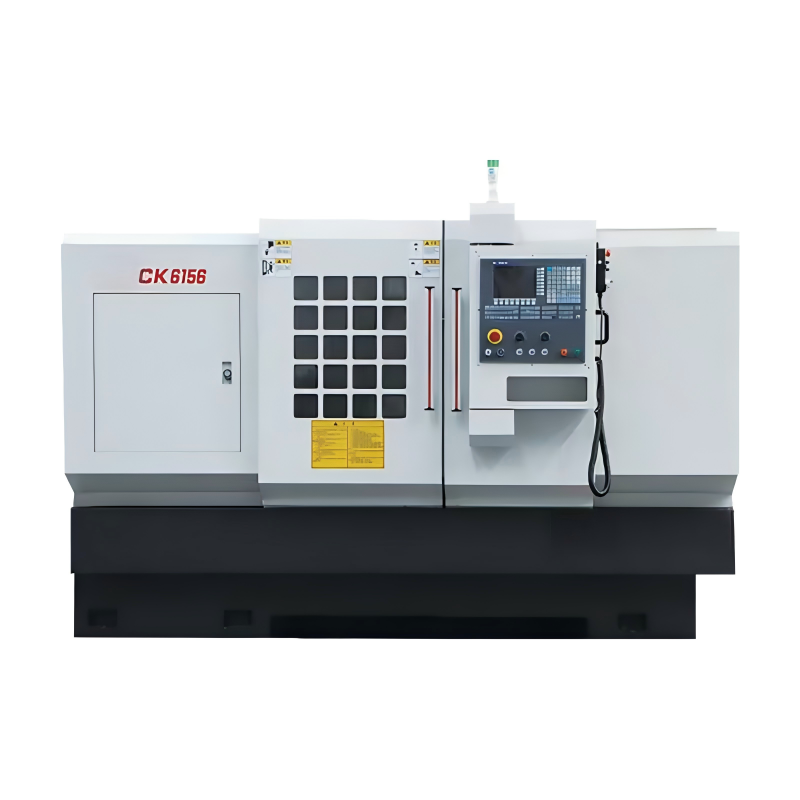
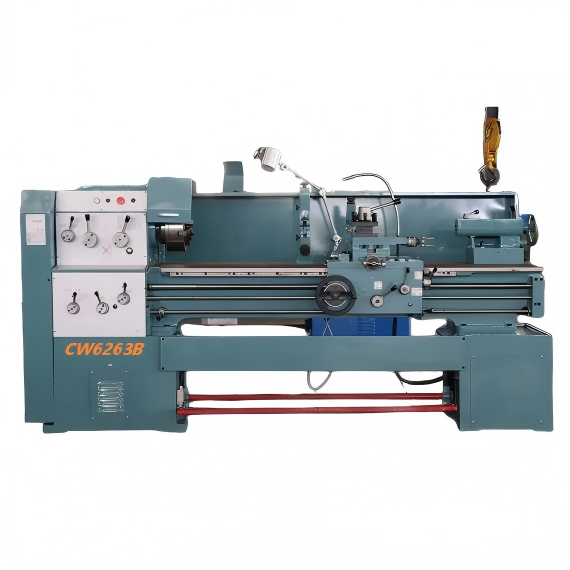
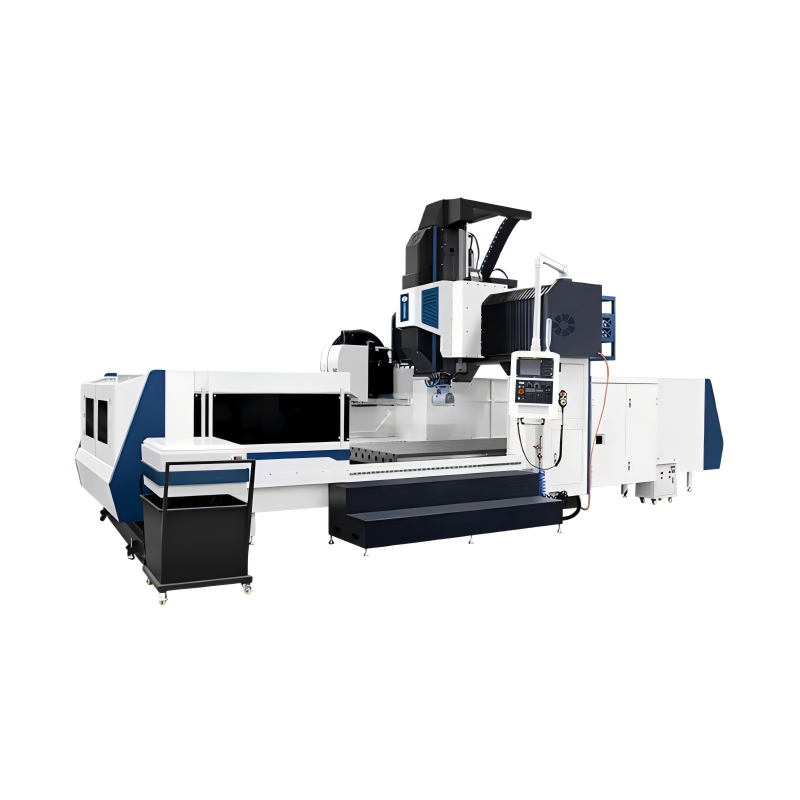
In the world of manufacturing, the selection of a conventional lathe supplier is not just about finding a vendor but also about ensuring that the quality of the machines and the service provided meets or exceeds expectations. This report aims to explore why quality matters when selecting a conventional lathe supplier, focusing on key aspects such as machine reliability, after-sales support, and long-term cost-effectiveness.
Reliability in a conventional lathe is paramount for maintaining consistent production output. A high-quality conventional lathe from a reputable supplier ensures that downtime due to mechanical failures is minimized. Such lathes are designed with robust materials and precise engineering, which significantly reduces the likelihood of unexpected breakdowns. Furthermore, reliable machines can handle a wide range of materials and complex machining tasks, making them versatile additions to any workshop or factory floor. Investing in a dependable conventional lathe supplier means investing in machinery that can withstand the rigors of daily use, thereby supporting the overall productivity and efficiency of the operation.
The importance of after-sales support cannot be overstated when it comes to choosing a conventional lathe supplier. High-quality suppliers offer comprehensive support services, including maintenance, repair, and training. These services are crucial for keeping the lathe in optimal condition and ensuring that operators are well-versed in its operation. Regular maintenance by trained professionals helps in identifying and addressing potential issues before they escalate into major problems, thus extending the lifespan of the machine. Additionally, timely and effective customer support can minimize downtime and ensure that the lathe remains a valuable asset over the long term.
While the initial cost of a conventional lathe is an important consideration, it is equally important to evaluate the long-term cost-effectiveness of the investment. High-quality lathes, although they may come at a higher upfront cost, often prove to be more economical in the long run. This is because they require less frequent repairs, have a longer operational life, and generally offer better performance. Lower maintenance and repair costs, combined with increased productivity, can result in significant savings over time. Moreover, a reliable conventional lathe can help in reducing scrap rates and improving the overall quality of the products, further enhancing the return on investment.
Choosing the right conventional lathe supplier involves more than just comparing prices; it requires a thorough evaluation of the supplier's reputation, the quality of their machines, and the level of support they provide. By prioritizing these factors, manufacturers can ensure that they are investing in a machine that will not only meet their current needs but also support their long-term goals. In conclusion, the quality of the conventional lathe supplier plays a critical role in determining the success and sustainability of any manufacturing operation.
 24/06/2026
In the realm of manufacturing and machining, the choice of a conventional lathe supplier is a decision that can significantly impact the quality, efficiency, and cost-effectiveness of production processes. This report aims to highlight the importance of q
Read More24/06/2026When it comes to selecting a Conventional Lathe Supplier, the decision can significantly impact the efficiency, quality, and cost-effectiveness of your manufacturing processes. A conventional lathe is a versatile machine tool used for shaping metal, wood,
Read More24/06/2026In the world of manufacturing, precision and reliability are paramount. One of the key tools that enable this is the conventional lathe, a machine that has been a staple in the industry for decades. Partnering with an experienced Conventional Lathe Suppli
Read More23/06/2026In the world of machining, finding the right conventional lathe supplier is crucial for ensuring that your operations run smoothly and efficiently. A conventional lathe is a fundamental tool in many manufacturing processes, and selecting the appropriate s
Read More23/06/2026Choosing the right conventional lathe supplier is a critical decision for any manufacturing or engineering company. The quality of lathes, as well as the support and service provided by the supplier, can significantly impact your production efficiency and
Read More23/06/2026In the rapidly evolving world of manufacturing, choosing a reliable conventional lathe supplier is more critical than ever. A conventional lathe is a fundamental tool in many industries, from automotive to aerospace, and its quality directly impacts the e
Read More23/06/2026Understanding the Importance of Conventional Lathes in Modern Workshops The conventional lathe, a machine that has been around for centuries, continues to play a vital role in modern workshops. Its ability to perform a wide range of operations, from turni
Read MoreOur professional sales team is always ready to assist you.